Feature
The Silent Grammar of Commerce: How Materials, Light & Detail Speak Volumes
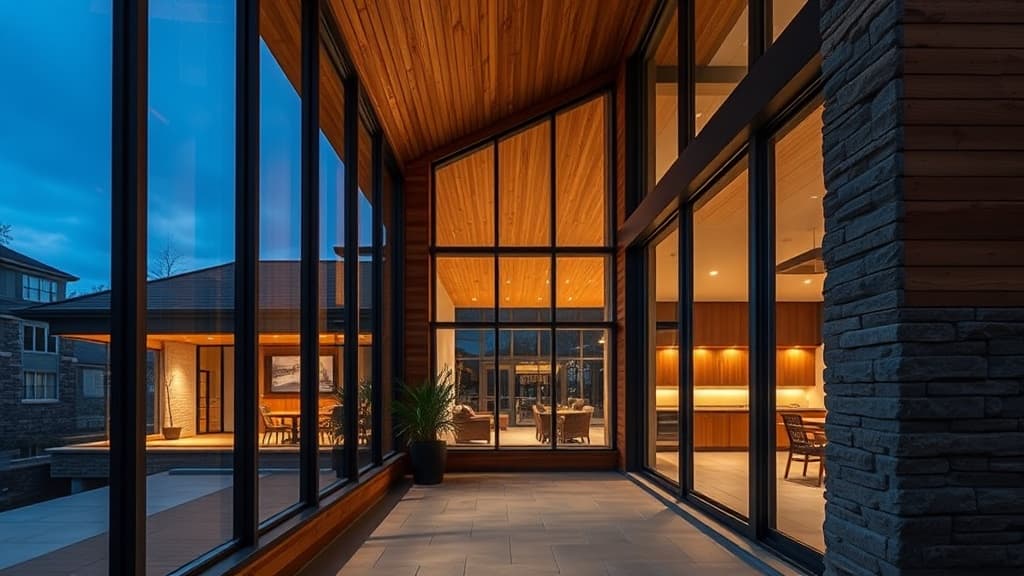
The commercial realm is often viewed through the lens of function and footfall, a pragmatic theatre for economic exchange. Yet, beneath the surface of spreadsheets and spatial plans lies a subtler, more potent language. It is a grammar constructed not of words, but of substances, illumination, and precision—the silent vocabulary of materials, light, and detail. These are the fundamental elements that shape perception, curate experience, and ultimately, define the unspoken narrative of a brand within its built environment.
A material is never merely a surface; it is a messenger. In a high-end boutique, the cool, tactile certainty of honed marble conveys permanence and luxury far more effectively than any slogan. Conversely, the warm, honest grain of reclaimed timber in a café speaks of authenticity and craft, inviting patrons to linger. The choice is a direct signal of intent. This dialogue deepens with light, the most transformative tool in the architect's kit. It is no longer just about visibility, but about revelation and rhythm. Strategic washes of light can sculpt a cavernous lobby into intimate zones, while meticulously placed apertures can trace the sun’s path across a restaurant floor, marking the passage of time and creating a dynamic, living space. Light choreographs movement and mood, guiding the visitor’s eye and heart.
Yet, the true poetry often resides in the prosaic—the detail. This is the domain of the joint, the junction, the transition. It is the reveal between a wall and ceiling that creates a sense of floating planes, or the crafted handrail whose profile fits perfectly in the palm. In commercial architecture, where budgets are scrutinized, such details are not superfluous ornaments; they are the definitive proof of care. They communicate a respect for the user’s experience, a commitment to quality that is felt subconsciously. A space that resolves its complexities with elegant, simple details feels trustworthy and resolved, fostering a sense of well-being that directly impacts commercial engagement.
Ultimately, the most successful commercial spaces understand that they are engaged in a continuous, non-verbal conversation. By mastering the silent grammar of material honesty, luminous narrative, and meticulous detailing, architects compose spaces that don’t just house commerce, but actively advocate for it. For a deeper exploration of how built forms shape our world, [see more Architecture stories](/architecture/commercial).
Read Also
Feature
Beyond the Blueprint: How Narrative Fuels the Future of Commercial Spaces
The most compelling commercial architecture doesn't just house business; it tells its story, weaving brand identity and community aspiration into built form. We look at the inspirations and real-world examples shaping this narrative-driven approach.
Guide
Learning from Lobbies: What Your Home Can Borrow from Corporate Spaces
The smart logic behind offices, hotels, and shops offers surprising lessons for creating more functional, welcoming, and valuable private homes.
Feature
The Currency of Space: How Commercial Architecture Exchanges Design for Experience
Beyond mere function, contemporary commercial architecture operates as a sophisticated currency, exchanging spatial design for customer loyalty and brand value.