Interior Design Trends 2027: 8 Practical Directions
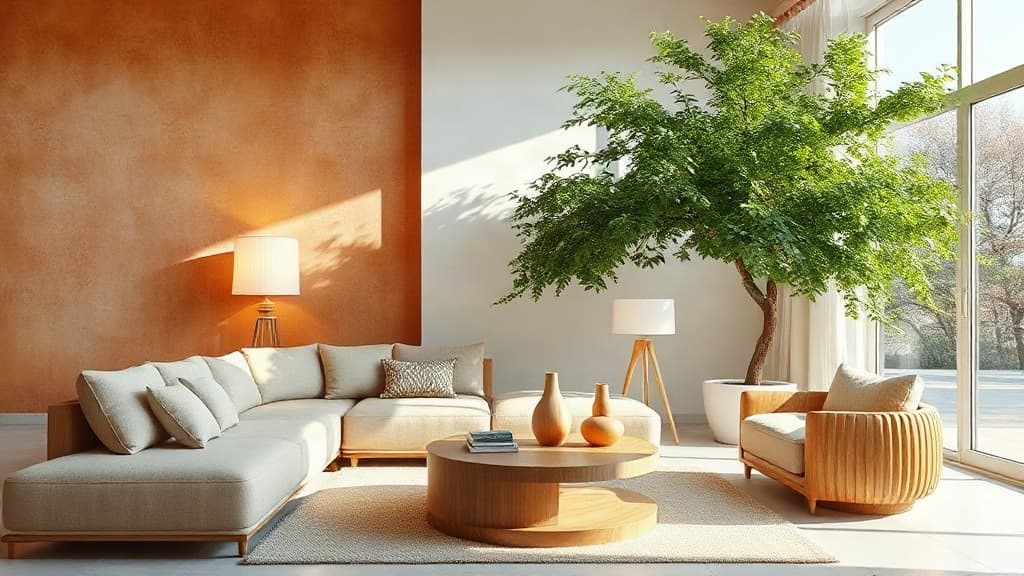
Interior design trends for 2027 are moving toward comfortable, durable, and personalized spaces. These trends focus on materials that feel good to touch, flexible layouts, and colors that create a calm atmosphere.
1. Focus on Tactile Materials
Expect to see more surfaces you want to touch. This means using materials like brushed linen for upholstery, ribbed or fluted glass in room dividers, and textured plaster on walls. The goal is to add visual interest and a sensory experience without overwhelming the space. Avoid overusing textures in one room; pair a textured wall with smooth furniture to create balance. A common mistake is using a rough, abrasive texture in high-contact areas like a dining chair seat, which is uncomfortable for daily use.
A good rule of thumb is to combine no more than three distinct textures in a single room. For example, a living room could feature a nubby wool rug, a smooth leather sofa, and a linen curtain. When using textured paint or plaster, test a large sample panel (at least 60cm x 60cm or 24in x 24in) on the wall to see how the light changes its appearance throughout the day. This prevents the final result from looking uneven or patchy.
2. Biophilic Design Goes Practical
Biophilic design in 2027 means more than just adding houseplants. It involves specific design choices that connect you to nature in a low-maintenance way. This includes using real wood veneers on cabinetry, specifying large-format porcelain tiles that mimic limestone or slate, and ensuring windows offer clear views of greenery outside. The focus is on creating a restful environment that reduces stress through natural patterns and materials.
Incorporate natural light as a primary element by using sheer, linen-textured roller blinds instead of heavy drapes. For artificial lighting, choose fixtures with a warm color temperature (2700K to 3000K) to mimic sunset light. A practical upgrade is to replace a standard interior door with one featuring a full-height panel of reeded or frosted glass. This allows light to filter between rooms while maintaining privacy, enhancing the feeling of a naturally lit home.
3. Bold, Saturated Color Accents
The neutral base palette remains strong, but 2027 trends introduce bold color in specific, contained ways. Think of a single wall painted in a deep, saturated hue like ochre, terracotta, or a rich teal. Color is also applied to millwork, such as painting the interior of a bookshelf or the panels of a kitchen island. This approach is more manageable than committing to an entirely colorful room and allows for easier updates later.
When using a bold color, paint the ceiling and trim in the same neutral white or beige as the other walls to frame the accent. For a cohesive look, pull the accent color into the room through two or three smaller items, like cushion covers or a ceramic vase. A typical error is choosing an accent wall that has no architectural reason to be highlighted, such as a tiny wall behind a door. Instead, paint the wall you face when entering the room or the wall behind a bed or sofa.
4. Furniture Designed for Flexibility
Furniture is evolving to suit changing needs, especially in living and work areas. Look for modular sofas with sections that can be rearranged, nesting tables that tuck away, and desks with adjustable heights. Ottomans with storage inside are a staple. The key is selecting pieces that serve multiple functions without looking cluttered or overly utilitarian.
Consider clearances: a modular sofa piece should be light enough for one person to move, typically under 30kg (66lbs). A good home office chair should have seat height adjustment from 40cm to 52cm (16in to 20.5in) to accommodate different users. Avoid buying a massive, fixed-sectional sofa if your room layout might change. Instead, choose a three-seater sofa with a separate chaise longue that can be placed on either side.
5. Integrated and Discreet Technology
Technology in 2027 interiors is becoming invisible. This means speakers are built into ceilings or walls, charging pads are integrated into nightstand surfaces, and TVs are mounted flush or disguised behind sliding panels. The aim is to reduce visual clutter from wires, black screens, and bulky devices, creating a more serene and intentional space.
Plan for this during renovations by running conduit (empty pipes) inside walls from media centers to potential TV locations, even if you don't install the TV immediately. For built-in charging, specify a USB-C outlet with a clean faceplate near seating areas. A common oversight is placing a wall-mounted TV too high, causing neck strain. The center of the screen should be at seated eye level, roughly 105cm to 120cm (41in to 47in) from the floor, depending on your sofa height.
6. Curved Lines and Soft Shapes
The sharp, industrial look is softening. You will see more curves in furniture silhouettes, arched doorways, and rounded edges on kitchen islands and tables. This trend includes sofas with rounded backs, circular mirrors, and lighting fixtures with organic, bulbous shapes. These forms feel more inviting and gentle, contributing to the overall comfort-focused direction.
When introducing curves, balance them with straight lines. A round dining table pairs well with linear, square-backed chairs. An arched niche in a wall looks deliberate when framed by standard, rectangular doorways elsewhere. For a simple update, replace a rectangular coffee table with an oval one, ensuring there is still 45cm to 60cm (18in to 24in) of walking space between it and the sofa.
7. The Return of Warm Wood Tones
Cool gray woods are being replaced by warmer, medium-toned woods like oak, walnut, and cherry. These woods are used for flooring, furniture legs, and open shelving. The warmth makes a space feel instantly more welcoming and grounded. The finish is often matte or lightly oiled, which highlights the natural grain and is easier to maintain than high-gloss varnish.
If you have existing cool-toned floors, you can introduce warmth through a large area rug with red or gold undertones and solid wood furniture. For new wood floors, consider a plank width of 15cm to 20cm (6in to 8in) for a modern yet classic look. A frequent mistake is mixing too many wood types with different undertones. Stick to two, at most: one for the floor and one for the furniture, ensuring their undertones (red, yellow, or orange) are complementary.
8. Personalized Maximalism in Defined Zones
While minimalism persists, a more personalized 'maximalism' is emerging in specific zones. This isn't clutter; it's about creating a highly curated display, like a wall of framed artwork in matching black frames or a collection of pottery on open shelves. The trend allows individual expression but within a controlled framework, such as using a single color palette or material type to maintain order.
Create a gallery wall by laying all the frames on the floor first to arrange the composition. Keep consistent spacing between frames, about 5cm to 8cm (2in to 3in). For collections, group items in odd numbers (three or five) and vary their heights. The error here is scattering small decor items everywhere. Instead, consolidate them into one or two meaningful vignettes on a console table or bookshelf. For more focused inspiration on evolving styles, explore our archive for more Design & Color Trends ideas.
Key Takeaways
The 2027 trends prioritize comfort and personalization through texture, flexible furniture, and warm materials. Bold color is used strategically in accents, not entire rooms. Technology integrates discreetly to reduce visual noise. The overall direction is toward homes that feel durable, calming, and uniquely tailored to how you live.
Looking for more? Browse more Design & Color Trends ideas.
Frequently Asked Questions
What is the biggest interior design trend for 2027?
The biggest trend is a focus on tactile materials and sensory comfort. This means using fabrics like linen and bouclé, textured walls, and warm wood tones to create spaces that feel inviting and grounded, moving away from cold, purely minimalist aesthetics.
Are bold colors in style for 2027?
Yes, but in a controlled way. Bold, saturated colors like ochre or teal are used for accent walls, painted millwork, or furniture. The base palette remains neutral, allowing these colors to make a strong statement without overwhelming a room.
What kind of furniture is trending for 2027?
Furniture designed for flexibility is key. Look for modular sofas, nesting tables, and multi-functional pieces like storage ottomans. The trend supports adaptable living spaces that can easily change for different activities or future needs.
How is technology incorporated into 2027 design trends?
Technology is becoming discreet and integrated. Trends include built-in speakers, wireless charging within furniture surfaces, and TVs that hide when not in use. The goal is to reduce visible clutter and wires for a cleaner, calmer space.
Read Also
The Palette in Practice: How Global Trends Translate into Local Spaces
Weekly color and design trends move from digital inspiration boards into real-world interiors. We explore how global movements are being adapted in homes from Beirut to Dubai.
Weekly Design & Color Trends: Practical Tips for Homeowners
Our weekly trend report is your cheat sheet for effortlessly weaving the latest colors and design movements into your home, with actionable steps to make your spaces feel fresh.
The Tactile Thread: How Material, Light, and Detail Weave Weekly Trends
This week's trends move beyond surface color, exploring how the interplay of texture, illumination, and crafted detail defines contemporary elegance.