Feature
The Great Curated: How Distinctive Elements Forge Spatial Character
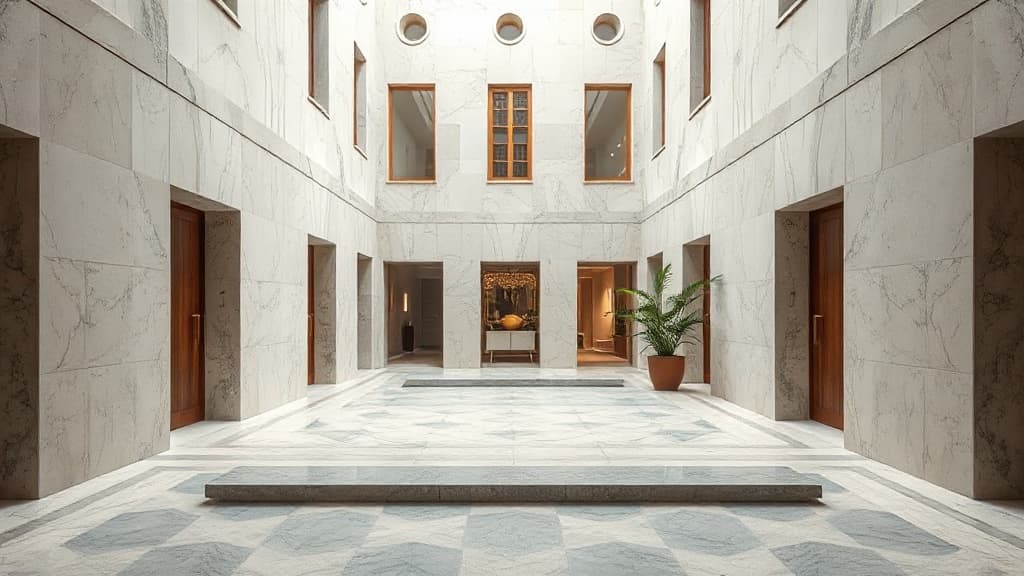
In the lexicon of interior design, 'atmosphere' is the final, elusive word. It is not a specification on a plan but the cumulative effect of decisions made. It emerges from the precise interplay of light, the tactile story of materials, and the invisible choreography of a layout. Today, we look beyond theoretical principles to spaces where this alchemy has been performed with intent, proving that the most memorable rooms are not simply decorated, but deeply curated.
The first act in this curation is light as a sculptor. Consider the Beirut apartment where the architect eschewed overhead fixtures in favor of a perimeter of recessed linear LEDs, their light grazing a textural plaster wall. This grazing light doesn't just illuminate; it dramatizes. It transforms a flat surface into a terrain of shadows and highlights, making texture the protagonist. Similarly, a Dubai villa's main living area uses a custom, perforated metal screen not merely as a room divider but as a luminous veil. As the evening sun filters through, it casts intricate, moving patterns across a terrazzo floor—light becomes both ornament and narrative, changing with the hour.
These luminous effects demand a material counterpart that can receive and reflect their story. The conversation between light and material is intimate. In a Riyadh residence, cool, polished basalt flooring grounds a space, while its reflective surface subtly doubles the warm glow from handmade ceramic sconces. The contrast in temperature—both visual and tactile—creates a dynamic equilibrium. Upstairs, a private library is lined in richly stained, fluted timber. Directional spotlights capture the rhythmic grain and depth of the fluting, making the walls appear to breathe. Here, materiality isn't just selected for beauty alone but for its performance under light, becoming an active participant in shaping mood.
Ultimately, the layout provides the stage for this dialogue. An open-plan home in Amman uses a low, curved sofa not as a barrier but as a gentle suggestion of flow, guiding movement around a central, monolithic stone coffee table. The layout encourages circulation while defining intimate conversation pits without walls. This mindful arrangement ensures that both the play of light across materials and the ease of human interaction are prioritized. It demonstrates that a successful layout is one that feels intuitively right, supporting the life within while showcasing the curated elements.
In the end, crafting spatial character is an exercise in harmony. It asks the designer to think of light as a paintbrush, materials as the canvas, and layout as the frame. For those inspired to delve deeper into the art of interior composition, [see more Interiors stories](/interiors/lighting-materials) exploring these fundamental tools.
Read Also
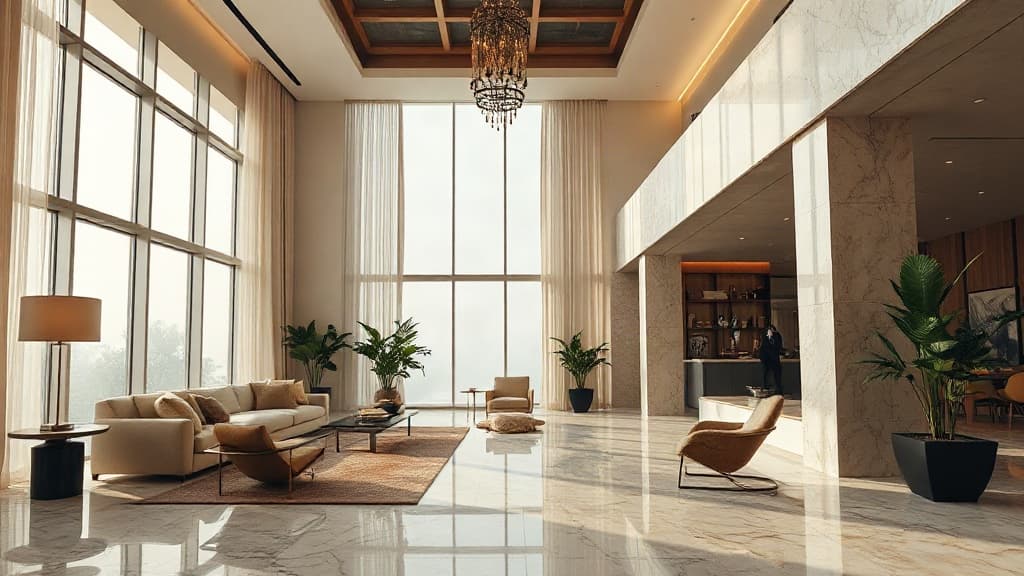
Feature
Beyond the Sofa: Living & Reception Spaces That Tell a Story
Moving beyond mere aesthetics, we explore how the world's most captivating living rooms anchor themselves in personal narrative and architectural honesty, offering true inspiration for your own space.
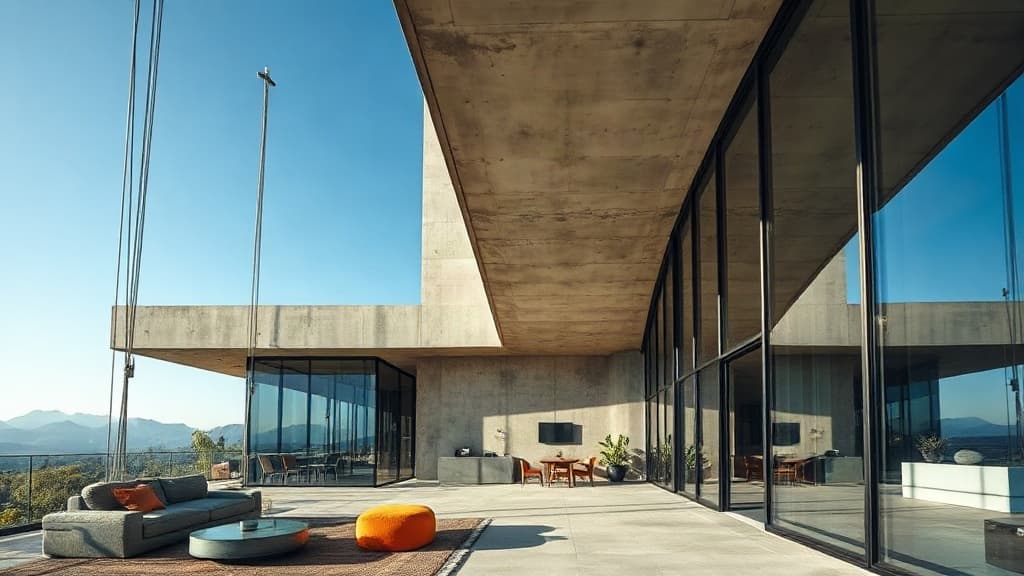
Guide
The Living Room Reimagined: Practical Wisdom for the Heart of Your Home
Your living and reception areas are more than just rooms; they are stages for life. Our practical guide helps homeowners craft spaces that are as functional as they are beautiful.
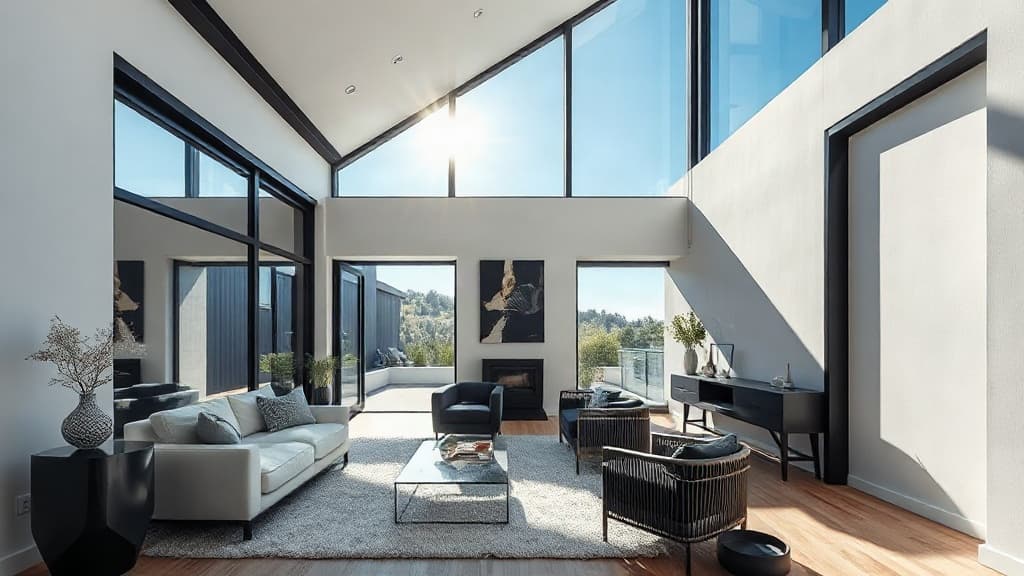
Design
The Unspoken Dialogue: How Material, Light, and Detail Shape Living Space
Beyond furniture, the true character of a living space is composed in the quiet interplay of substance, illumination, and crafted detail.