The Kitchen Unfolded: How Materials, Light & Detail Forge the Modern Culinary Stage
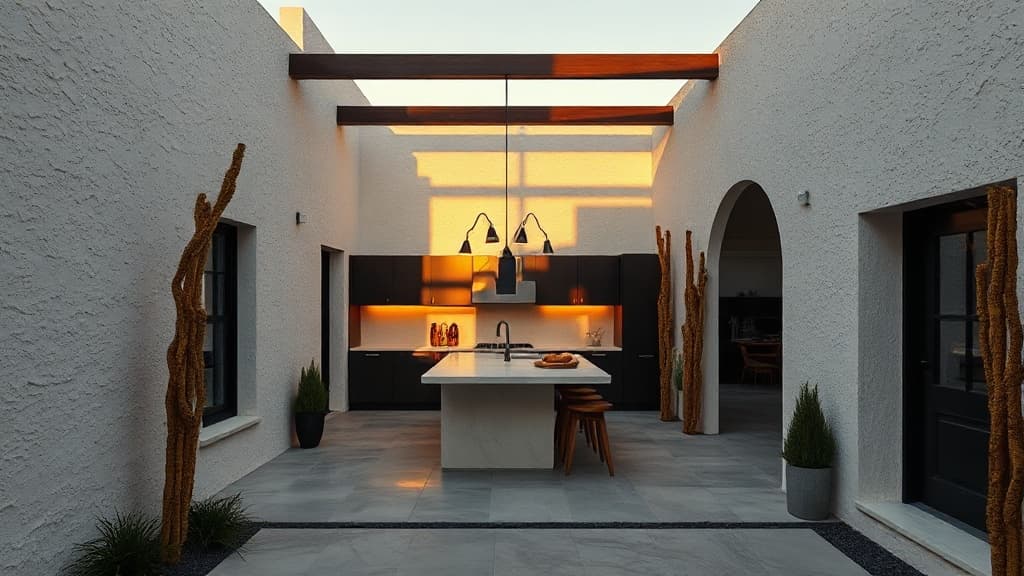
The kitchen has long transcended its purely functional roots to become the emotional and social fulcrum of the modern home. In contemporary design, its narrative is no longer written solely by appliances and layout, but is profoundly authored by the deliberate choreography of three essential elements: materials, light, and detail. This triad moves the space from a sterile workstation to a rich, sensory environment where cooking, gathering, and living seamlessly intertwine. It is here, in the careful selection of surfaces, the shaping of illumination, and the precision of joints and finishes, that the kitchen's true character is revealed.
The material palette of the modern kitchen speaks a sophisticated language of contrast and authenticity. Gone are the days of monolithic, uniform finishes. Today's kitchens celebrate a tactile dialogue between elements: the warmth of rift-sawn oak against the cool, monolithic pour of a terrazzo island; the soft, matte texture of micro-cement walls juxtaposed with the hard, reflective gleam of fluted glass cabinets. This is not mere decoration but a layered composition. Materials are chosen not only for durability but for their inherent story and sensory appeal—the way light catches the grain of a timber veneer or diffuses through a slab of translucent onyx. The countertop becomes a landscape, the cabinet front a textured canvas, each material contributing to a holistic, grounded atmosphere.
Light follows this material narrative, transforming from a simple utility into an active design protagonist. Layered lighting schemes sculpt the space, defining zones and moods. Strategic under-cabinet LEDs wash a backsplash in a soft glow, highlighting its texture, while discreet linear fixtures recessed into ceiling coves provide an ambient, shadow-free luminance for general tasks. The true magic, however, lies in the punctuation of detail lighting: a slender, adjustable spotlight that grazes the edge of a stone island, carving its form from the darkness, or an integrated LED strip that outlines a floating shelf, making it appear to hover. Light is used to frame, to accentuate, and to create rhythm, guiding the eye through the composition of materials and forms.
Ultimately, the soul of these kitchens resides in the details—the silent grammar that binds the grand gestures. It is the impossibly thin reveal between cabinet doors, the precision-mitered corner of a stone countertop that appears seamless, the custom-designed brass pull that fits perfectly in the hand. These are the moments of quiet craftsmanship that signal intentionality and care. They are the subtle transitions where two materials meet, handled not as a problem to be hidden, but as an opportunity for a refined joint. It is through this meticulous attention to the minute that a sense of timeless quality and bespoke luxury is achieved, inviting one not just to cook, but to dwell and appreciate. For further inspiration on crafting these culinary spaces, see more Kitchens stories.
Read Also
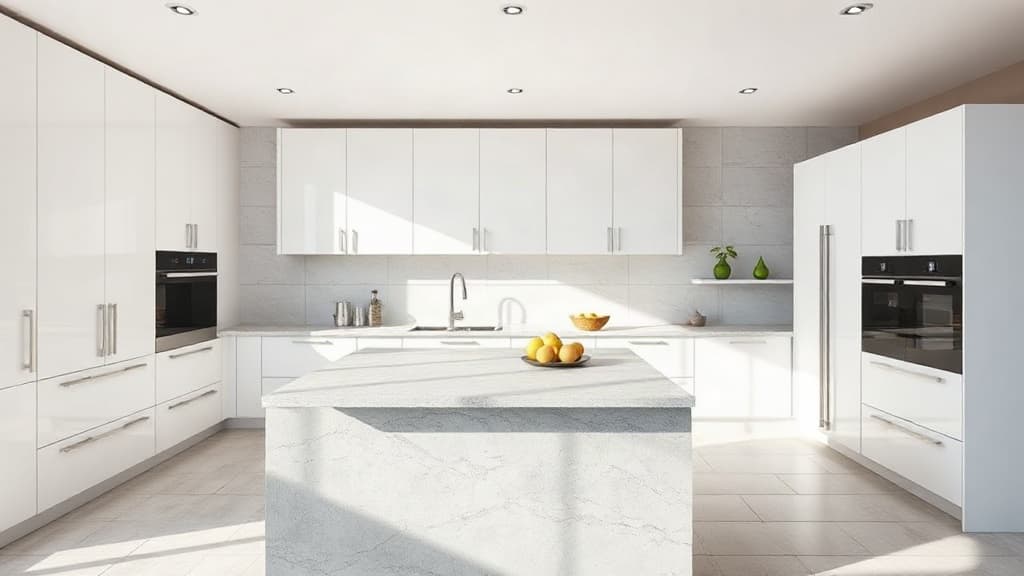
Modern Kitchen Ideas for a Streamlined, Functional Space
Get concrete modern kitchen ideas focusing on clean lines, smart storage, and material choices that create a functional and stylish cooking space.
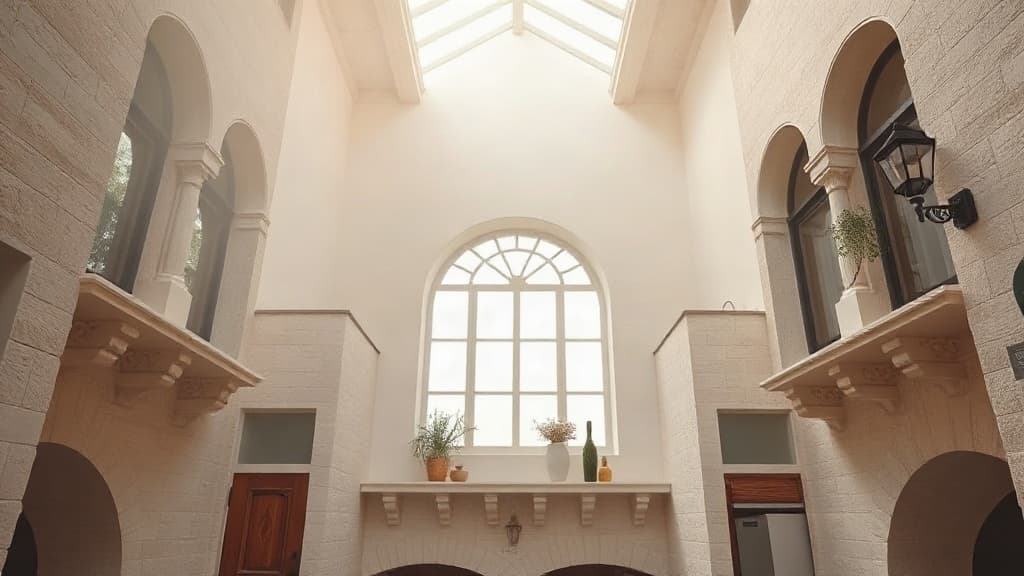
Beyond the Island: How Modern & Contemporary Kitchens Frame Daily Life
From sculptural forms to hidden tech, today's kitchens are dynamic spaces where inspiration meets lived reality. We explore the principles shaping them.
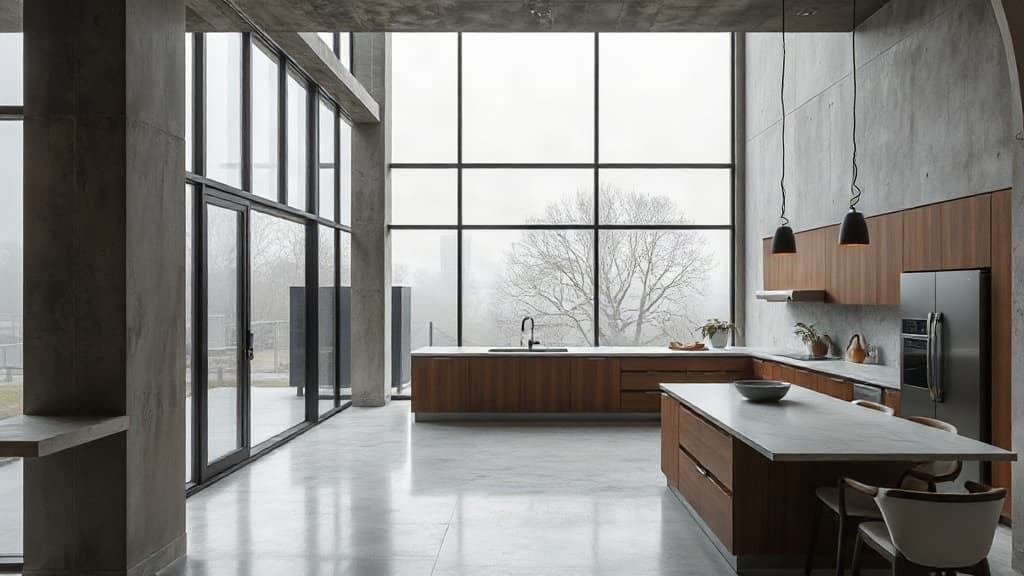
The Practical Pulse: Designing Modern & Contemporary Kitchens That Work For You
Moving beyond aesthetics, we explore the essential, functional decisions that make a modern kitchen a true asset to daily life.