Feature
The Language of Space: How Materials, Light & Detail Speak
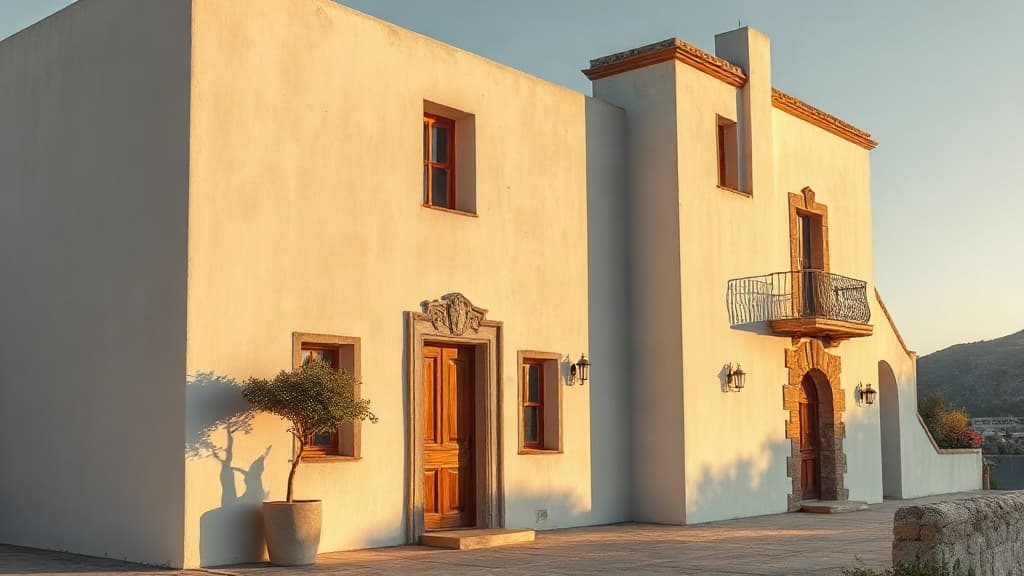
Great architecture and interior design transcend mere aesthetics to engage in a quiet, constant dialogue with its inhabitants. This dialogue is not conducted with words, but through a fundamental triad: the palpable truth of Materials, the shaping spirit of Light, and the eloquent punctuation of Detail. These are the foundational dialects in the language of space, and understanding their conversation is key to appreciating the depth of any built environment.
Our exploration begins with Materials, the tangible vocabulary of this language. A material is never just a surface; it is a repository of texture, temperature, history, and tone. The cool, solid narrative of polished concrete tells a vastly different story than the warm, grainy whisper of reclaimed oak. An expert, such as material scientist Dr. Lena Farrow, explains that "the choice of material is the first commitment to an atmosphere. It establishes the sensory baseline—the touch, the sound, even the scent of a room—long before a single piece of furniture arrives." This conscious selection moves beyond trend to create an authentic, multi-sensory foundation.
If materials provide the nouns and verbs, then Light is the syntax that gives them structure and mood. Natural light, dynamic and ever-changing, sculpts volumes and reveals textures in fleeting moments. Artificial light, when thoughtfully layered, can continue this narrative after dark, creating pools of intimacy or fields of focus. As lighting designer Aris Thorne notes, "We design not with light, but with shadow. It is the contrast, the gradient, the absence of light that defines form and guides emotion." The interplay between material and light is where space truly comes alive, with textures deepened and colors transformed under its influence.
Finally, Detail acts as the meticulous grammar—the precise joinery, the intentional reveal, the custom-crafted handle. It is in these minutiae that a designer's rigor and a craftsperson's care become manifest. A well-considered detail resolves the meeting of two materials not as a problem to be hidden, but as a celebration of their junction. It is the hand-finished edge of a stone countertop, the discreet integration of technology, or the bespoke metalwork of a balustrade. These elements may go unnoticed at first glance, but they are felt subliminally, contributing to an overarching sense of integrity and considered intention.
Ultimately, to experience a space is to subconsciously translate this layered conversation between substance, illumination, and craft. It is a dialogue that defines not just how a place looks, but fundamentally how it feels and functions. The most profound designs are those where this triad speaks in a clear, harmonious voice, creating environments that resonate on a deeply human level. For deeper insights from the voices shaping our surroundings, we invite you to [see more Magazine stories](/magazine/interviews).
Read Also
Feature
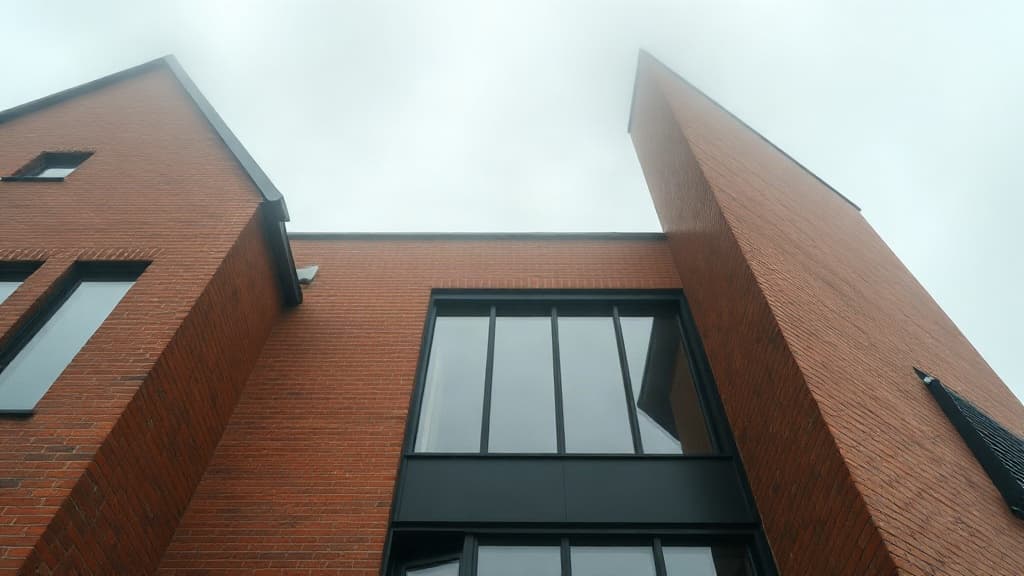
The Conversation Behind the Craft: What Experts Reveal in Archdeco Interviews
Moving beyond static showcases, Archdeco’s expert interviews uncover the foundational principles and philosophical dialogues that shape our built environments, revealing the thinking that makes spaces sing.
Guide
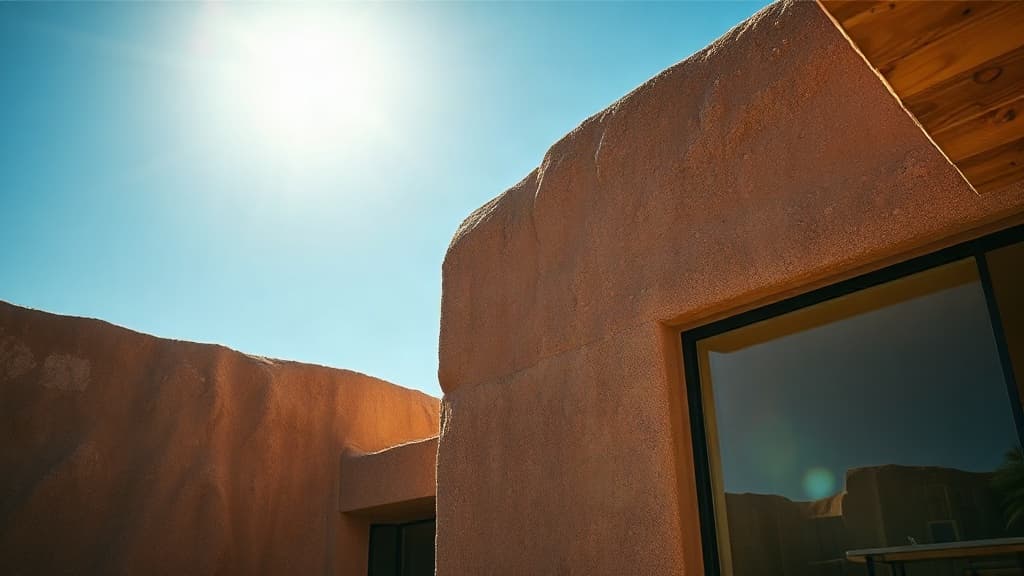
From Gallery to Living Room: Borrowing Design Confidence from Public Spaces
Discover how the bold confidence of museum galleries and boutique hotels can be distilled into practical principles for designing a home that feels both inspired and authentically yours.
Guide
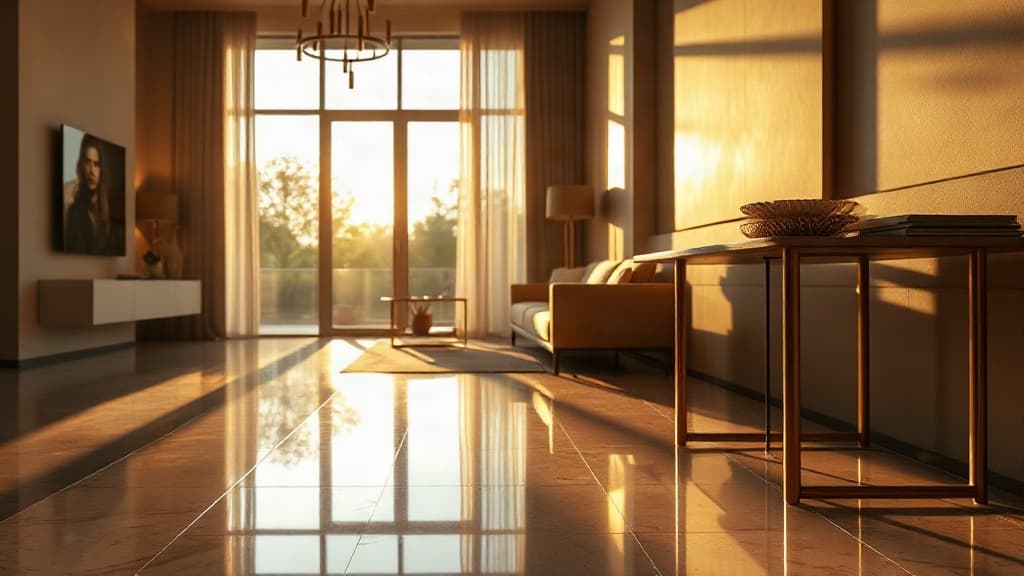
Living in Layers: A Practical Strategy for Building a Home You'll Love for Years
Building a timeless home isn't about chasing trends. Discover how a layered, intentional approach to furnishing creates a deeply personal and adaptable space that evolves with you.