The Modern Kitchen Reimagined: Five Practical Design Decisions for Homeowners

For many homeowners, the allure of a modern or contemporary kitchen lies in its promise of sleek minimalism and cutting-edge technology. Yet, the most successful spaces are those that masterfully blend this visual appeal with profound, everyday practicality. How do you create a kitchen that not only looks like a design magazine spread but also works flawlessly for your daily life? The answer lies in moving beyond surface trends and focusing on foundational design decisions that prioritize human experience.
First, consider the flow. The classic 'work triangle' (connecting sink, stove, and refrigerator) remains a timeless principle for efficiency, but it has evolved. In open-plan living, the triangle now often integrates with wider 'activity zones.' Think of creating distinct but connected areas for prep, cooking, cleaning, and even casual dining. This zoning prevents traffic jams during meal preparation and encourages the kitchen to function as a social hub. A strategically placed island can serve as both a prep station and a breakfast bar, effectively delineating space without building walls. The key is to map out your daily rituals and design circulation paths that feel intuitive, not obstructed.
Second, champion smart storage over sheer square footage. The contemporary aesthetic thrives on uncluttered surfaces, which is only possible with intentional storage solutions. Look beyond standard base and wall cabinets. Incorporate deep drawers for pots and pans, tall pull-out pantries for dry goods, and dedicated vertical slots for baking sheets and trays. Consider appliance garages to hide bulky countertop gadgets and integrated bins for waste sorting. Every item should have a designated 'home,' reducing visual noise and making cleanup a breeze. This approach turns even a modestly sized kitchen into a model of efficiency, proving that thoughtful organization is more valuable than excess space.
Ultimately, your kitchen's materials and lighting must be chosen for durability and ambiance, not just for the initial 'wow' factor. Opt for countertops that can withstand heat, stains, and scratches, like quartz or certain granites. For cabinetry, matte finishes or textured laminates are excellent at hiding fingerprints and smudges. In lighting, layer your sources: bright, shadow-free task lighting under cabinets for chopping, focused pendants over the island, and dimmable ambient lighting to soften the space for evening gatherings. This combination ensures the kitchen is always ready for work or relaxation. Crafting a kitchen that balances modern style with lived-in comfort is an exercise in thoughtful planning. For further inspiration on culinary spaces, see more Kitchens stories.
Read Also
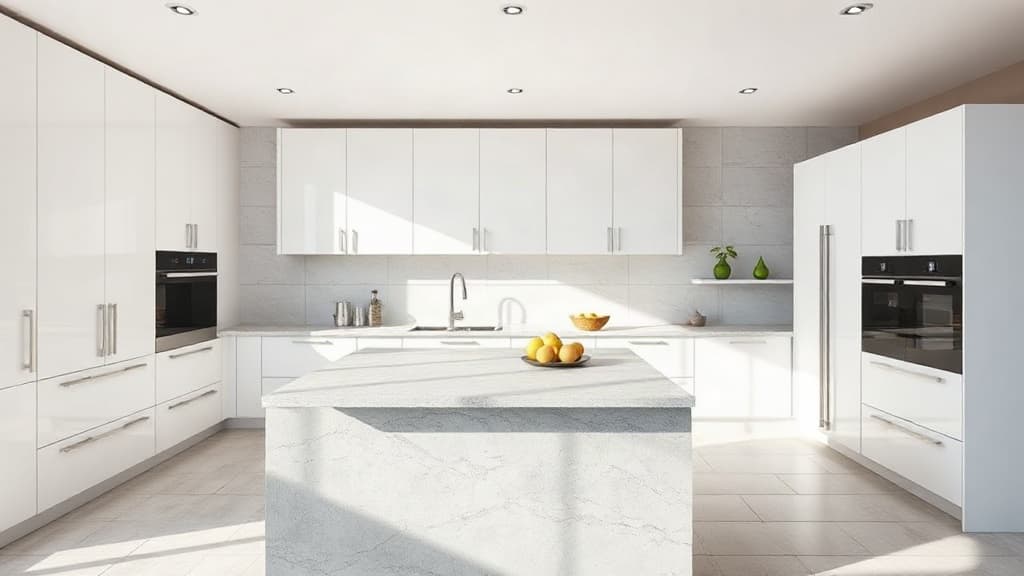
Modern Kitchen Ideas for a Streamlined, Functional Space
Get concrete modern kitchen ideas focusing on clean lines, smart storage, and material choices that create a functional and stylish cooking space.
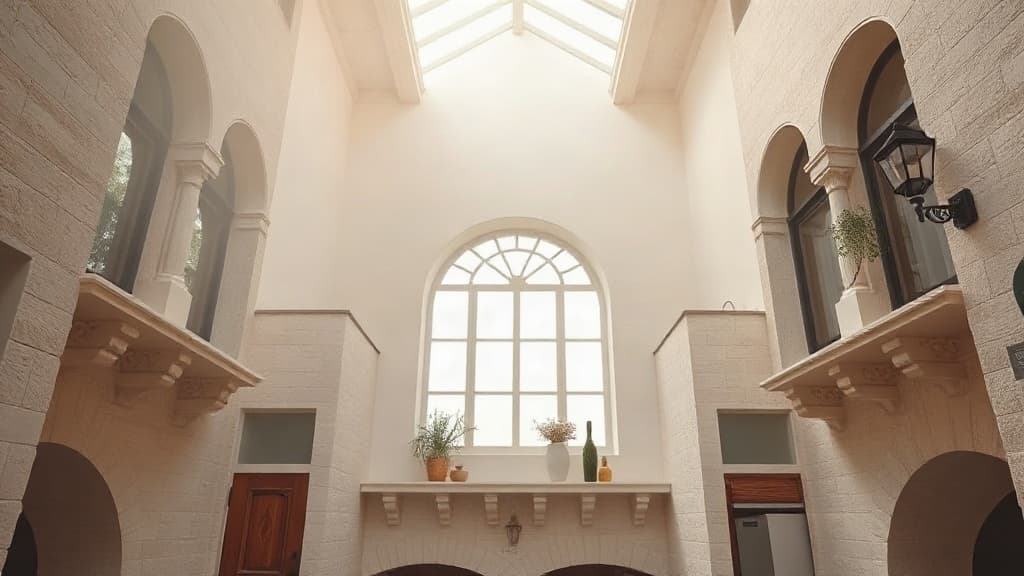
Beyond the Island: How Modern & Contemporary Kitchens Frame Daily Life
From sculptural forms to hidden tech, today's kitchens are dynamic spaces where inspiration meets lived reality. We explore the principles shaping them.
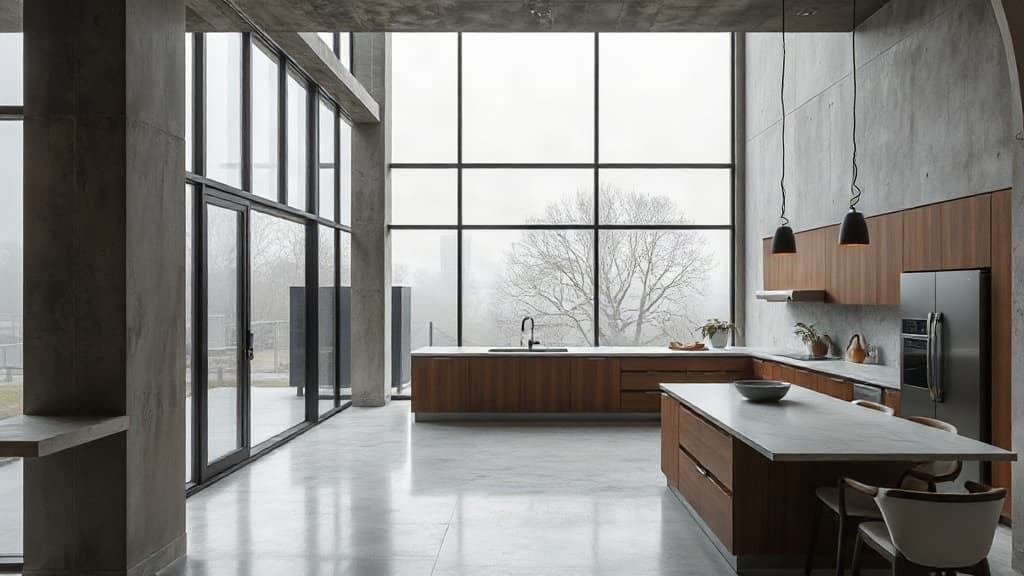
The Practical Pulse: Designing Modern & Contemporary Kitchens That Work For You
Moving beyond aesthetics, we explore the essential, functional decisions that make a modern kitchen a true asset to daily life.