Guide
Three Core Pillars: Actionable Design Upgrades for Your Home
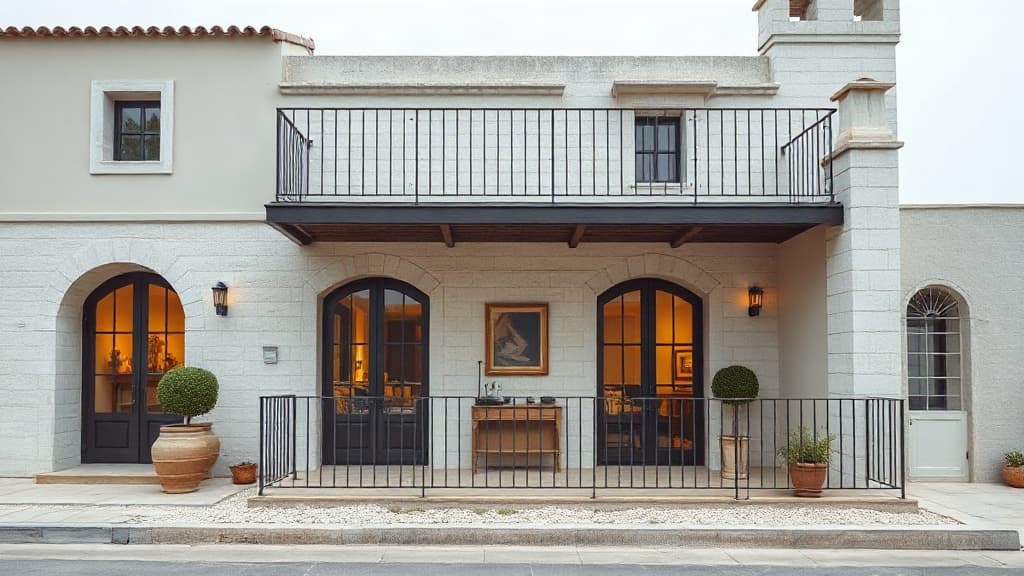
Creating a home that feels both beautiful and effortless to live in often feels like a mystery reserved for design professionals. Yet, the secret lies not in extravagant purchases but in mastering three fundamental elements: Lighting, Materials, and Layouts. By focusing on this powerful triad, homeowners can make transformative decisions that enhance both the aesthetics and daily functionality of their spaces. This guide offers practical, actionable tips to harness each pillar, moving beyond mere decoration to intentional design.
First, shift your perspective on lighting. It's more than just a source of illumination; it's the primary tool for sculpting mood and defining zones. The most effective strategy is layering. Start with ambient lighting (your main ceiling fixtures) to establish a general light level. Then, add task lighting—focused light for specific activities. Think of a sleek desk lamp for your home office, or under-cabinet strips in the kitchen. Finally, introduce accent lighting to add drama and depth. This could be a picture light over artwork or discrete LED strips along a bookshelf. Crucially, install dimmer switches wherever possible. They are inexpensive upgrades that grant you ultimate control over a room's atmosphere, allowing one space to transition seamlessly from a bright, energetic hub to a soft, relaxing retreat.
Materials are the tactile soul of your home, and their selection should be a dialogue between beauty and practicality. Resist the urge to choose surfaces based on a photo alone. Visit showrooms to touch and feel them. For high-traffic areas like entryways or family rooms, prioritize durability. A beautiful but delicate material will become a source of constant stress. Consider performance fabrics for upholstery that resist stains, or engineered quartz countertops that mimic natural stone without the high maintenance. Introduce textural contrast to create visual interest: pair a smooth leather sofa with a nubby wool throw, or place a rough-hewn wooden bowl on a polished marble console. This interplay of textures makes a space feel rich and considered.
Your layout is the invisible choreographer of movement and interaction. Before buying a single piece of new furniture, analyze how you currently use the room. Is there a natural traffic path that gets blocked? Are conversation areas too far apart? Use painter's tape on the floor to outline potential furniture arrangements—this saves your back and avoids costly mistakes. A versatile layout often employs furniture floating away from walls to create more intimate groupings. For smaller rooms, consider multi-functional pieces like an ottoman with storage or a console table that doubles as a desk. Remember, a successful layout creates a sense of balance and ease, ensuring your home works *for* you, not against you. For deeper inspiration on applying these principles, we invite you to [see more Interiors stories](/interiors/lighting-materials).
Ultimately, a well-designed home is a series of thoughtful choices. By approaching lighting as a mood-setter, materials as a blend of sensory appeal and resilience, and layout as a blueprint for ease, you build a foundation of timeless design that adapts to your life, rather than dictating it.
Read Also

Feature
The Alchemy of Atmosphere: Materials, Light & Detail
How the deliberate orchestration of material textures, lighting nuances, and meticulous detailing creates spaces that feel not just designed, but truly composed.

Design
Foundational Triad: The Invisible Rules of Interior Design
Great spaces are built on a silent conversation between three core elements. We explore the timeless principles governing lighting, materials, and layouts.
Feature
The Hygge to Hammam Spectrum: Material Narratives in Bathroom & Spa Design
From minimalist Nordic serenity to the communal warmth of a traditional hammam, discover how material choices and spatial narratives transform bathrooms and spas into profoundly personal retreats.