Guide
Your Home's Three-Act Play: Mastering Lighting, Materials & Flow
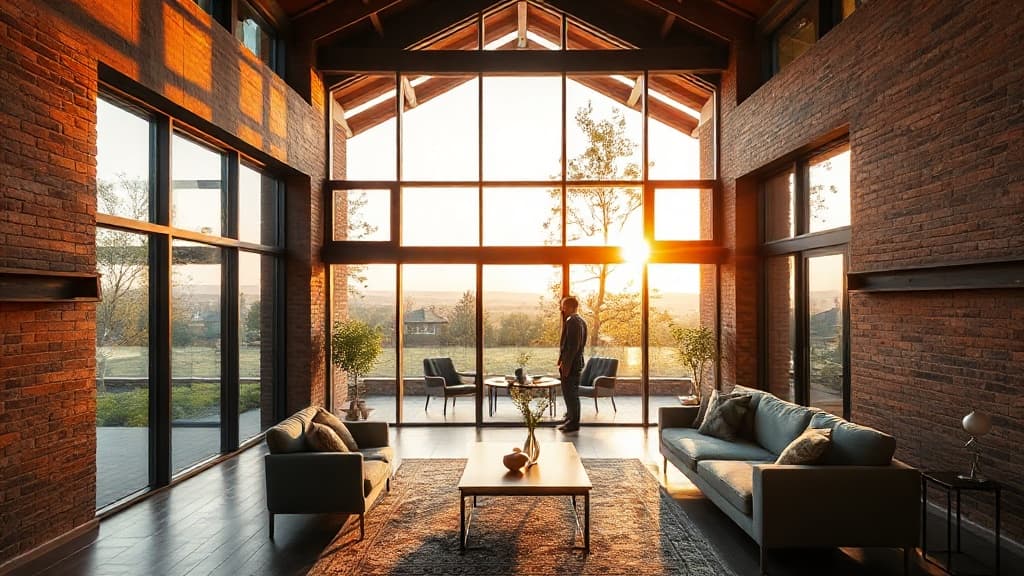
Great interior design often feels like an intuitive experience. Yet, behind that effortless ambiance in your favourite room is a deliberate orchestration of three fundamental elements: lighting, materials, and spatial flow. For homeowners, understanding how to harness this triad is less about grand renovation and more about making strategic choices that transform daily living. Let’s move beyond theory and focus on practical application, room by room.
First, think of lighting as your home’s emotional conductor. Layering is key. Start with ambient light for general illumination, add task lighting for specific activities like reading or cooking, and finish with accent lights to highlight artwork or architectural details. A pro tip: install dimmer switches wherever possible. This single change gives you ultimate control over a room’s mood, from vibrant and energising to soft and serene. Pay attention to colour temperature too; warmer tones (2700K-3000K) invite relaxation in living and bedrooms, while cooler, brighter light (3500K-4000K) aids concentration in home offices and kitchens.
Your material palette forms the tactile narrative of your home. Consistency creates harmony. Select two or three core materials—like oak wood, linen, and terrazzo—and echo them in different forms throughout your spaces. A wooden floor can be complemented by oak shelving in the living room and a bamboo stool in the bathroom. This repetition builds a cohesive visual language. Equally crucial is considering texture. Pair smooth, polished surfaces with something inherently textured, like a chunky knit throw or a rough-hewn ceramic vase. This contrast adds depth and prevents rooms from feeling flat or sterile, creating a more inviting and sensory-rich environment.
Finally, a thoughtful layout is about choreographing movement and function. Before arranging furniture, map out the natural pathways people use to navigate the room—these are your circulation routes. Ensure they remain clear and at least 90cm wide. Then, define zones within open-plan areas using area rugs, changes in lighting, or even a shift in material underfoot. A change from hardwood to a large, plush rug can instantly signal a dedicated conversation area. Remember, furniture need not hug the walls. Floating a sofa or creating a central focus point often fosters better interaction and makes a room feel more dynamic and intentional.
Mastering these three elements is an ongoing dialogue with your space. Start with one adjustment—a new lighting layer, a textured accent, or a revised furniture arrangement—and observe the change it brings. For deeper inspiration on balancing these core principles, [see more Interiors stories](/interiors/lighting-materials).
Read Also
Feature
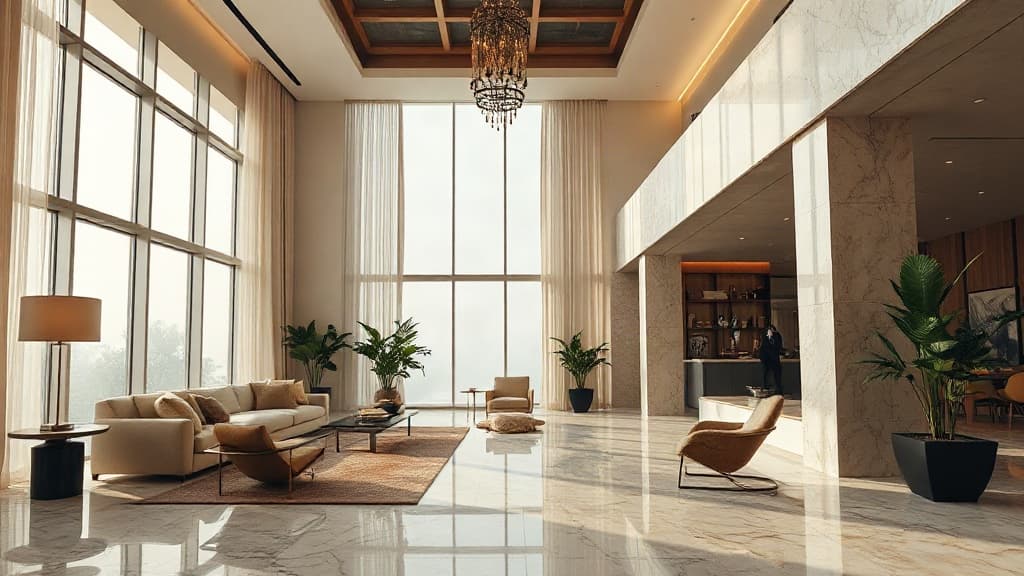
Beyond the Sofa: Living & Reception Spaces That Tell a Story
Moving beyond mere aesthetics, we explore how the world's most captivating living rooms anchor themselves in personal narrative and architectural honesty, offering true inspiration for your own space.
Guide
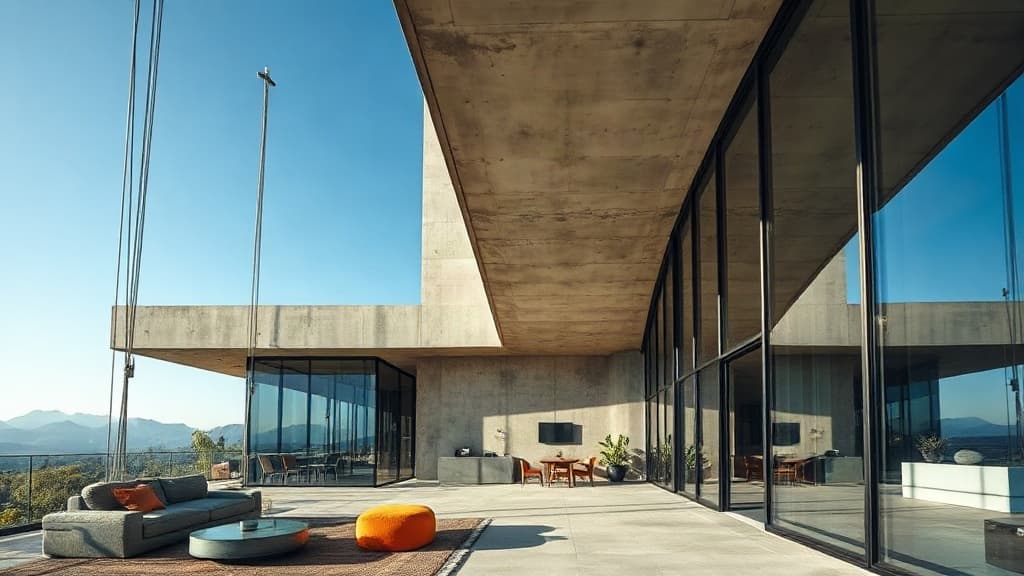
The Living Room Reimagined: Practical Wisdom for the Heart of Your Home
Your living and reception areas are more than just rooms; they are stages for life. Our practical guide helps homeowners craft spaces that are as functional as they are beautiful.
Design
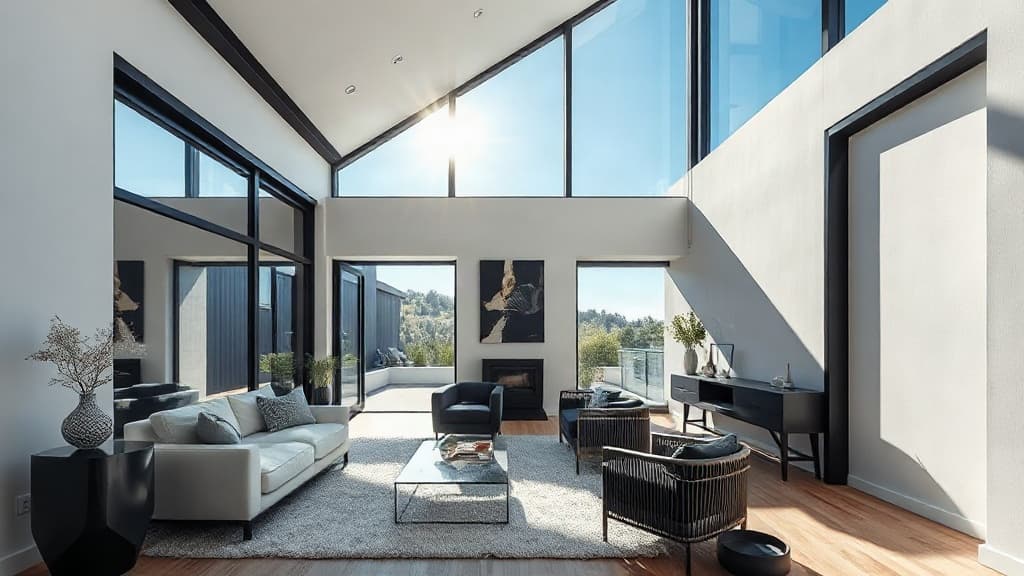
The Unspoken Dialogue: How Material, Light, and Detail Shape Living Space
Beyond furniture, the true character of a living space is composed in the quiet interplay of substance, illumination, and crafted detail.