Design
Between City and Soil: The Foundational Grammar of Public Landscape Design
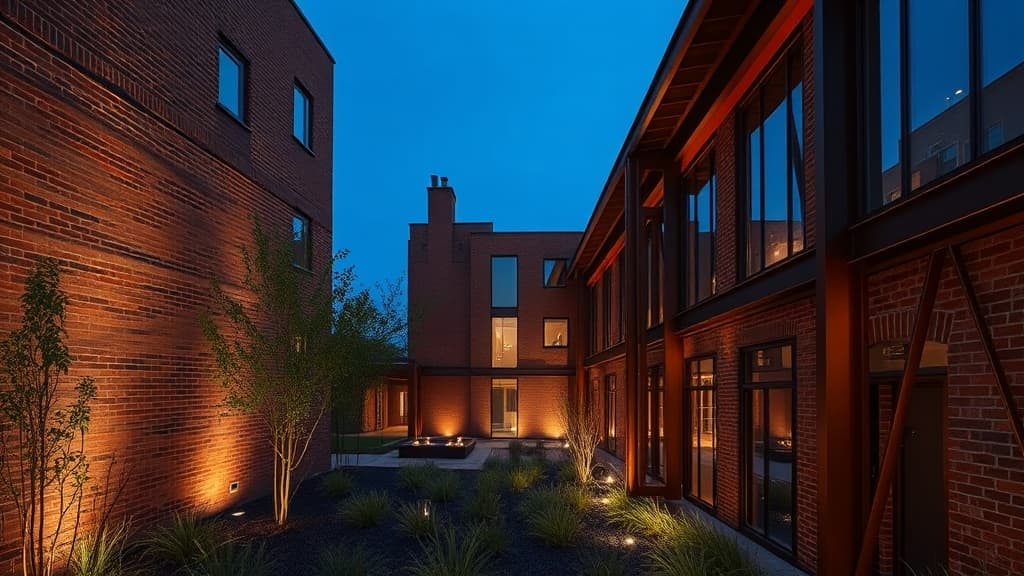
In an era of dense urbanization and climate uncertainty, the public landscape project has emerged as one of architecture's most vital and complex typologies. It is the connective tissue of the city, the shared living room, and a critical ecological regulator all at once. Moving beyond mere beautification, contemporary landscape architecture engages in a profound dialogue between the built environment and natural systems. The most successful projects are not just designed; they are choreographed—orchestrating movement, ecology, social interaction, and sensory experience into a cohesive whole. Their success hinges on a foundational grammar, a set of core principles that transform open space from a passive leftover into an active civic instrument.
At its heart lies the principle of Social Fabric over Singular Function. The iconic plazas, waterfront promenades, and neighborhood parks that we cherish rarely succeed because of a single feature. Instead, they weave together a matrix of uses, scales, and temporalities. They accommodate the morning commuter, the afternoon picnicker, the evening stroller, and the weekend festival. This multiplicity creates a resilient social ecosystem, ensuring the space is perennially relevant and patrolled by the benevolent gaze of its diverse users. Design achieves this through careful zoning, flexible furniture, and the subtle creation of 'rooms within rooms'—smaller, semi-defined areas that offer intimacy within the grand public whole.
The second, inseparable principle is Ecological Stewardship as Design Driver. Today's public landscape is a working part of the urban biome. It is a stage for biodiversity, a sponge for stormwater, a cleanser of air, and a moderator of microclimates. The design process now begins with hydrology and soil, not just paving patterns. It employs native plant palettes that require less water and support local fauna. It reveals and celebrates water cycles through bioswales and retention ponds, turning infrastructure into education and aesthetic. This principle moves sustainability from an added feature to the very genesis of the form, creating places that are not just in the landscape but are of it, actively regenerating their environmental context.
Ultimately, the most powerful principle is Crafting Collective Memory. Great public landscapes transcend their physical components to become vessels for shared identity. They hold the celebrations, protests, quiet lunches, and first encounters that constitute civic life. Design fosters this by incorporating local narratives, materials, and artistry, ensuring the space feels deeply rooted rather than generically imposed. It is where a city recognizes itself, a testament to the idea that what we build in common, we cherish in common. The true measure of a public landscape is not just how it looks on opening day, but how it is loved, used, and adapted over decades. To explore how these principles manifest in groundbreaking projects around the world, [see more Architecture stories](/architecture/public-landscape).
Read Also
Feature
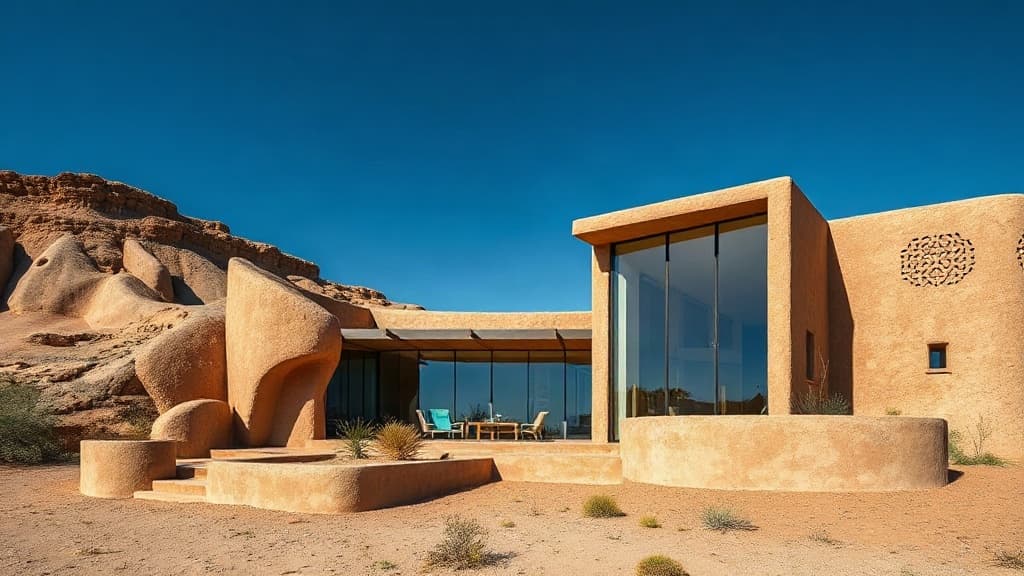
The Spark Before the Blueprint: How Expert Narratives Shape Design
Moving beyond curated visuals, we explore how candid conversations with leading architects and designers reveal the raw, human inspiration behind iconic spaces and practical, adaptable solutions.
Guide
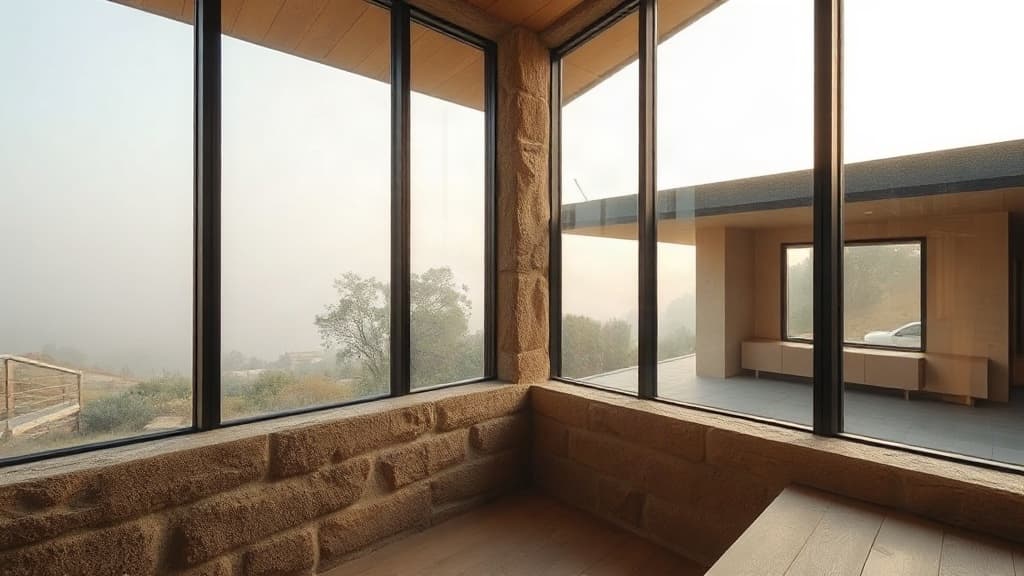
Turning Expert Insights into Action: A Homeowner's Playbook
Our deep-dive interviews with top designers yield more than inspiration; here’s how to translate their wisdom into tangible, everyday improvements for your own space.
Feature
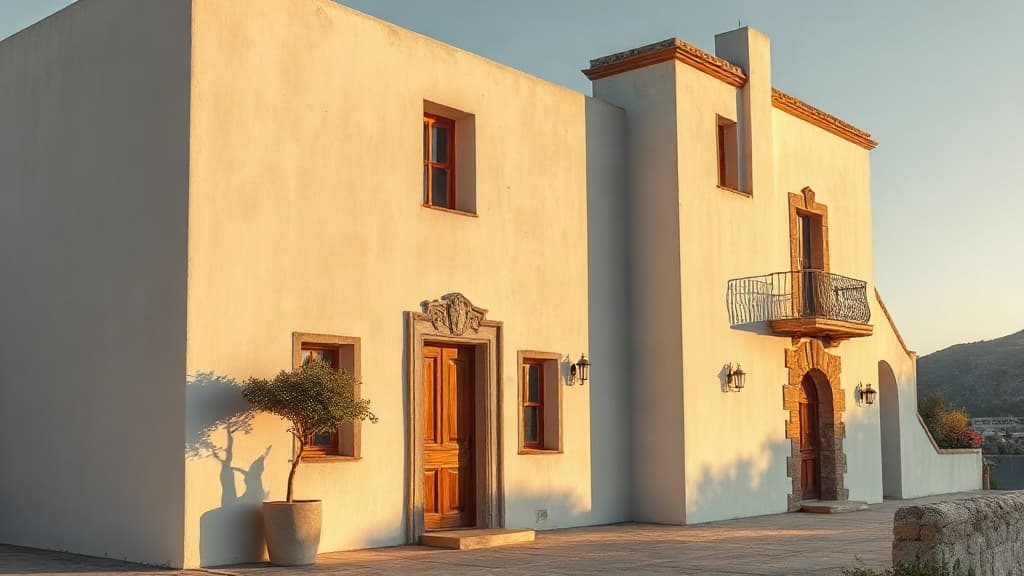
The Language of Space: How Materials, Light & Detail Speak
Architecture's most profound conversations are unspoken, conducted through the deliberate interplay of substance, shadow, and refinement. We listen in.