Beyond Green: How Materials, Light & Detail Shape a Deeper Eco-Style
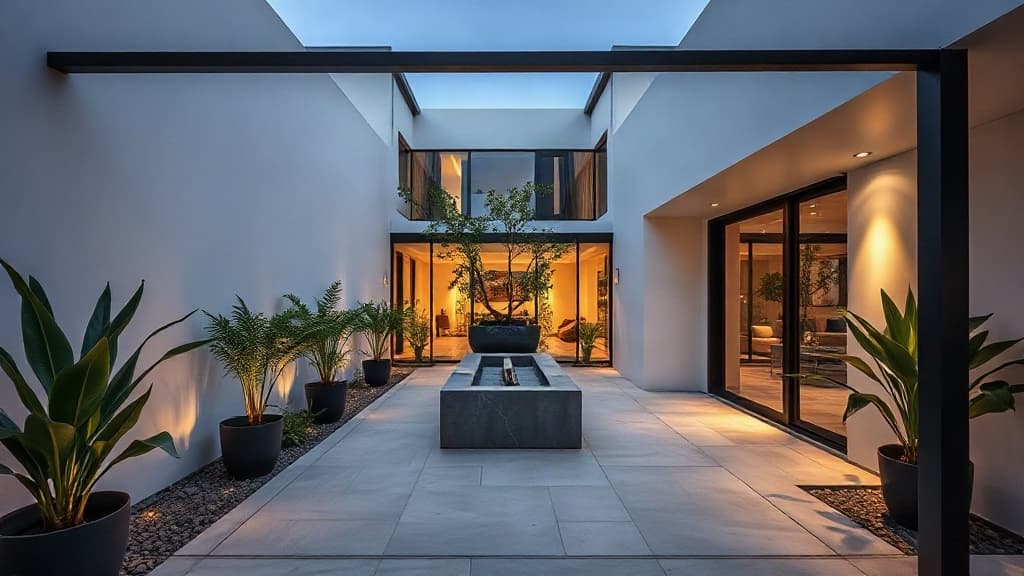
Biophilic design is often reduced to an aesthetic of potted plants and living walls. Yet, to create a home that is genuinely restorative and eco-friendly, we must look deeper, to the very bones of a space: the materials we touch, the light we cultivate, and the details we honor. This is where a true connection to nature is woven, not just placed.
The first language of this deeper style is materiality. It speaks through surfaces that tell an honest, sustainable story. Think of reclaimed timber with its weathered narrative, natural clay plasters that breathe and regulate humidity, or linen textiles that soften with time. These are materials with provenance and patina; they age gracefully, reducing the need for replacement and celebrating imperfection. Their tactile qualities—the grain of wood, the coolness of stone, the weave of a fiber—constantly reconnect us to the physical, natural world in a way that a synthetic alternative never can.
Light is the animating force. A biophilic space is choreographed around natural daylight, with windows positioned not just for views but for the sun's daily journey. The goal is a soft, diffused illumination that mimics the dappled light of a forest canopy. This involves thoughtful detailing: deep-set windows that create pockets of shadow, skylights that wash a wall in morning sun, or translucent screens that scatter light gently. This play of light and shadow gives a room rhythm and depth, aligning our circadian rhythms with the natural world and drastically reducing reliance on artificial lighting.
Finally, the commitment is sealed in the details. Eco-friendly design is precise. It’s in the joinery of a bespoke wooden shelf, celebrating the craft instead of hiding it. It’s in the choice of non-toxic, plant-based finishes that protect both our health and the environment. It’s in the integration of passive cooling through strategic ventilation grilles, or the collection of rainwater via a beautifully detailed downspout. These are the quiet, intelligent decisions that move sustainability from a concept to a lived experience.
Ultimately, a home built on this philosophy becomes a sanctuary that nurtures both inhabitant and ecosystem. It is a dialogue with nature, conducted through every chosen substance, every captured ray of light, and every considered detail. For those drawn to this profound approach to living, we invite you to see more Styles stories.
Read Also
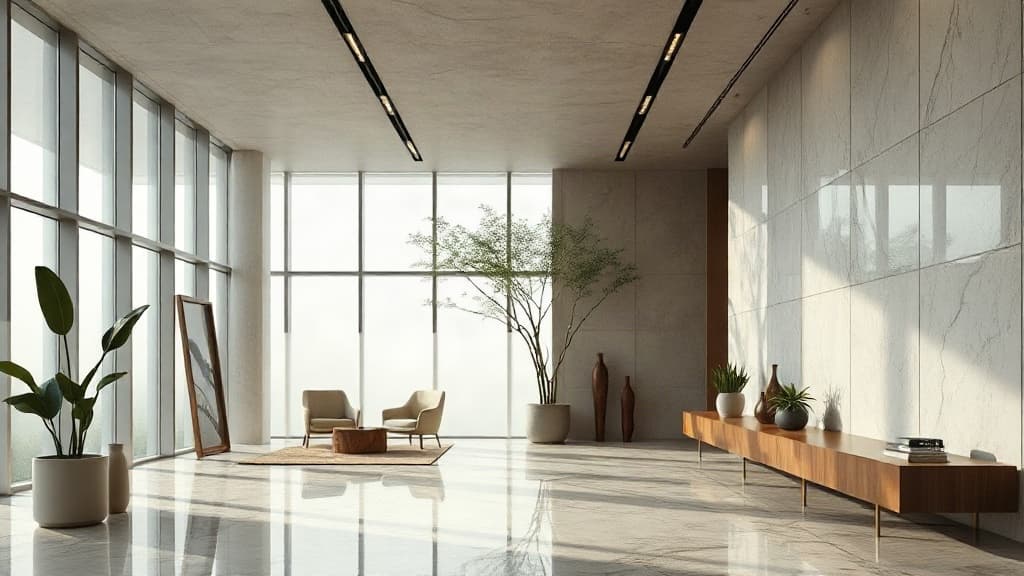
From Earth to Elegance: Living Projects Inspired by Nature
Discover how architects and designers are translating biophilic and eco-friendly principles into stunning, functional homes and spaces.
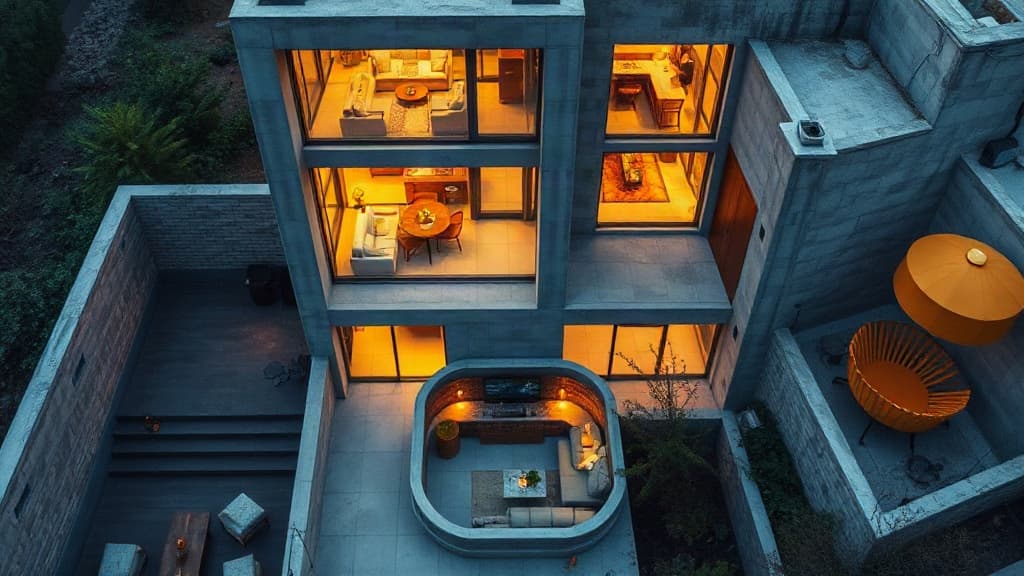
Your Sanctuary of Green: Everyday Strategies for a Biophilic Home
Transform your living space into a restorative sanctuary with these actionable, real-world strategies that bring nature's harmony indoors.
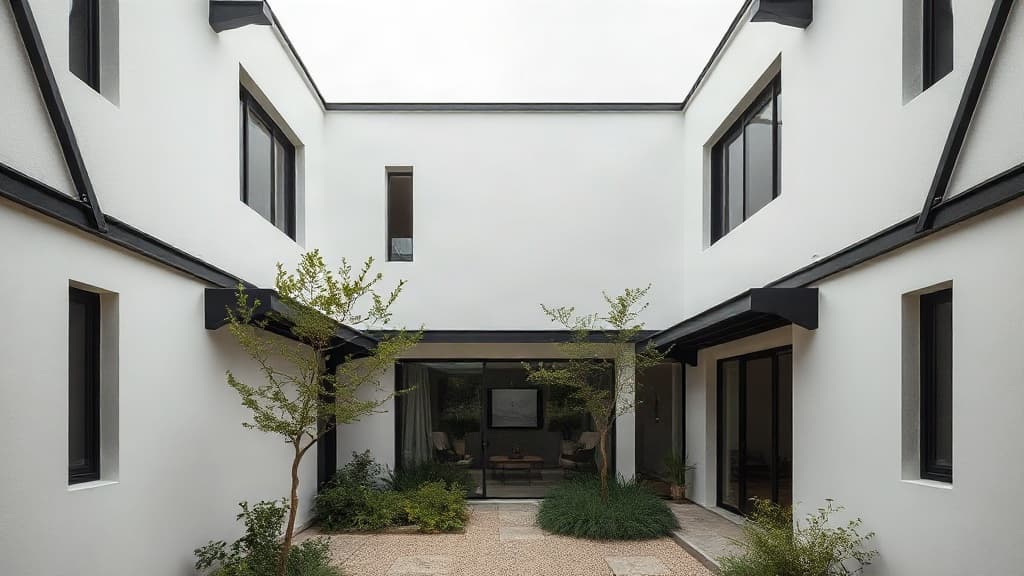
The Living Blueprint: Core Tenets of Biophilic & Eco-Conscious Design
Moving beyond a simple trend, biophilic design offers a foundational approach to creating spaces that nurture inhabitants and the planet, rooted in timeless principles.