The Living Blueprint: Core Tenets of Biophilic & Eco-Conscious Design
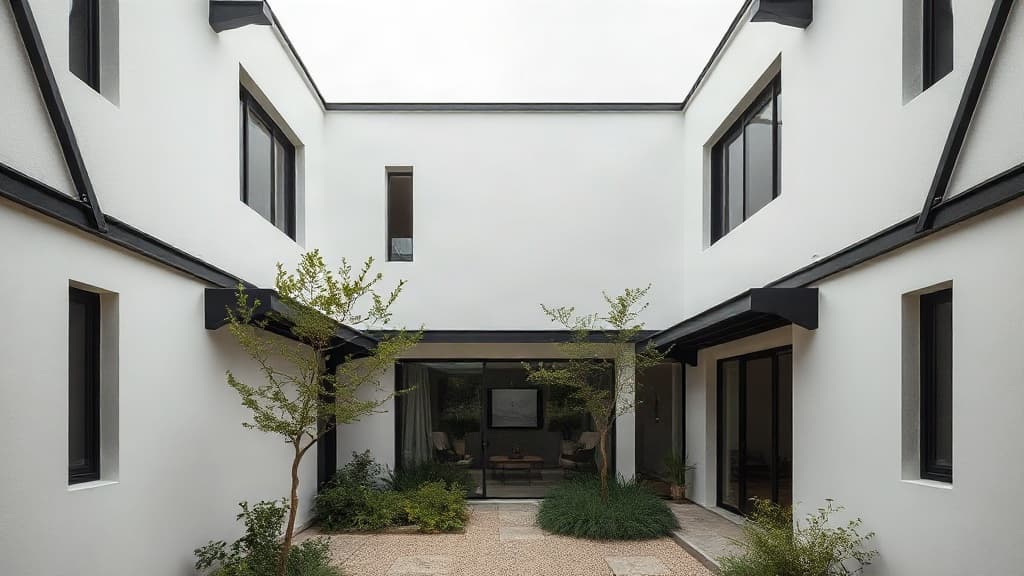
In a world increasingly mediated by screens and synthetic environments, our innate yearning for a connection with nature—biophilia—has become a guiding force in modern design. More than just adding a potted plant to a corner, the fusion of biophilic and eco-friendly styles represents a profound design philosophy. It seeks to create habitats that actively support human well-being while honouring and preserving the natural world. This isn't merely an aesthetic choice; it's a holistic approach to architecture and interiors that addresses our psychological, physiological, and ecological needs through a set of core design principles.
At its heart, biophilic design operates on several key tenets that go far beyond greenery. The principle of ‘Visual Connection with Nature’ is the most direct, incorporating views to living systems, water, and botanical elements. However, the philosophy deepens with concepts like ‘Non-Visual Connection,’ which engages our other senses through the sound of water, the texture of natural materials, or the scent of wood. ‘Dynamic & Diffuse Light’ mimics the subtle, changing patterns of natural daylight, avoiding static artificial lighting to regulate our circadian rhythms. Perhaps most critically, the principle of ‘Material Connection with Nature’ advocates for using raw, unfinished, and locally sourced materials that tell a story of their origin, offering richness and authenticity that synthetic finishes cannot replicate.
These biophilic principles are inextricably linked with the imperative of sustainable, eco-friendly practice. True integration means that the wood for your feature wall is FSC-certified, the stone is locally quarried, and the textiles are organic or recycled. The design prioritizes energy efficiency through passive strategies—like strategic window placement for cross-ventilation and solar heat gain—and incorporates renewable energy sources. Water becomes a cherished resource, with systems for recycling greywater and selecting drought-resistant native plants for landscaping. This synergy creates a ‘closed-loop’ mindset where every design decision considers its environmental footprint, resulting in spaces that are not only beautiful and restorative but also resilient and responsible.
Ultimately, adopting a biophilic and eco-friendly style is about crafting a dialogue between the built environment and the living world. It asks designers and homeowners to see a space not as a sealed container, but as a dynamic participant in a larger ecological system. By rooting our interiors in these foundational principles, we create homes and workplaces that reduce stress, enhance creativity, and foster a deeper sense of place and stewardship. For a deeper exploration of how different design philosophies shape our spaces, see more Styles stories.
Read Also
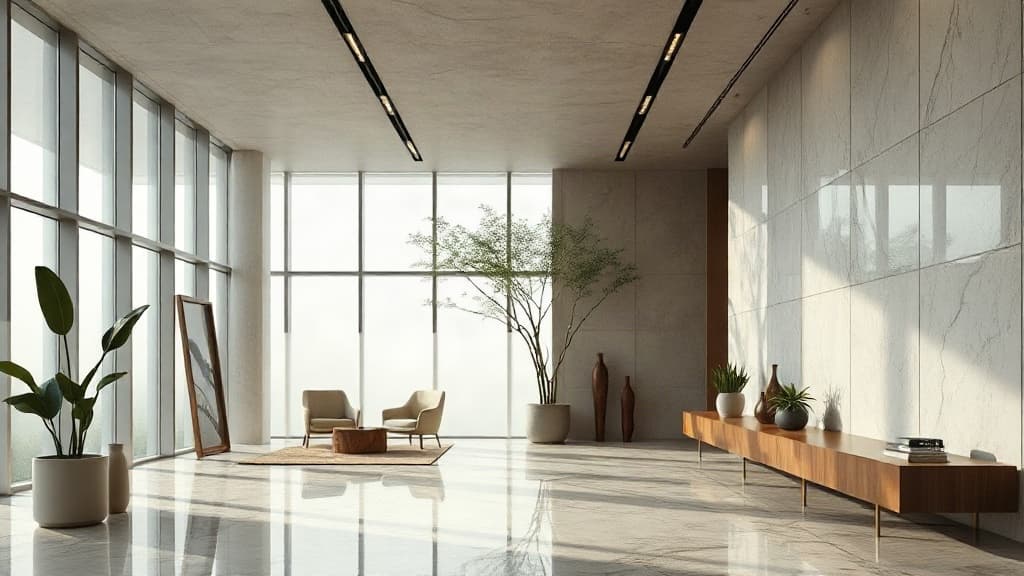
From Earth to Elegance: Living Projects Inspired by Nature
Discover how architects and designers are translating biophilic and eco-friendly principles into stunning, functional homes and spaces.
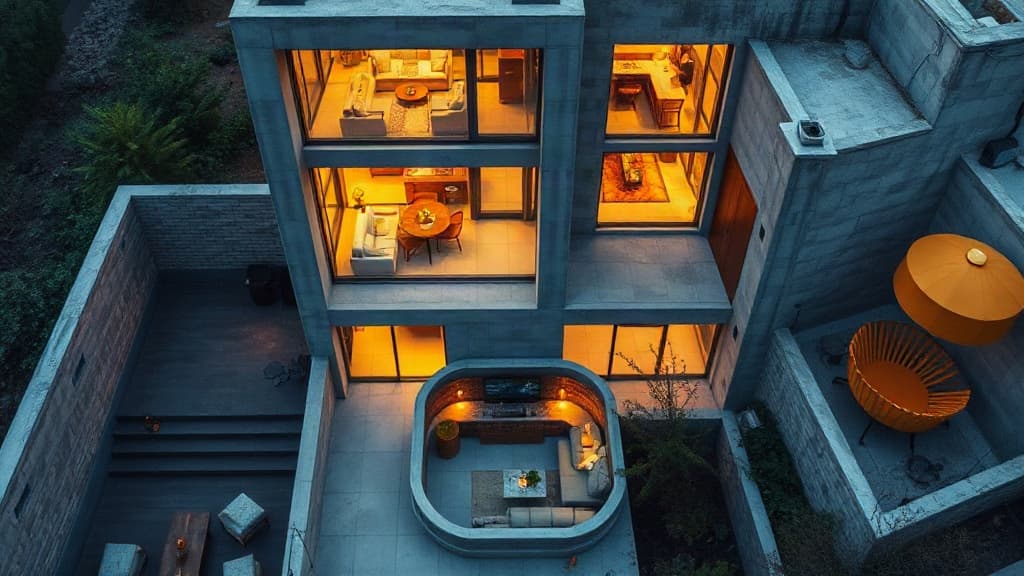
Your Sanctuary of Green: Everyday Strategies for a Biophilic Home
Transform your living space into a restorative sanctuary with these actionable, real-world strategies that bring nature's harmony indoors.
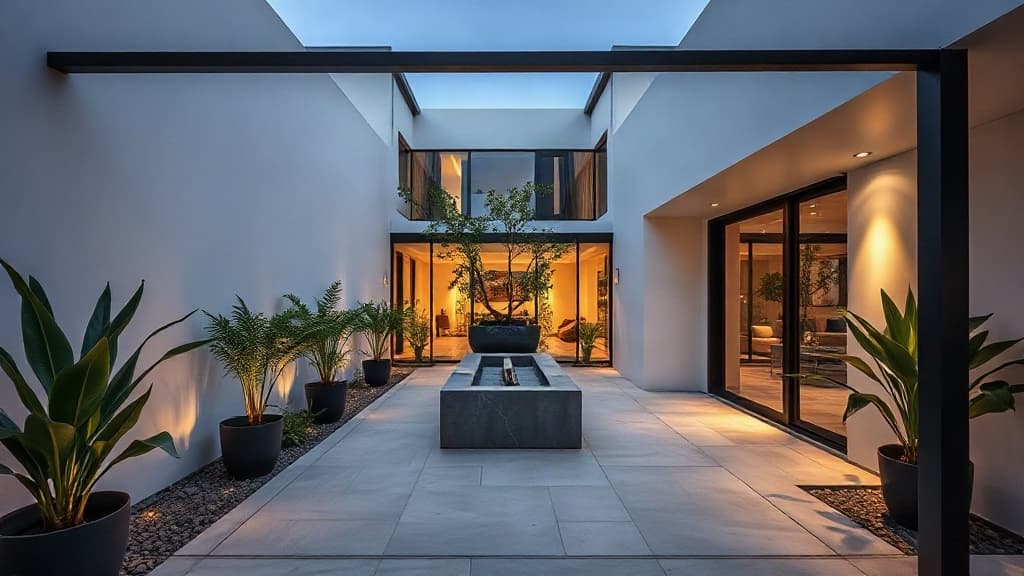
Beyond Green: How Materials, Light & Detail Shape a Deeper Eco-Style
We move past surface-level greenery to explore how the foundational choices in material, daylight, and meticulous detailing create a truly integrated biophilic sanctuary.