Feature
Beyond the Blueprint: How Materials, Light & Detail Shape the Soul of a Home
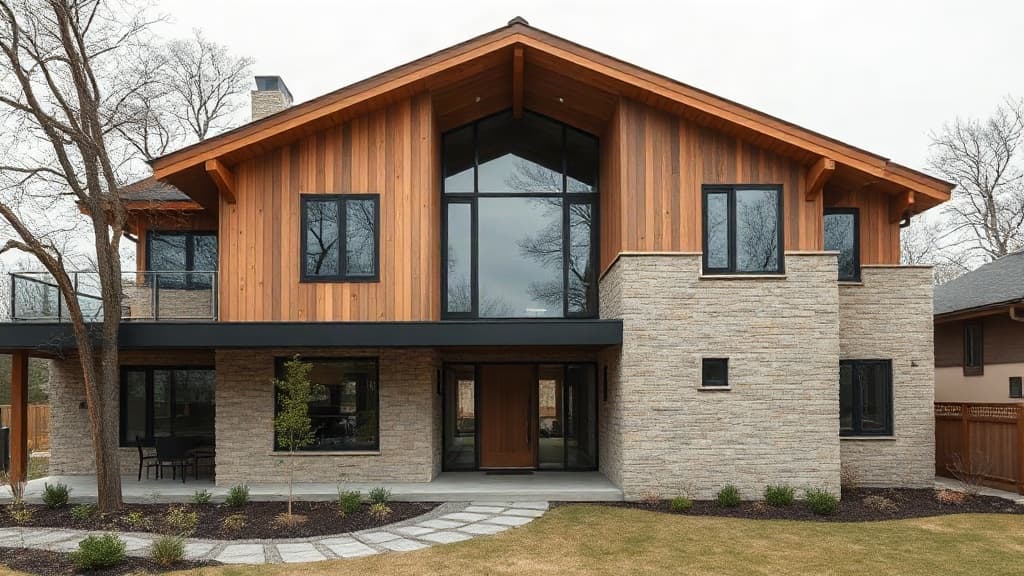
A home is more than a collection of rooms outlined on a blueprint. While the floor plan dictates function, it is the masterful interplay of materials, light, and detail that breathes soul into the structure. These three elements form the tangible, sensory language of residential architecture, transforming inert space into an environment that resonates on a deeply personal level. They are the tools through which architects compose atmosphere, texture, and memory, crafting shelters that are not merely seen but profoundly felt.
Materiality provides the foundational narrative. The cool, solid reassurance of exposed concrete, the organic warmth of timber grain, the soft, woven story of a wool bouclé wall panel—each choice speaks a distinct dialect of comfort, permanence, or innovation. These surfaces invite touch and quietly dictate a home’s thermal and acoustic character. A residence clad in locally quarried stone connects its inhabitants to the surrounding landscape, while a space utilizing sleek, recycled glass tells a story of modern conscientiousness. The materials are the first and most direct conversation between the dweller and the dwelling, a tactile dialogue that begins the moment a hand brushes a wall or a bare foot meets a floor.
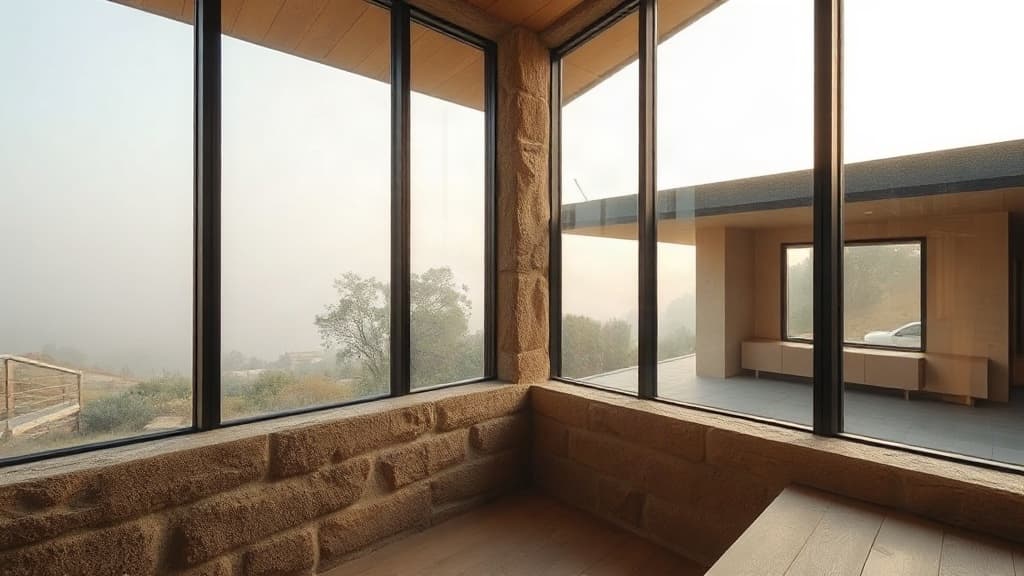
Light, the intangible yet most transformative medium, animates these materials. Natural light, choreographed through apertures, skylights, and reflective surfaces, paints the interior with a dynamic, living brush. It traces the passage of time, casting long morning shadows and bathing rooms in golden afternoon hues. The careful detailing of a deep window reveal can soften harsh sunlight, while a strategically placed clerestory can wash a double-height wall with a diffuse glow. Artificial lighting continues the narrative after dusk, where the precision of a focused reading lamp or the ambient wash from concealed coves can sculpt mood and function from the same physical space. Light defines volume, highlights texture, and ultimately determines how we perceive and experience every material detail.
It is in the details where intention becomes poetry. This is the realm of the crafted joint, the bespoke handrail, the intentional shadow gap between wall and ceiling that gives a floating effect. Details are the quiet punctuation in the architectural sentence—the reveals, the transitions, the custom hardware. They signal care and control, elevating construction to craft. A well-considered detail solves a practical junction while adding a layer of visual refinement; it is where the architect’s pencil lingers, ensuring that every intersection of material and plane is resolved with thought. These moments, often discovered rather than immediately noticed, accumulate to create a sense of enduring quality and deeply considered design.
Ultimately, the most successful homes are those where material, light, and detail are not separate considerations but threads woven into a single, coherent tapestry. They create environments that support and inspire daily life, proving that residential architecture at its best is a holistic sensory experience. For further exploration of how fundamental principles shape our living spaces, [see more Architecture stories](/architecture/residential).
Read Also

Feature
The Human Scale: Foundational Principles for Residential Architecture
Residential architecture is the art of designing not just houses, but homes. We explore the core principles that transform built spaces into personalized sanctuaries that support and inspire daily life.

Feature
The Spark Before the Blueprint: How Expert Narratives Shape Design
Moving beyond curated visuals, we explore how candid conversations with leading architects and designers reveal the raw, human inspiration behind iconic spaces and practical, adaptable solutions.
Guide
Turning Expert Insights into Action: A Homeowner's Playbook
Our deep-dive interviews with top designers yield more than inspiration; here’s how to translate their wisdom into tangible, everyday improvements for your own space.