Feature
The Human Scale: Foundational Principles for Residential Architecture
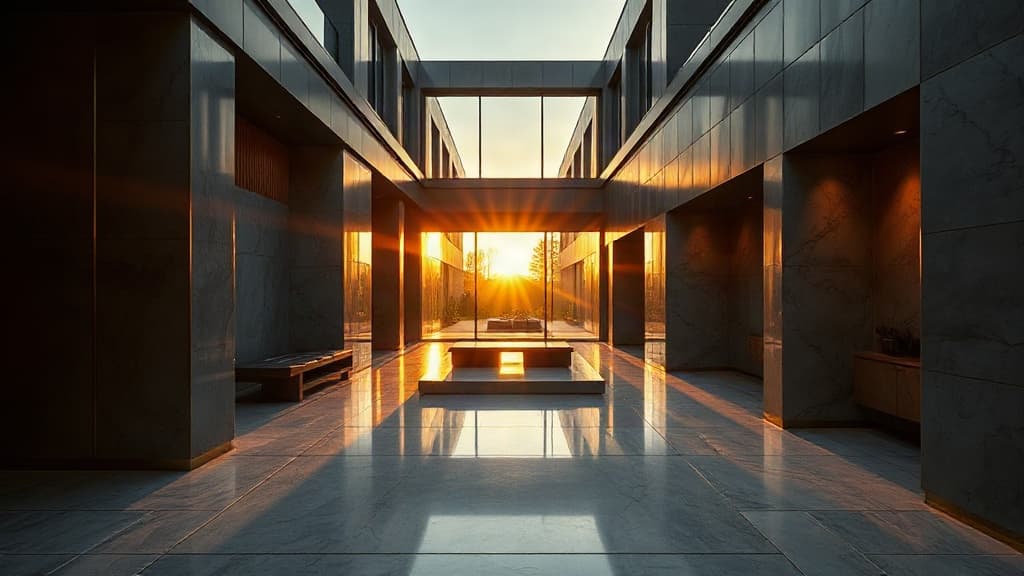
Residential architecture stands as one of the most intimate forms of design. Unlike the grand gestures of public buildings, its success is measured in quiet moments of comfort, in the effortless flow of a morning routine, and in the feeling of profound belonging. It is the art of creating not just a house, but a home—a personalized sanctuary that reflects and nurtures the lives within. At its core, this discipline moves beyond aesthetics and square footage to engage with fundamental principles of human experience, scale, and context.
The primary principle is designing for the inhabitant. A home must be a direct extension of its residents' identity, lifestyle, and aspirations. This human-centric approach begins with deep listening. How does a family gather? Where does solitude find its place? What rituals define the day? The resulting architecture translates these narratives into spatial sequences, from the welcoming embrace of an entry to the contemplative calm of a private retreat. It prioritizes comfort, natural light, and intuitive circulation, ensuring the space supports life rather than complicates it. The flow between rooms, the relationship between inside and out, and the provision of both communal and private zones are all orchestrated around the rhythms of the people who live there.
Equally vital is the principle of harmonious context. A home does not exist in a vacuum; it is in constant dialogue with its site, climate, and community. Thoughtful residential architecture respects this dialogue. It considers solar orientation for warmth and light, leverages prevailing breezes for natural cooling, and uses materials that speak to the local landscape. This contextual sensitivity creates a home that feels rooted, sustainable, and uniquely suited to its place. Whether in a dense urban setting or a rural expanse, the design mediates between the occupant's needs and the environment's character, fostering a sense of enduring connection.
Ultimately, enduring residential architecture masters the balance between the universal and the particular. It employs timeless principles of proportion, light, and materiality to create a strong, serene framework. Upon this framework, the layers of personal life—the art collections, the worn furniture, the sounds of family—can accumulate and tell their own story. The goal is to craft a background that recedes, allowing life itself to become the foreground. For those captivated by the thoughtful craft of dwelling, a deeper exploration awaits [see more Architecture stories](/architecture/residential).
Read Also

Feature
The Spark Before the Blueprint: How Expert Narratives Shape Design
Moving beyond curated visuals, we explore how candid conversations with leading architects and designers reveal the raw, human inspiration behind iconic spaces and practical, adaptable solutions.
Guide
Turning Expert Insights into Action: A Homeowner's Playbook
Our deep-dive interviews with top designers yield more than inspiration; here’s how to translate their wisdom into tangible, everyday improvements for your own space.

Feature
The Language of Space: How Materials, Light & Detail Speak
Architecture's most profound conversations are unspoken, conducted through the deliberate interplay of substance, shadow, and refinement. We listen in.