Beyond the Slab: How Counter Surfaces Play with Light & Shadow
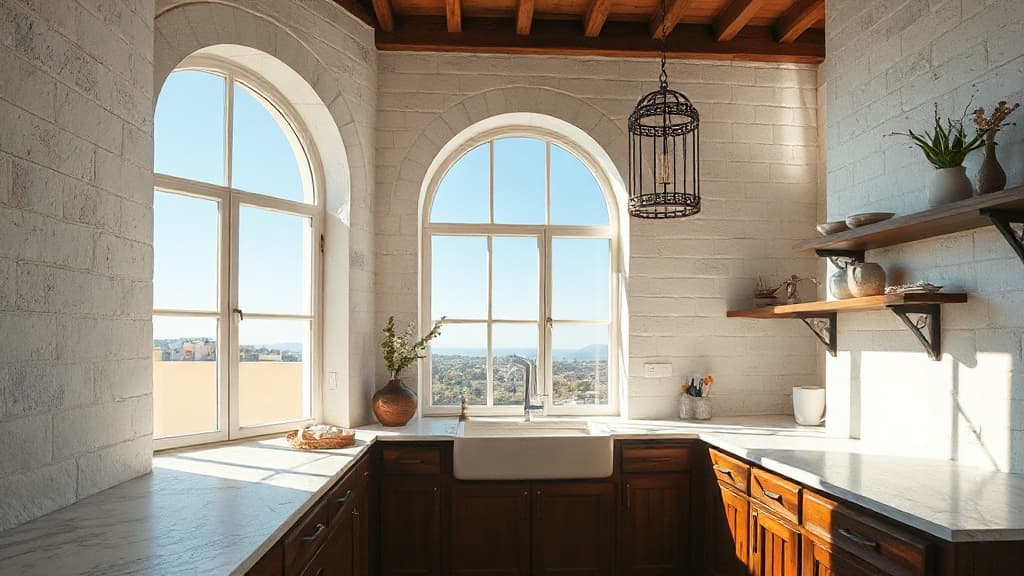
In the modern kitchen, the countertop is more than a mere stage for meal prep; it is the conductor of light, the textural anchor, and a canvas where detail becomes art. Its influence extends far beyond durability charts and stain resistance. The choice of surface material, its treatment, and the precision of its installation engage in a silent, powerful dialogue with light, shaping the atmosphere and defining the culinary space's very soul. This interplay of Materials, Light, and Detail transforms a functional plane into the heart of the home's narrative.
Material acts as the first filter for light. A honed Carrara marble, with its soft, porous matte finish, drinks in illumination, emitting a gentle, lunar glow that softens edges and creates a sense of serene volume. In stark contrast, a polished granite or quartzite surface becomes a liquid mirror, catching and throwing slivers of sunlight or the gleam of pendant lights in dynamic, reflective pools. These are not merely aesthetic choices but lighting strategies. A dark, leathered granite absorbs light, carving out a grounded, substantial presence, while a translucent onyx, backlit, becomes a source of ethereal, ambient light itself.
The magic, however, is often in the detail—the bevel of an edge, the reveal of an integrated sink, or the subtle reveal of a backsplash. A thick, waterfall edge on a monolithic slab showcases the material's depth and journey, its vertical plane catching lateral light to reveal the stone's internal geology. A meticulously crafted, tight joint between countertop and backsplash creates a clean, continuous plane that amplifies reflection and spatial simplicity. Conversely, a deliberate, shadow-line gap can create a floating effect, allowing the wall to breathe and adding a layer of architectural sophistication. These details are the punctuation marks in the sentence written by light and material.
Ultimately, selecting a counter surface becomes an exercise in sculpting with illumination. It requires asking not just what the surface is, but what it does with the light it receives. Does it diffuse, reflect, or transmit? Does its texture create a play of shadow that adds drama, or does its uniformity promote calm? By considering these three pillars in concert, the countertop rises to become the defining element of the kitchen's character. To continue exploring the foundation of culinary design, see more Kitchens stories.
Read Also
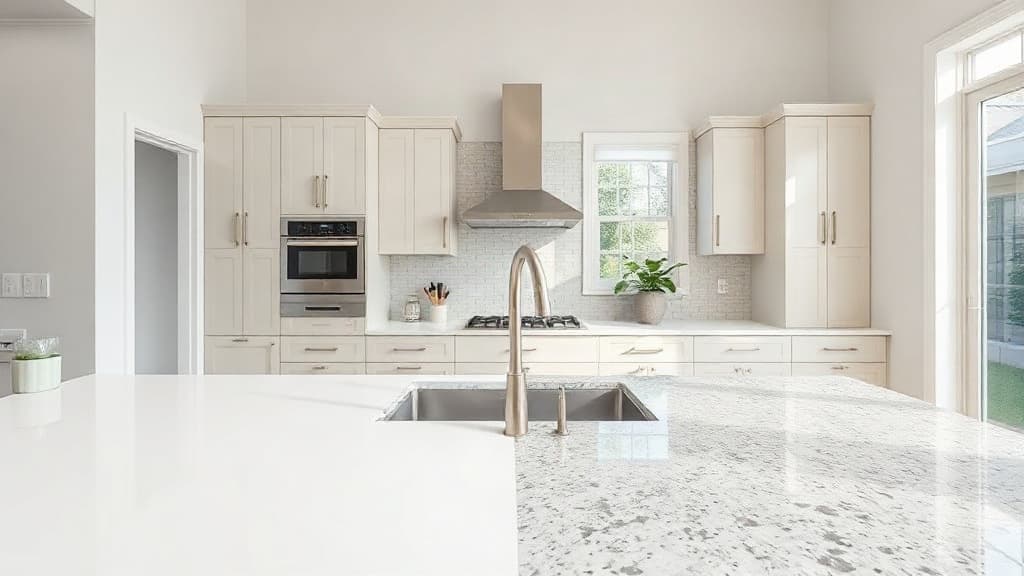
Quartz vs Granite Countertops: A Practical Comparison
Learn the key differences between quartz and granite countertops, including durability, maintenance, and cost, to help you choose the right material for your kitchen.
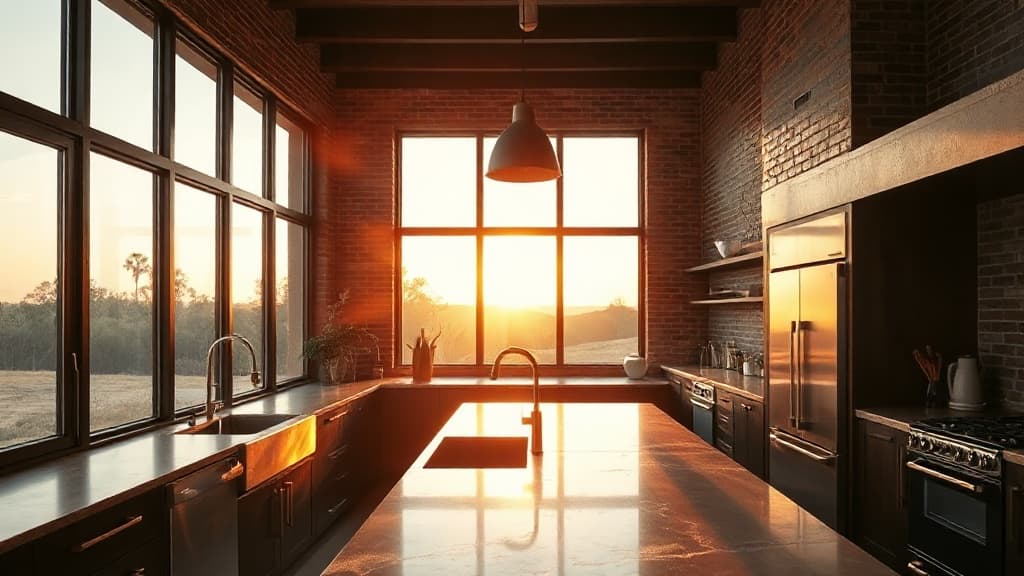
Countertops in Context: From Artistic Statement to Daily Companion
The true story of a kitchen countertop unfolds not just in its raw material, but in how it weathers a busy family's day and inspires the cook's touch.
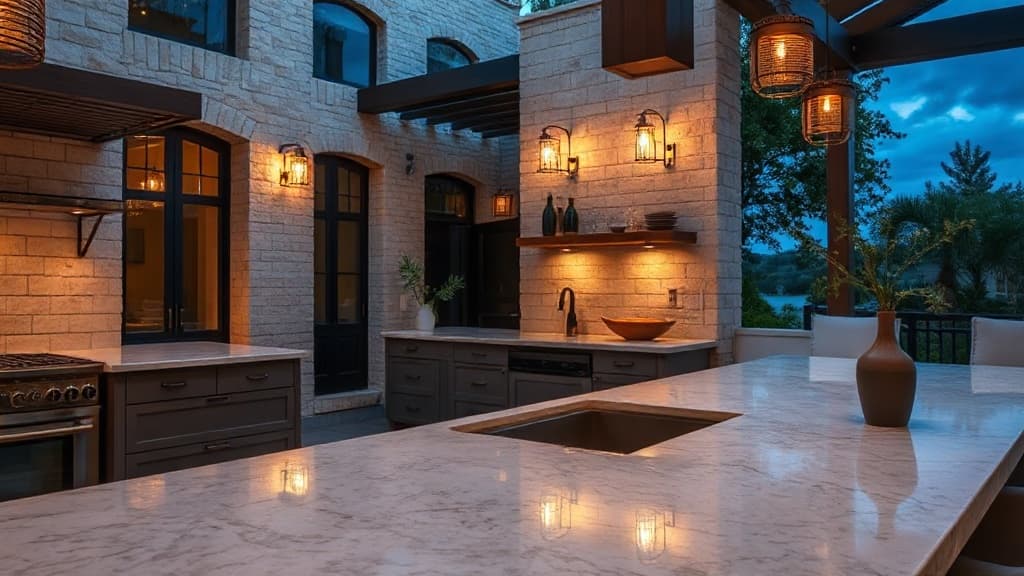
Your Countertop Compass: Navigating Choices Beyond Aesthetics
Selecting the perfect kitchen counter goes beyond color and pattern. Here's your practical guide to durability, maintenance, and value for your home.