In the Grain of Things: Cabinetry as a Canvas for Light
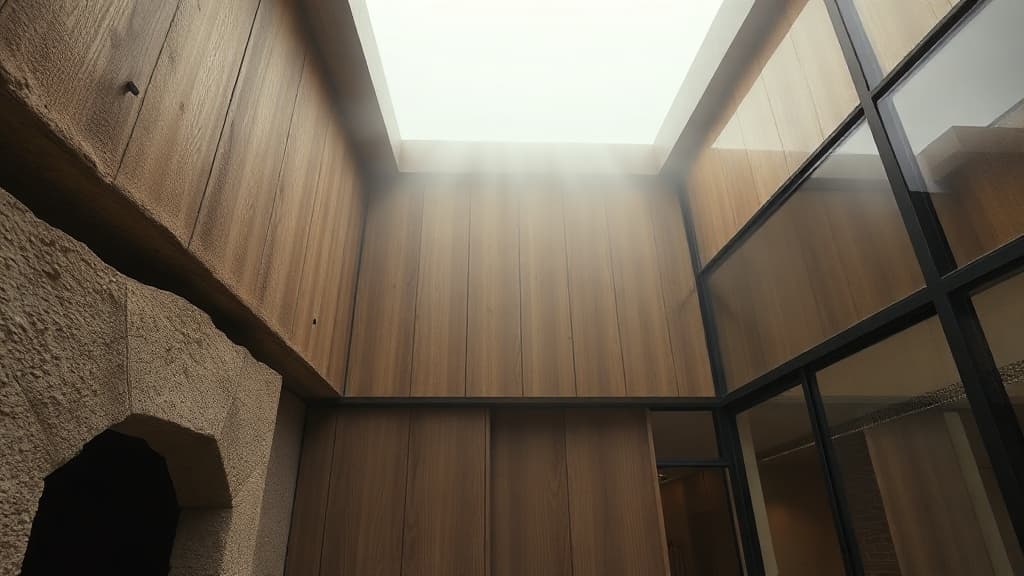
The modern kitchen is no longer a room of concealed functions. Today, cabinetry and its intelligent storage solutions form the very architecture of the space, a crafted landscape where the choice of material, the choreography of light, and the precision of detail converge to create an environment that is both highly functional and profoundly sensory. This trio—Materials, Light, Detail—does not merely decorate a kitchen; it composes its atmosphere, guiding our hands and soothing our minds as we move through the culinary day.
Material selection is the foundational text. The deep, matte whisper of oiled walnut offers a tactile warmth far removed from the cool, high-gloss declaration of lacquered acrylic. A flitch of quartersawn oak, with its pronounced medullary rays, tells a story of growth and grain that a uniform laminate cannot. These material choices are not just aesthetic; they are haptic guides. They determine how light behaves upon their surface—whether it is absorbed into a soft, velvety plane or skims across a reflective one, amplifying the sense of space. The choice of wood, composite, or metal for both cabinet fronts and internal organizers sets the tonal and textural stage for everything that follows.
It is light that gives this materiality its voice. Intelligent cabinetry design now integrates illumination as a core component, not an afterthought. LED strips recessed beneath upper cabinets erase shadows from countertops, while pinpoint task lighting inside deep drawers turns the search for a spice into a moment of clarity. Ambient lighting, softly washing across a textured plaster panel set into a bank of cabinetry, transforms a functional wall into a luminous canvas. The detail lies in the execution: the almost invisible joinery that allows for seamless integration of these light sources, the precisely milled finger grooves that catch a sliver of light to announce their presence, or the minimalist integrated handles that become subtle, shadow-lined grooves. These considered details reduce visual noise, allowing the material and light to perform their quiet duet.
Ultimately, smart storage is the silent orchestrator of this calm. It is the full-extension, softly-closing drawer that presents its contents without struggle; the corner carousel that banishes the black hole; the tailored insert that holds utensils in elegant order. This intelligence is not just practical—it is a design philosophy that prioritizes ease and serenity, ensuring the beauty of the surfaces is matched by the grace of their operation. To explore how these principles transform other culinary spaces, we invite you to see more Kitchens stories.
Read Also
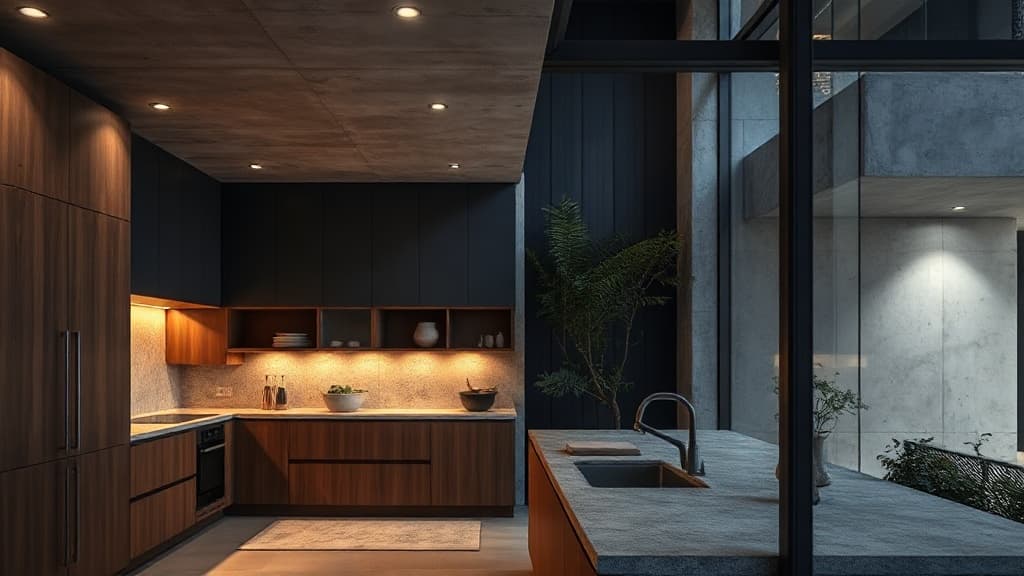
Hidden Dimensions: How Intelligent Storage Reorganizes Kitchen Life
Innovative cabinetry solutions that transform kitchens from cluttered workstations into fluid, inspiring environments for modern living.
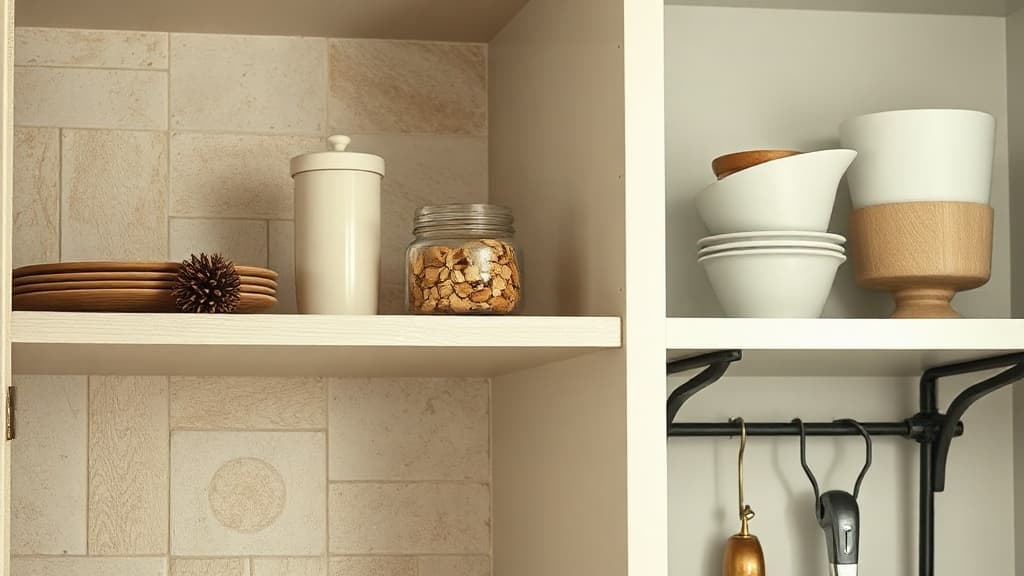
Storage Without Clutter: Smart Cabinetry Tactics for Everyday Living
Move beyond basic shelves. This guide offers practical strategies to transform your kitchen cabinetry into a hyper-functional, clutter-free zone tailored to your real-life routines.
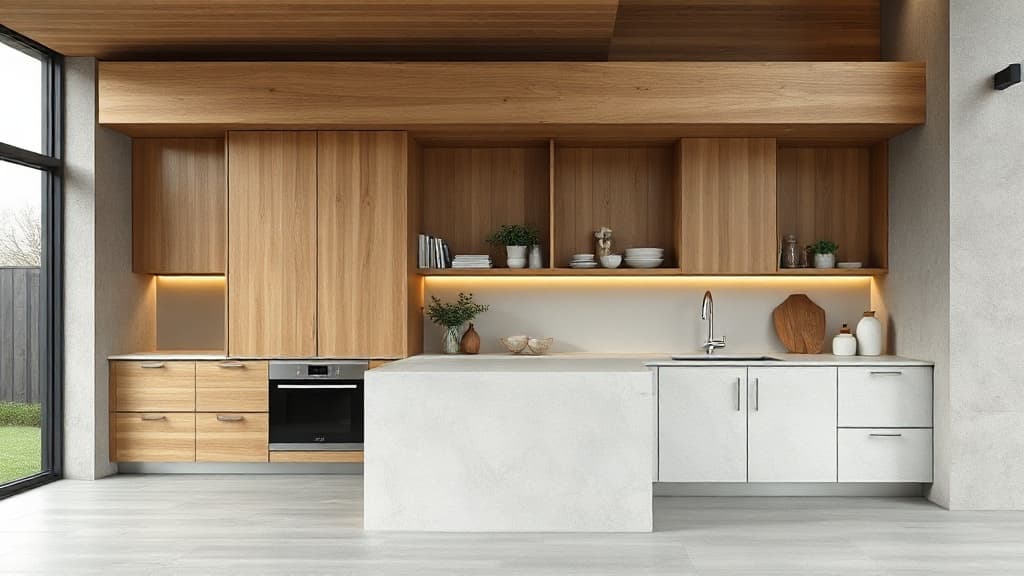
The Architecture of Order: Foundational Principles for Kitchen Cabinetry and Smart Storage
Beyond mere containment, today's kitchen storage is a study in architectural efficiency and personalized design, blending form and function to create serene, highly usable spaces.