The Architecture of Order: Foundational Principles for Kitchen Cabinetry and Smart Storage
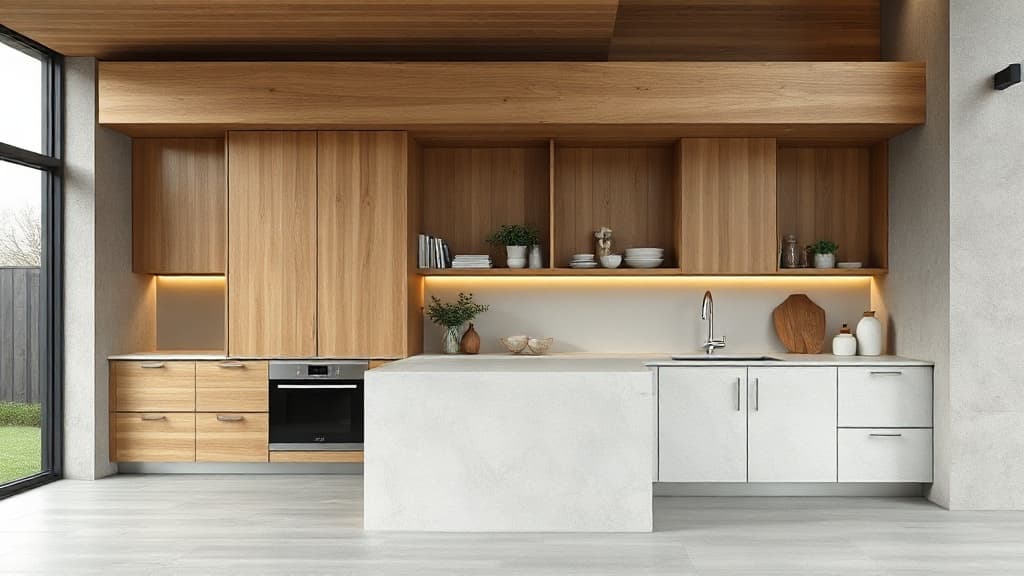
In the modern kitchen, storage is no longer an afterthought—it is a foundational architectural element. Cabinetry and integrated systems do more than just hide clutter; they define the room's rhythm, character, and, most importantly, its daily functionality. Moving beyond a simple tally of shelves and drawers, contemporary design views smart storage as a holistic exercise in spatial planning. The goal is to architect a kitchen where every tool, ingredient, and appliance has a considered place, creating an environment of serene efficiency and effortless flow.
The first principle is that of 'Anthropocentric Design'—storage that works for the human body and its movements. This begins with a critical assessment of the user's reach zones and daily rituals. Frequently used items must reside in the 'prime real estate' between hip and eye level, while lesser-used pieces can be stored higher or lower. This logic extends to specialized inserts: deep drawers for pots, pull-out trays for spices, and vertical dividers for baking sheets. The cabinetry itself becomes an extension of the cook, anticipating needs and minimizing unnecessary motion, bending, or searching. The materiality and hardware choices—soft-close mechanisms, full-extension glides, and ergonomic pulls—are not mere details but essential components that ensure this interaction is smooth, quiet, and durable.
Secondly, we must embrace the principle of 'Composed Transparency'. Modern storage design skillfully balances the visual weight of solid cabinetry with moments of intentional openness. The trend is not toward total concealment but toward curated revelation. Glass-front uppers can display beautiful dishware, while open shelving made from warm timber or sleek metal can break the monotony of a wall of doors. This interplay of closed and open, solid and void, creates visual interest and personality. The key is composition: these open elements must be thoughtfully arranged, treating the items on display as part of the kitchen's decor. The result is storage that feels less like a series of boxes and more like an integrated architectural feature with its own pleasing rhythm and texture.
Ultimately, intelligent kitchen storage is about creating a calm, ordered backdrop for the vibrant life that happens in front of it. By applying these core architectural principles—designing for the human form and composing with light and shadow—cabinetry transforms from a utilitarian necessity into the silent, elegant framework of the kitchen. For further inspiration on crafting this essential space, see more Kitchens stories.
Read Also
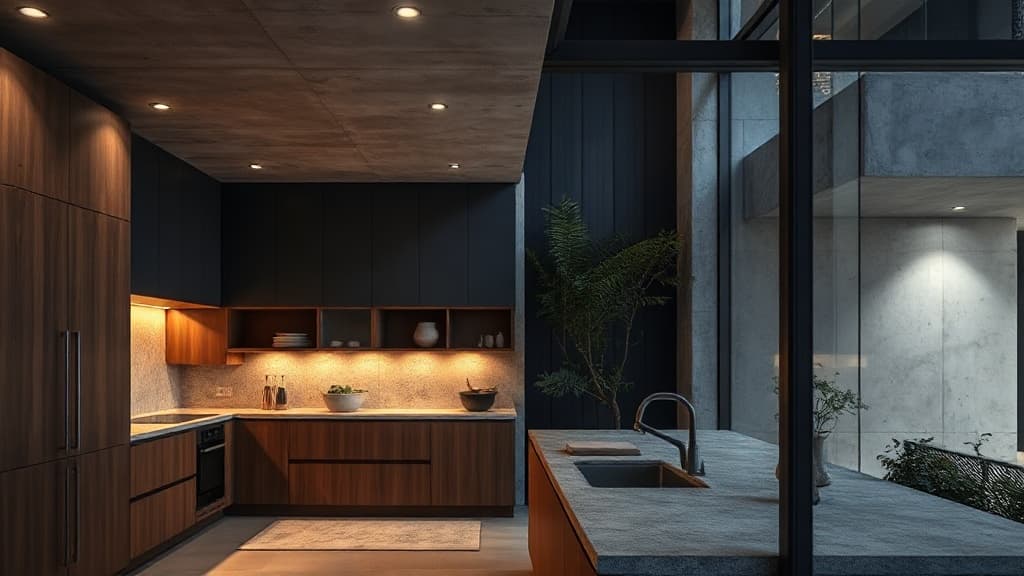
Hidden Dimensions: How Intelligent Storage Reorganizes Kitchen Life
Innovative cabinetry solutions that transform kitchens from cluttered workstations into fluid, inspiring environments for modern living.
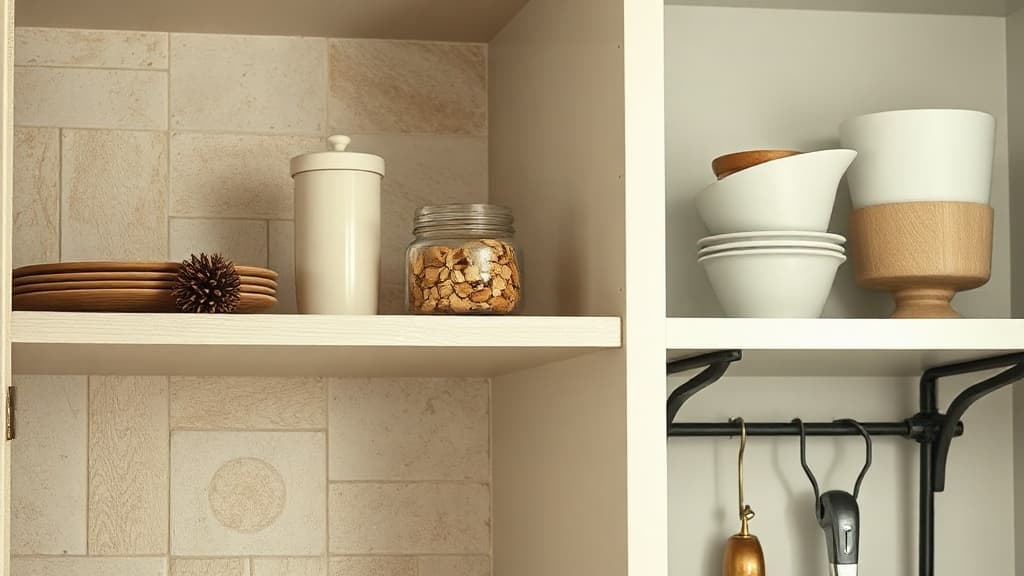
Storage Without Clutter: Smart Cabinetry Tactics for Everyday Living
Move beyond basic shelves. This guide offers practical strategies to transform your kitchen cabinetry into a hyper-functional, clutter-free zone tailored to your real-life routines.
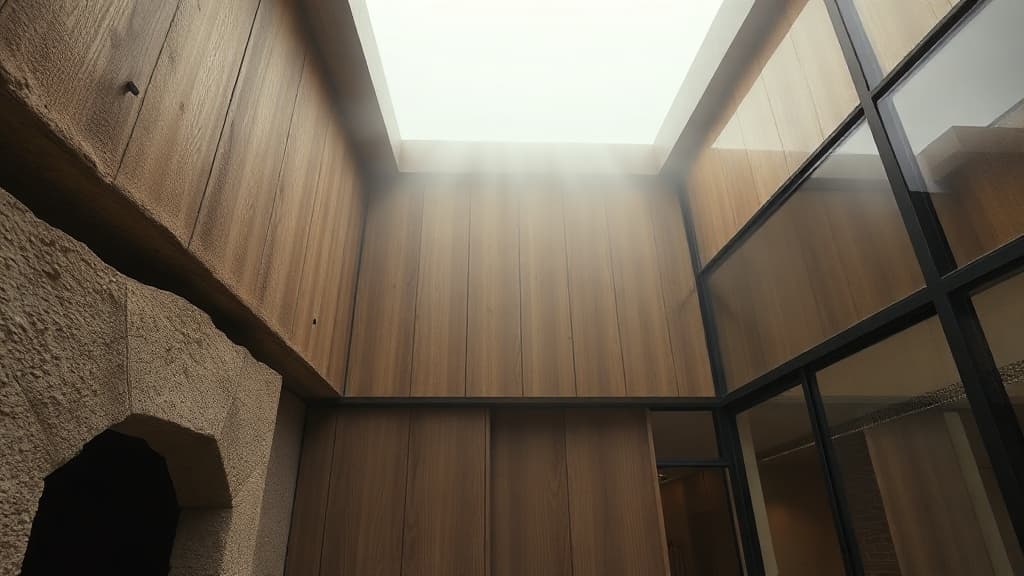
In the Grain of Things: Cabinetry as a Canvas for Light
Modern cabinetry transcends mere storage, becoming a dynamic interplay of material texture, intentional illumination, and thoughtful detailing that shapes our daily rituals.