21 Small Bedroom Ideas to Maximize Your Space
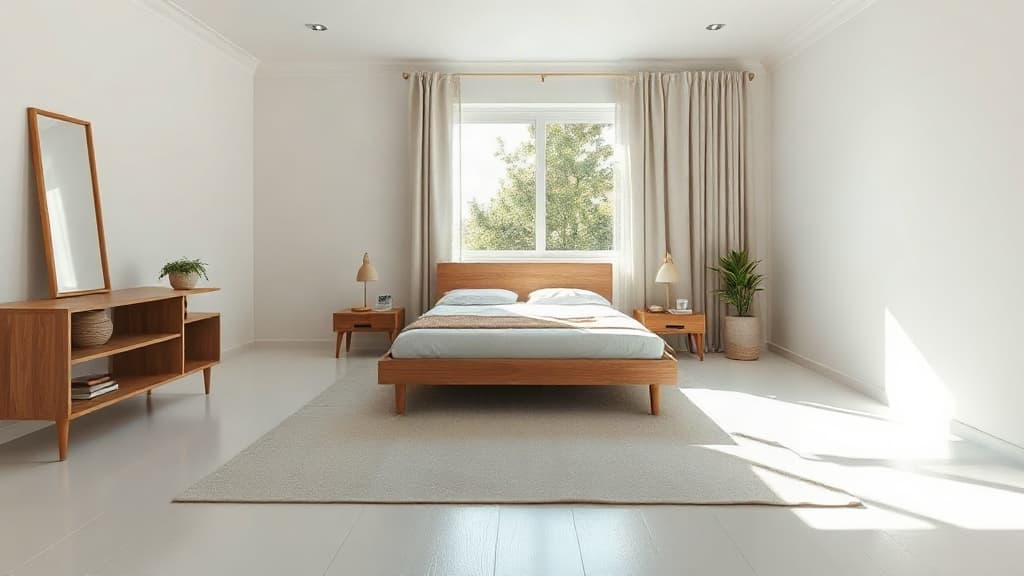
A small bedroom requires smart planning. You can create a comfortable, functional, and spacious-feeling room by choosing the right furniture, using color strategically, and incorporating clever storage. The goal is to make every element work hard for the space.
1. Choose a Low-Profile Bed Frame
A bed frame with a low headboard and a base that sits close to the floor makes the ceiling appear higher. Platform beds without bulky footboards are ideal. Avoid tall, heavy headboards and beds with deep skirtings or drawers underneath that visually fill the floor space. A frame that shows a strip of floor underneath, about 15-20 cm (6-8 inches) high, can make the room feel less crowded.
A common mistake is choosing a bed that is too large for the room. For a very tight space, consider a full-size (double) bed instead of a queen. Ensure there is at least 60 cm (24 inches) of clearance on each side for walking and opening drawers. A bed placed against a wall in a corner can free up floor area but makes making the bed more difficult.
2. Paint Walls and Ceiling the Same Light Color
Using one light, neutral color on all walls and the ceiling eliminates visual boundaries, making the room feel like a larger, continuous box. Soft whites, pale grays, or very light beiges are reliable choices. A matte or eggshell finish helps diffuse light and hides minor imperfections better than a gloss. This single-color approach is more effective than an accent wall, which can visually shrink a room.
For the trim and doors, use the same color as the walls but in a semi-gloss finish for durability and a subtle definition. This creates a clean, unified look without harsh contrasts that break up the space. If you want a hint of color, choose a very pale tint for all surfaces rather than a bold shade on one wall.
3. Install Wall-Mounted Nightstands
Floating nightstands or wall-mounted shelves free up valuable floor space, making the area around the bed feel more open. A simple shelf 35-40 cm (14-16 inches) deep is sufficient for a lamp, phone, and book. Mount it at or just above mattress height, typically 60-70 cm (24-28 inches) from the floor. This creates a clear line of sight under the furniture.
Ensure the mounting is secure to hold the weight. For a more finished look, choose a shelf with a small lip or a design that incorporates a slender drawer. This eliminates the need for a bulky table leg, giving you more footroom and making cleaning the floor easier. It's a simple change with a significant impact on perceived space.
4. Use a Large, Light-Colored Rug
A large area rug that sits under the bed and extends on the sides and foot creates a defined zone, making the floor plan feel intentional and expansive. Choose a rug in a light solid color or a very subtle, small-scale pattern. A rug that is too small, floating in the middle of the room, will make the room feel fragmented and smaller.
The ideal size extends at least 60-90 cm (24-36 inches) beyond the sides of the bed. For a full-size bed, a 2.3m x 1.6m (8' x 5'3") rug is a good minimum. Natural fibers like jute or light wool are good options. The rug should anchor the bed and connect to other furniture, like a bench at the foot, to unify the layout.
5. Opt for a Sliding or Pocket Door
A standard swinging door can use up to 1 square meter (about 10 square feet) of clear floor space for its arc. Replacing it with a sliding door or a pocket door that disappears into the wall reclaims that entire area for furniture placement or circulation. This is one of the most effective structural changes for a small bedroom.
Pocket doors require modifying the wall framing, while sliding doors need a track and a blank wall to slide against. A frosted glass sliding door can also allow borrowed light from a hallway. If changing the door isn't possible, ensure the existing door can swing fully against a wall without hitting furniture, and avoid placing any item in its swing path.
6. Mount Curtains High and Wide
Hang curtain rods close to the ceiling and extend them 15-25 cm (6-10 inches) beyond the window frame on each side. When the curtains are open, they will frame the entire window, making it appear larger and allowing maximum light entry. Use floor-length curtains that just graze the floor to emphasize verticality.
Choose lightweight fabrics like linen or cotton in light colors. Avoid heavy, dark drapes that absorb light. This setup tricks the eye into seeing the window as a bigger light source and draws attention upward. Ensure the rods are sturdy enough to hold the curtains without sagging in the middle.
7. Implement Vertical Storage
Utilize the full height of your walls for storage to keep the floor clear. Install shelving units that go up to the ceiling for books, baskets, and decorative items. A tall, narrow wardrobe or armoire is more space-efficient than a wide, low one. The space above a door frame is also perfect for a shallow cabinet for seasonal items.
When arranging items on tall shelves, place frequently used objects at mid-level and lighter, less-used items higher up. Consistent baskets or bins on upper shelves create a neat, uniform look. This approach moves storage into unused vertical air space, which is often wasted in small rooms.
8. Select a Mirror to Reflect Light
A single large mirror is more effective than several small ones. Place it on a wall perpendicular to a window to bounce natural light deep into the room, effectively doubling the light source. A floor-leaning mirror or a wall-mounted one that is at least 90 cm (36 inches) tall creates a convincing illusion of extra depth.
Avoid placing a mirror directly opposite a cluttered corner, as it will simply double the visual noise. A mirror with a thin, simple frame or no frame at all is least intrusive. The reflection should capture something pleasant, like the window or a tidy part of the room, to enhance the sense of space.
9. Simplify Bedding and Window Treatments
Busy patterns on duvet covers and lots of throw pillows can make a small bed feel overwhelming. Stick to solid colors or very subtle, tonal textures for your main bedding. One or two standard sleeping pillows and a single decorative cushion are sufficient. A streamlined bed looks larger and makes the room feel calmer.
For windows, simple roller shades or Roman shades in a neutral fabric can sit flush within the window frame when up, becoming nearly invisible. If you use curtains, as suggested earlier, keep them plain. The less visual complexity at the room's largest planes (the bed and the windows), the more spacious it will feel. You can find more Bedrooms & Lounges ideas to refine this minimalist approach on our site.
10. Use Multi-Functional Furniture
Every piece in a small bedroom should serve more than one purpose. A storage ottoman at the foot of the bed provides seating and hides blankets. A desk can double as a vanity with the right stool. Look for beds with built-in drawers or choose a bench that opens for storage. This reduces the total number of items in the room.
When shopping, measure your space precisely and look for pieces with a slim profile. A narrow console table against a wall can function as a desk, a display shelf, and a landing spot for keys. The goal is to consolidate functions so you don't need a separate chair, table, and chest of drawers where one hybrid piece could work.
Looking for more? Browse more Bedrooms & Lounges ideas.
Key takeaways
Keep the color palette light and unified to expand the walls visually. Choose furniture that is scaled to the room and prioritizes clear floor space. Use the full height of the room for storage to keep surfaces clutter-free. Control light with mirrors and well-hung curtains to make the room feel brighter and larger.
Frequently Asked Questions
What color makes a small bedroom look bigger?
Painting walls, trim, and ceiling the same light, neutral color is most effective. Soft whites, pale grays, or light beiges eliminate visual stops, making the room feel like one continuous space. Avoid dark accent walls as they can make the room feel boxed in.
What is the best bed for a small bedroom?
A low-profile platform bed without a footboard is ideal. It makes the ceiling feel higher. Ensure the bed size leaves at least 60 cm (24 inches) of walking space on each side. In very tight rooms, a full-size bed is often better than a queen.
How can I add storage to a small bedroom without clutter?
Use vertical space with floor-to-ceiling shelves or a tall wardrobe. Choose furniture with built-in storage, like a bed with drawers or an ottoman that opens up. Keep items in matching bins or baskets on shelves for a tidy, uniform appearance.
Where should I put a mirror in a small bedroom?
Place a large mirror on a wall perpendicular to a window. This reflects natural light deep into the room, making it feel brighter and more open. Avoid placing it opposite clutter, and choose a simple, frameless design for the least visual interruption.
Read Also

From Dawn to Dusk: Creating Spaces That Move With You
How the most successful bedrooms and lounges aren't just designed for one purpose, but seamlessly transition through the rhythms of a day, using design to enhance both private reflection and shared connection.

The Dual Realm: Strategic Design for Bedrooms and Lounges
Move beyond aesthetics with actionable strategies to design your bedroom for restorative sleep and your lounge for effortless connection, creating sanctuaries that truly function for you.
A Philosophy of Rest: The Bedroom and Lounge, Transformed by Materials, Light & Detail
In the most intimate rooms of the home, a subtle alchemy of substance, illumination, and meticulous craftsmanship redefines the very experience of rest and repose.