Guide
The Dual Realm: Strategic Design for Bedrooms and Lounges

We often speak of bedrooms as sanctuaries and living rooms as stages for social life, yet the design that bridges these two essential realms is a practical art. It's less about following fleeting trends and more about crafting environments that actively support the rhythms of daily life—rest in one room, connection in the other. For homeowners, this means moving beyond a purely decorative mindset to implement strategic choices that enhance function, comfort, and personal well-being. The following tips offer a foundation for creating spaces that are not only beautiful but intelligently attuned to their purpose.
Begin in the bedroom by mastering the hierarchy of comfort. Your primary investment should be in what you cannot see: superior blackout curtains for circadian rhythm support, and a high-quality mattress that defines your sleep quality for years. Layer these fundamentals with texture—a plush rug to greet bare feet, breathable linen sheets—to build a tactile experience that signals rest. Lighting is non-negotiable; install dimmers and use warm-toned, low-wattage bedside lamps to replace harsh overhead lights, creating a graduated path to slumber. Finally, enforce a policy of visual calm by integrating closed storage. A dedicated cabinet or stylish trunk for clutter is more valuable than any decorative object, protecting the room's primary function as a retreat.
The lounge, by contrast, is a realm of controlled energy. Here, functionality demands a layout that fosters interaction. Arrange seating to encourage conversation, typically in a U-shape or facing arrangement, ensuring a clear traffic flow to key areas like bookshelves or a console. Anchor the space with a properly sized rug that ties the furniture grouping together. For multi-use spaces, employ flexible elements like nesting tables, storage ottomans, or a slim console behind the sofa to handle drinks, games, or work paraphernalia without permanent visual intrusion. Lighting should be multi-layered: ambient light for overall brightness, task lighting for reading, and accent lights to highlight art or architecture, allowing you to modulate the room's mood for a quiet evening or a lively gathering.
Ultimately, the most successful homes are those where design serves daily life. By applying these pragmatic principles, you create a bedroom that genuinely restores and a lounge that effortlessly connects. For further inspiration on crafting your personal havens, [see more Interiors stories](/interiors/bedrooms-lounges).
Read Also
Design
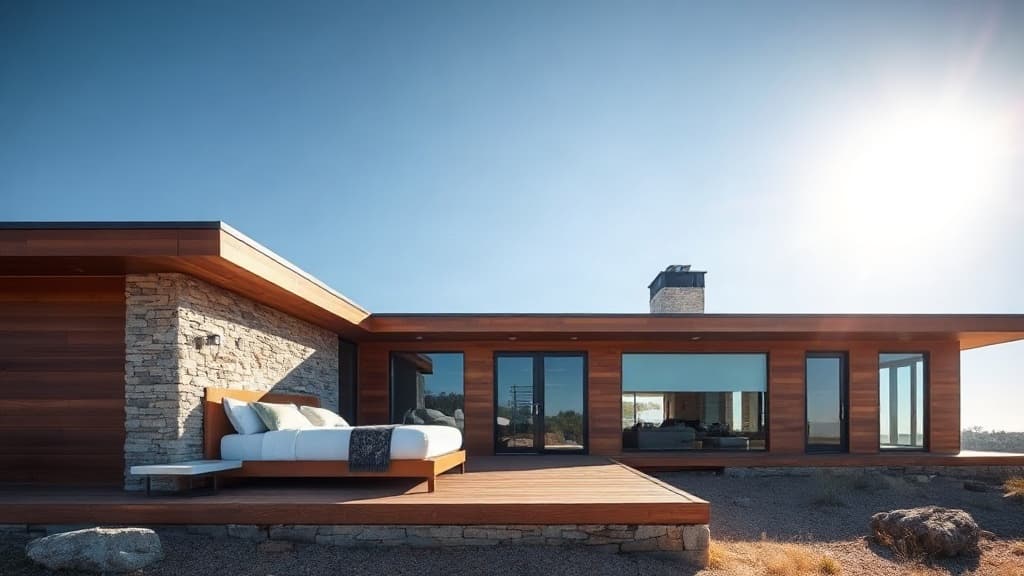
From Dawn to Dusk: Creating Spaces That Move With You
How the most successful bedrooms and lounges aren't just designed for one purpose, but seamlessly transition through the rhythms of a day, using design to enhance both private reflection and shared connection.
Design
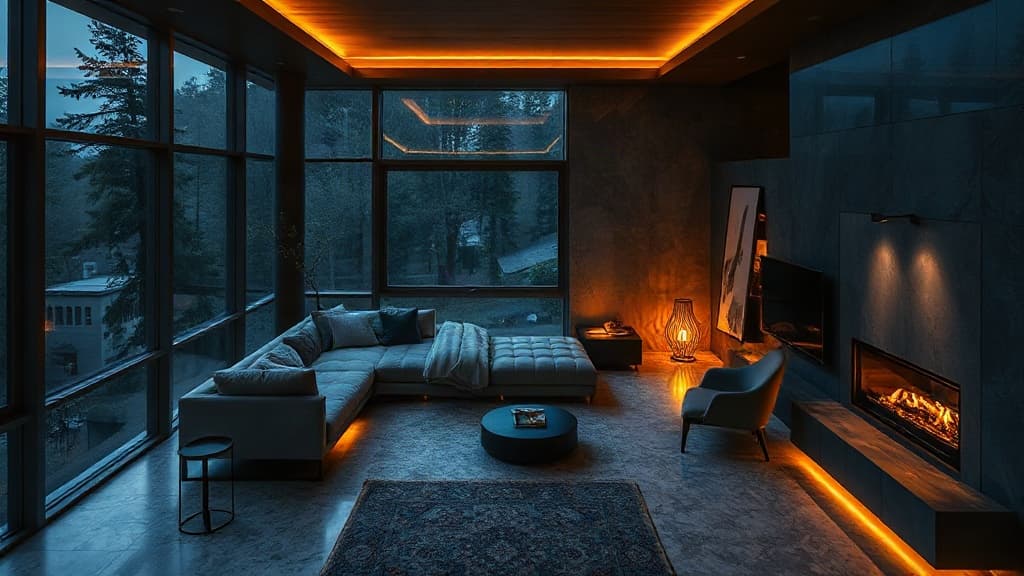
A Philosophy of Rest: The Bedroom and Lounge, Transformed by Materials, Light & Detail
In the most intimate rooms of the home, a subtle alchemy of substance, illumination, and meticulous craftsmanship redefines the very experience of rest and repose.
Design
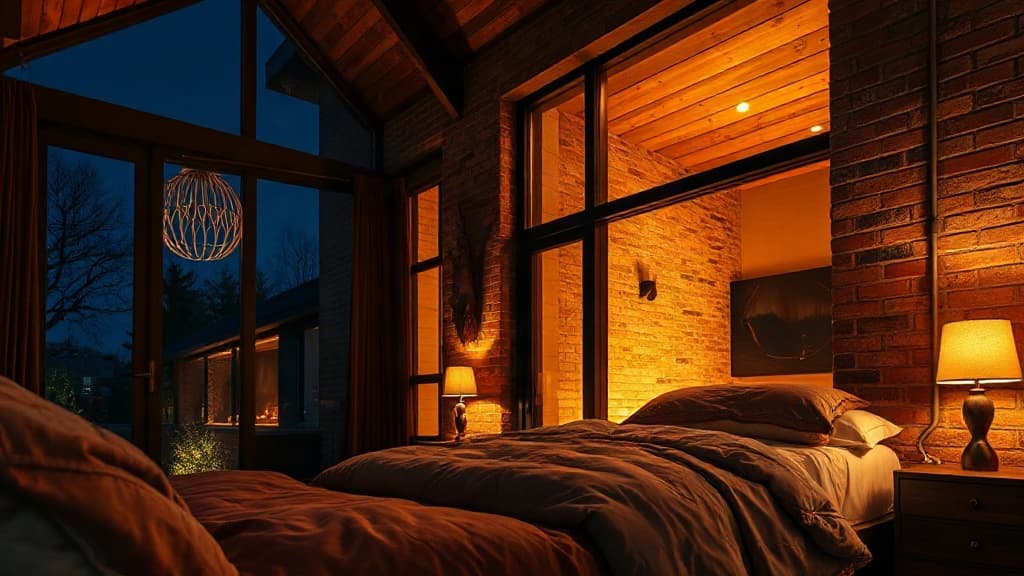
The Sanctuary and the Stage: Foundational Design for Private and Social Realms
Exploring the core principles that separate the deeply personal retreat of the bedroom from the performative social canvas of the lounge.