The Counterpoint: Design Principles for Kitchen Countertops
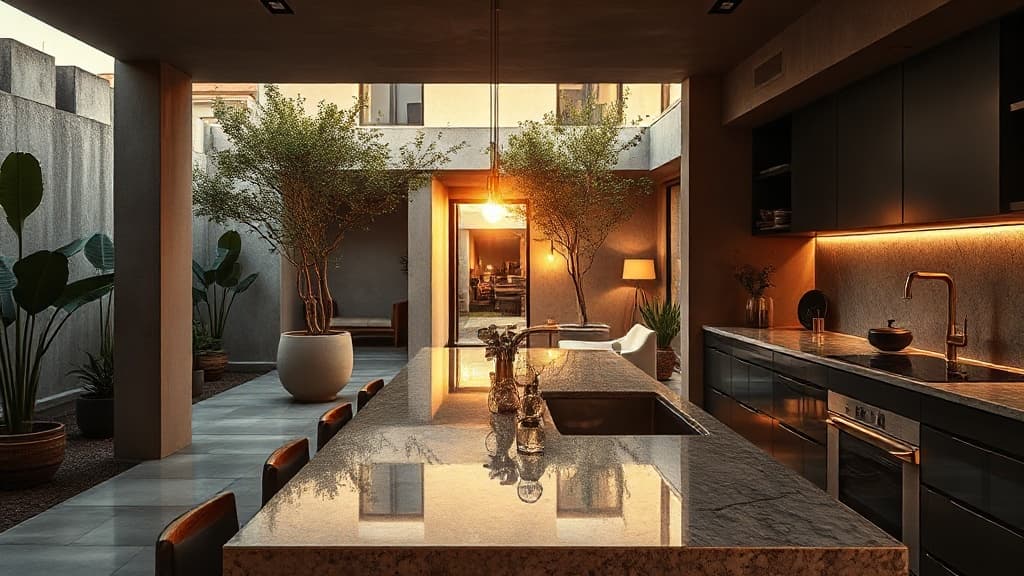
In the culinary theatre of the home, the kitchen countertop is the undisputed stage. It is the plane upon which daily life unfolds, from the quiet ritual of morning coffee to the orchestrated chaos of a family dinner. Yet, its role transcends mere utility. The choice of counter surface is a pivotal design decision, a balancing act between enduring performance and aesthetic intent. It sets the tone, anchors the palette, and ultimately, speaks volumes about the kitchen's soul. To navigate this essential element, we turn to foundational design principles that move beyond trends to create spaces that are both beautiful and brilliantly functional.
The principle of harmony governs the relationship between countertop and cabinetry. A seamless, monolithic surface of polished concrete or quartz can create a sense of serene modernity when paired with sleek, handle-less cabinets. Conversely, the rich, organic veining of a marble slab might find its counterpoint in the warm, tactile grain of stained oak fronts. The goal is not matchiness, but a thoughtful dialogue where materials complement and elevate one another. This extends to the backsplash and flooring, creating a cohesive narrative rather than a collection of disparate samples.
Durability and maintenance form the critical, practical core of the decision. Aesthetics must be tempered with the reality of use. A passionate baker might prioritize the cool, smooth perfection of marble for pastry work, accepting its need for careful sealing. A busy family kitchen, however, might demand the non-porous, stain-resistant fortitude of engineered quartz or sintered stone. The choice here is deeply personal, reflecting not just style, but lifestyle. Consider the rhythm of your home: are you seeking a low-maintenance partner, or a material with a patina that tells a story?
Finally, consider the countertop as an opportunity for texture and detail. The honed finish of a limestone island offers a soft, matte feel underhand, contrasting beautifully with glossy tile. A thick, waterfall-edge counter in terrazzo becomes a sculptural element in itself. These are the details—the edge profiles, the finish, the integration of sinks and drains—that transform a surface into a considered design feature.
Ultimately, the perfect countertop emerges not from a catalogue, but from a clear understanding of these interwoven principles: harmony with its surroundings, honesty about its daily duties, and a celebration of its textural potential. It is the foundational layer upon which the kitchen’s story is built, a story best told one carefully considered detail at a time. For deeper dives into material specifics and inspirational case studies, see more Kitchens stories.
Read Also
Quartz vs Granite Countertops: A Practical Comparison
Learn the key differences between quartz and granite countertops, including durability, maintenance, and cost, to help you choose the right material for your kitchen.
Countertops in Context: From Artistic Statement to Daily Companion
The true story of a kitchen countertop unfolds not just in its raw material, but in how it weathers a busy family's day and inspires the cook's touch.
Your Countertop Compass: Navigating Choices Beyond Aesthetics
Selecting the perfect kitchen counter goes beyond color and pattern. Here's your practical guide to durability, maintenance, and value for your home.