Design
The Foundation of Serenity: Design Principles for Bathrooms and Personal Spas
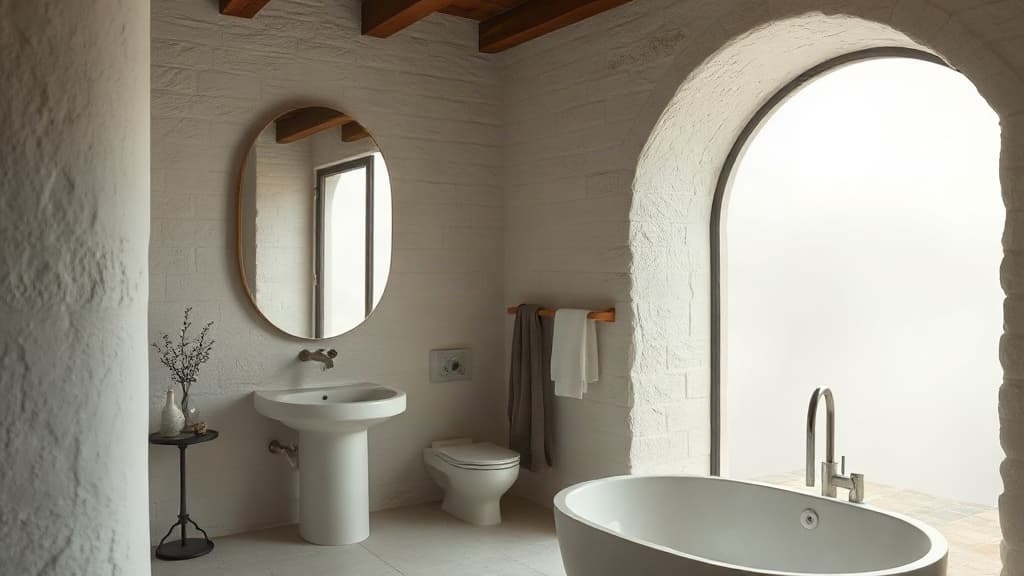
Once a purely utilitarian afterthought, the bathroom has undergone a profound transformation. Today, it stands as a central sanctuary within the home—a personal spa where the day begins and ends in tranquility. This evolution demands a new design ethos, one that prioritizes serenity, sensory experience, and holistic well-being. Creating such a space is not merely about high-end fixtures but about applying foundational principles of spatial harmony, material integrity, and enlightened functionality.
At the heart of any successful bathroom or spa design lies the principle of spatial choreography. This is the deliberate organization of space to facilitate a seamless, ritualistic flow. It considers the journey from cleansing to relaxation, ensuring each zone—from the shower to the vanity to the bathing area—feels intuitively placed and generous. A well-choreographed layout eliminates clutter and congestion, which are antithetical to calm. This often involves strategic use of partitions, both opaque and transparent, to define areas without sacrificing a sense of openness. The goal is to create an environment that feels expansive, even in a compact footprint, guiding the occupant through a curated experience of renewal.
The second pillar is the tactile and visual symphony of materials. In a space defined by water and steam, material choices carry immense weight, both functionally and aesthetically. Surfaces should invite touch and reward the eye: the warm, organic grain of reclaimed teak on a wet floor, the cool, solid feel of honed limestone underfoot, the soft reflection of light on handmade zellige tiles. Durability and ease of maintenance are non-negotiable, but they need not come at the cost of beauty. The modern palette leans towards natural textures, matte finishes, and a restrained color story—earthy neutrals, soft mineral hues, and muted tones that soothe rather than stimulate. This materiality extends to lighting, where layers of illumination (ambient, task, accent) are used to sculpt the space, mimicking the gentle arc of natural daylight and allowing for adjustment from invigorating morning brightness to the soft, candle-like glow of evening.
Ultimately, the most profound principle is designing for the senses and the self. A personal spa is a retreat that should cater to individual rituals and promote mindfulness. This means integrating elements that engage beyond the visual: the sound of water from a perfectly tuned rain shower, the scent diffused by essential oil trays, the warmth of a heated towel bar or underfloor system. Storage is designed to be absolute and invisible, banishing daily clutter to dedicated niches and cabinets, preserving the clean, monastic lines that foster mental clarity. Every detail, from the weight of a faucet lever to the depth of a soaking tub, is considered for its contribution to a restorative experience.
By mastering these principles—choreography, materiality, and sensory engagement—the bathroom transcends its basic function to become a true haven for well-being. For further inspiration on crafting these intimate retreats, [see more Interiors stories](/interiors/bathrooms-spa).
Read Also
Design
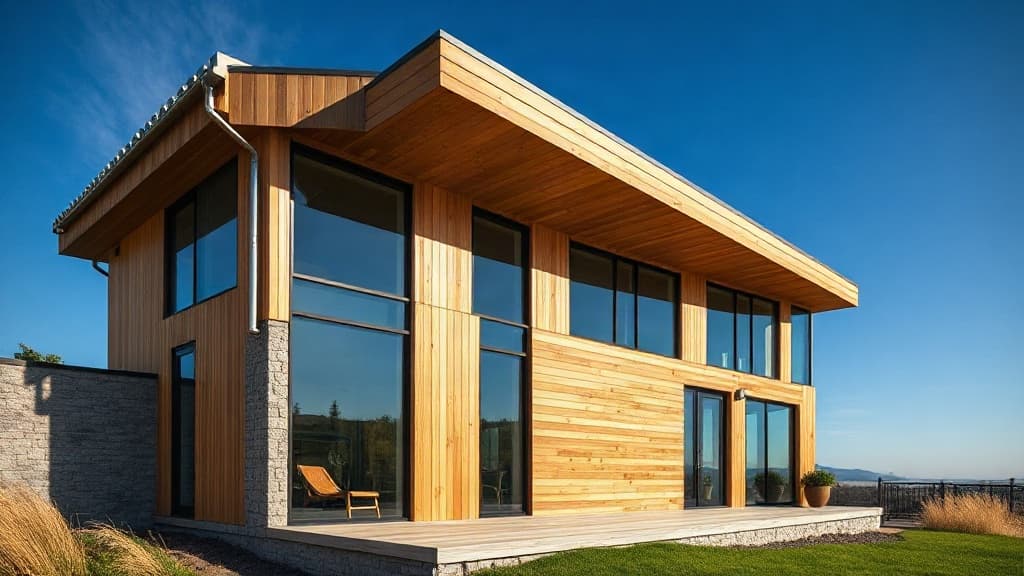
Sensorial Sanctuaries: Where Bathrooms and Spas Transcend Function
Moving beyond pure utility, the contemporary personal spa is a crafted sensory journey. We explore how material tactility, orchestrated light, and meticulous detail converge to create sanctuaries of wellness.
Design
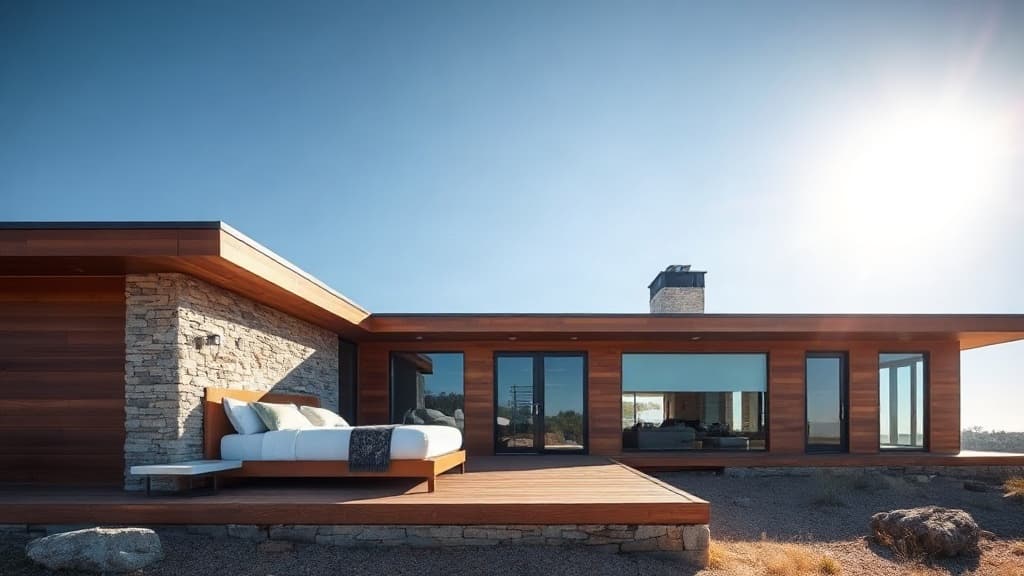
From Dawn to Dusk: Creating Spaces That Move With You
How the most successful bedrooms and lounges aren't just designed for one purpose, but seamlessly transition through the rhythms of a day, using design to enhance both private reflection and shared connection.
Guide
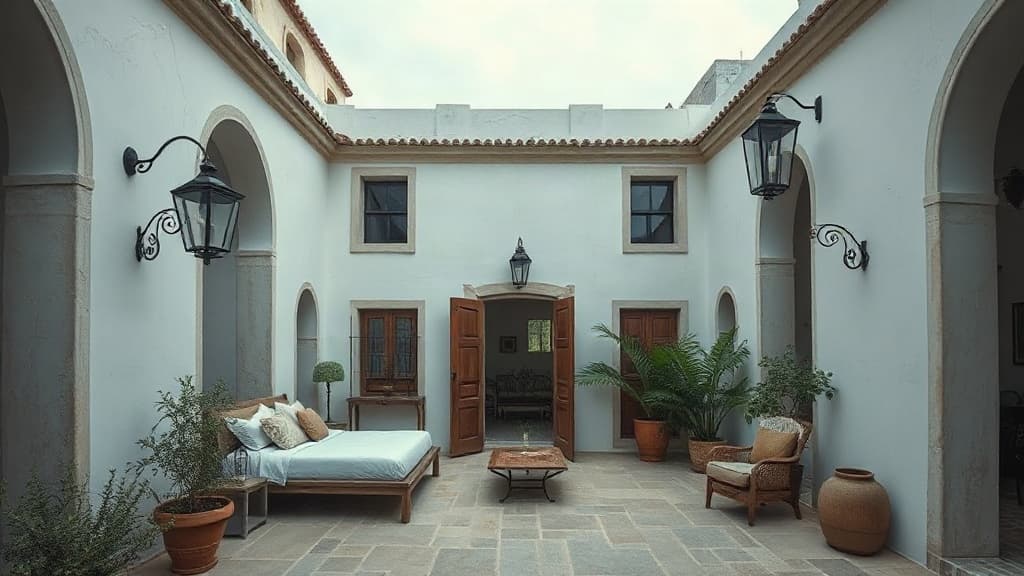
The Dual Realm: Strategic Design for Bedrooms and Lounges
Move beyond aesthetics with actionable strategies to design your bedroom for restorative sleep and your lounge for effortless connection, creating sanctuaries that truly function for you.