The Functional Fusion: Blending Kitchen Islands & Dining Nooks Seamlessly
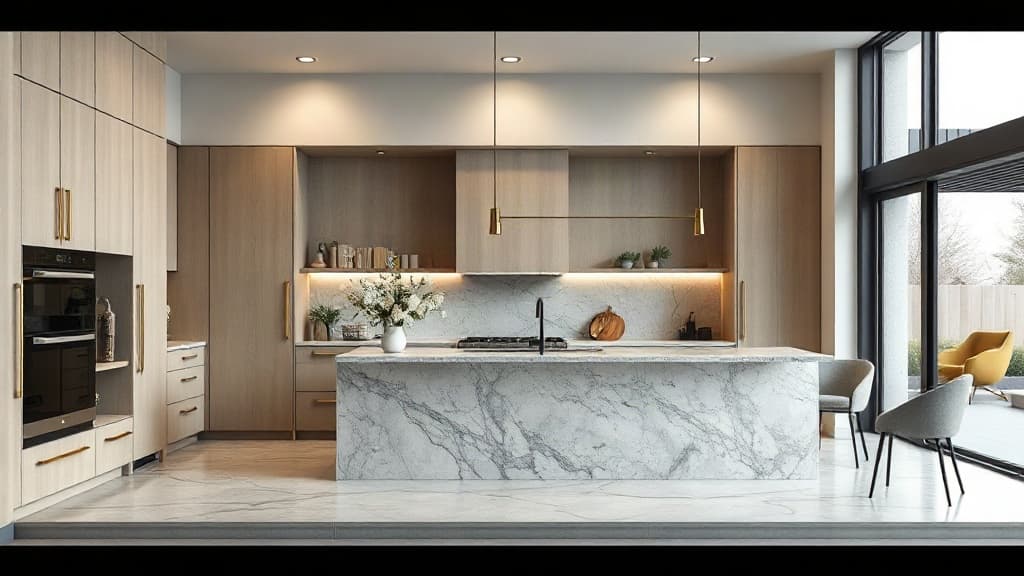
In today's home, the kitchen is no longer just a utilitarian space for meal preparation; it's a command center, a social hub, and often, the de facto dining room. This evolution has elevated two features from mere furniture to foundational elements of design: the kitchen island and the dining nook. Successfully merging these two zones is less about following a trend and more about solving a practical equation for modern living. For homeowners planning a renovation or a new build, the goal is to create a space that flows, functions, and fosters connection without sacrificing an inch of utility.
First, consider the architecture of flow and proportion. An island should serve as a magnetic anchor, not a blockade. Ensure there is a clear, navigable path of at least 42 inches (107 cm) around all sides to allow for smooth traffic between cooking, cleaning, and seating areas. If your nook is adjacent to or incorporated into the island, think of them as a single unit. The counter overhang for bar seating should be a minimum of 15 inches (38 cm) deep for comfort, and the height differential—typically 9-12 inches (23-30 cm) between standard counter height (36") and bar height (42-45")—should feel intentional, not like an afterthought. This layered approach creates visual interest and defines zones within the open plan.
Second, prioritize multi-functional design tailored to your lifestyle. An island can effortlessly incorporate a dining nook by extending one side with a lowered table segment or a waterfall counter that doubles as a table edge. For smaller kitchens, a peninsula with a rounded end can cradle a intimate two-person booth. Choose materials that bridge the gap between prep and dine: a durable quartz countertop for the main workspace that transitions to a warmer wood surface on the dining side. Storage is key—designate island cabinets for items used in both contexts, like everyday plates, glasses, or linens, so everything is within arm's reach during meal setup and cleanup.
Ultimately, the magic lies in the details that make the space feel cohesive and lived-in. Consistent lighting, such as a series of pendants over the island that subtly echo a fixture above the nook, ties the areas together. Seating is critical; mix counter stools for quick meals with a built-in banquette in the nook for longer, leisurely gatherings. The upholstery and finishes should speak the same design language, creating a harmonious narrative from the cooking surface to the dinner plate. For a wealth of further inspiration on making your kitchen the ultimate gathering place, see more Kitchens stories.
Read Also
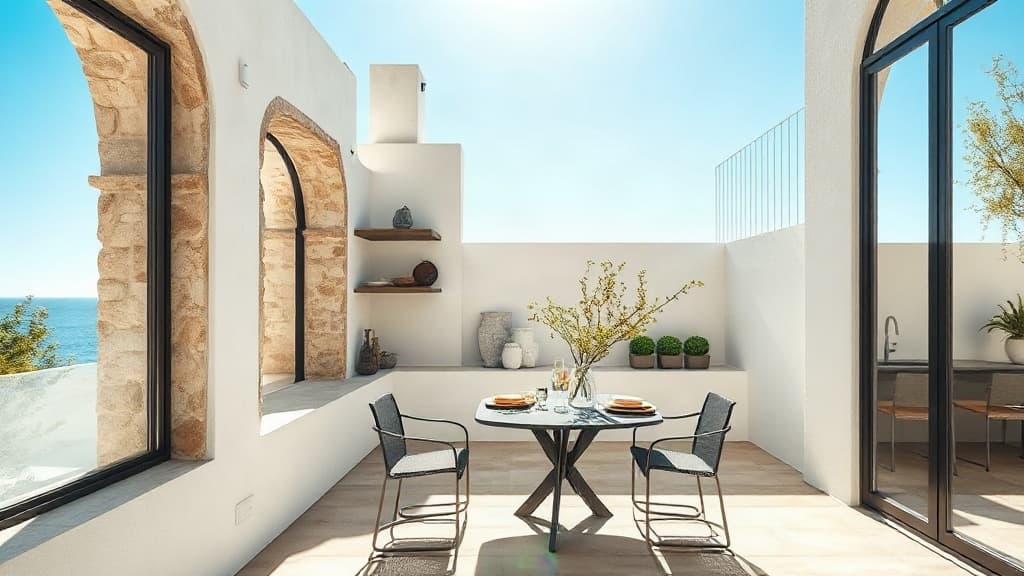
Beyond the Workhorse: Kitchen Islands and Dining Nooks as Personal Statements
Moving beyond mere utility, today's kitchen islands and dining nooks are curated spaces for self-expression, blending personal collections with innovative design.
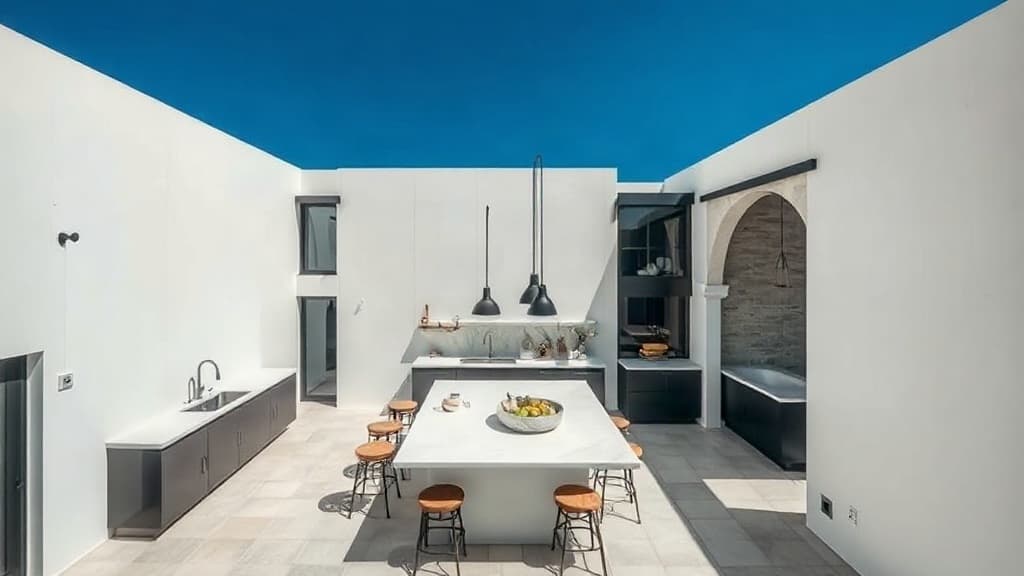
Kitchen Alchemy: How Materials, Light & Detail Transform Islands & Nooks
Beyond mere functionality, the soul of the kitchen's gathering spaces is forged in the interplay of surface, illumination, and considered detail.
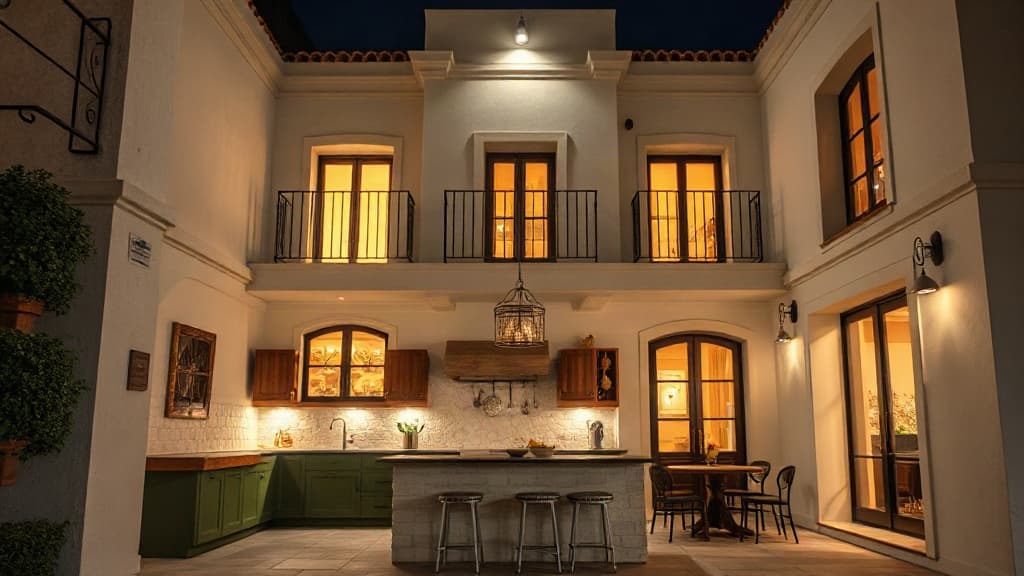
The Social Nexus: Principles for Kitchen Islands and Dining Nooks
Explore how kitchen islands and dining nooks merge function with fellowship through essential design principles for modern living.