The Social Nexus: Principles for Kitchen Islands and Dining Nooks
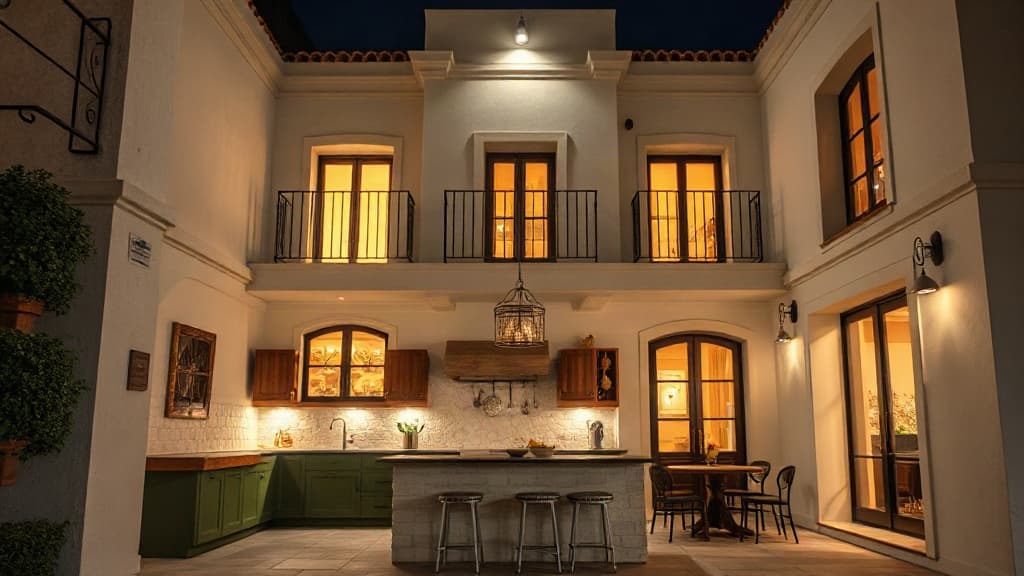
The contemporary kitchen has transcended its utilitarian origins to become the dynamic heart of the home, a place where cooking, dining, and socializing converge. Central to this evolution are two design elements: the kitchen island and the dining nook. These features amplify practicality while fostering connection, transforming the kitchen into a true gathering space. An overview of their core design principles reveals how to harness their potential for both beauty and efficiency.
Kitchen islands serve as multifunctional hubs, offering additional counter space, storage, and often casual seating. The foundational design principle is proportionality; an island must be scaled to fit the kitchen's layout without hindering workflow. Maintain at least 42 inches of clearance around it to ensure smooth movement. Material selection is equally critical—opt for durable surfaces like quartz or hardwood that complement the overall aesthetic. Integrating appliances or sinks can enhance utility, but requires careful planning to avoid clutter and maintain a clean, efficient workspace.
Dining nooks carve out intimate pockets for meals and conversation. Unlike formal dining areas, nooks thrive on comfort and spatial efficiency. Key principles include ergonomic seating, such as banquettes with cushioned backs, and ambient lighting from pendants or windows to create warmth. Versatility is paramount; consider extendable tables or built-in storage to adapt the nook for various activities, from morning coffee to evening chats. Positioning nooks to capture natural light or views further enriches the experience.
Harmonizing islands and nooks demands a holistic approach. Balance is essential to prevent either element from overwhelming the space. Use a unified design language—for instance, matching island countertop materials with the nook's table surface. Consider sightlines and traffic flow; placing the nook within view of the island encourages interaction during meal prep, while ensuring clear pathways avoids congestion. This integration fosters a seamless environment where function meets fellowship.
Ultimately, kitchen islands and dining nooks are more than mere furnishings—they are instruments of modern living that enhance daily life through thoughtful design. By applying principles of scale, material coherence, and integrated layout, you can craft a kitchen that serves as the home's vibrant core. For further inspiration on creating such spaces, see more Kitchens stories.
Read Also
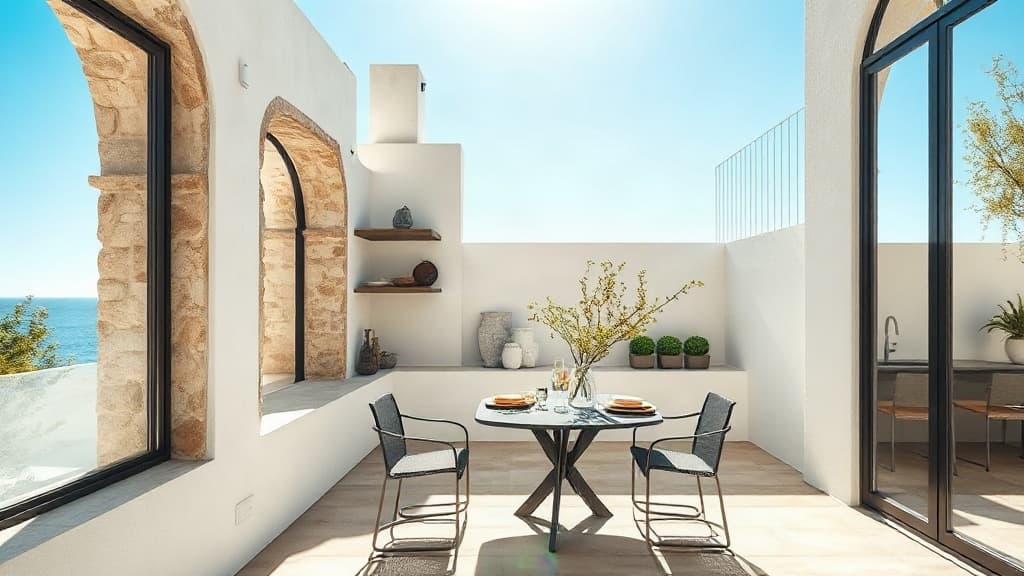
Beyond the Workhorse: Kitchen Islands and Dining Nooks as Personal Statements
Moving beyond mere utility, today's kitchen islands and dining nooks are curated spaces for self-expression, blending personal collections with innovative design.
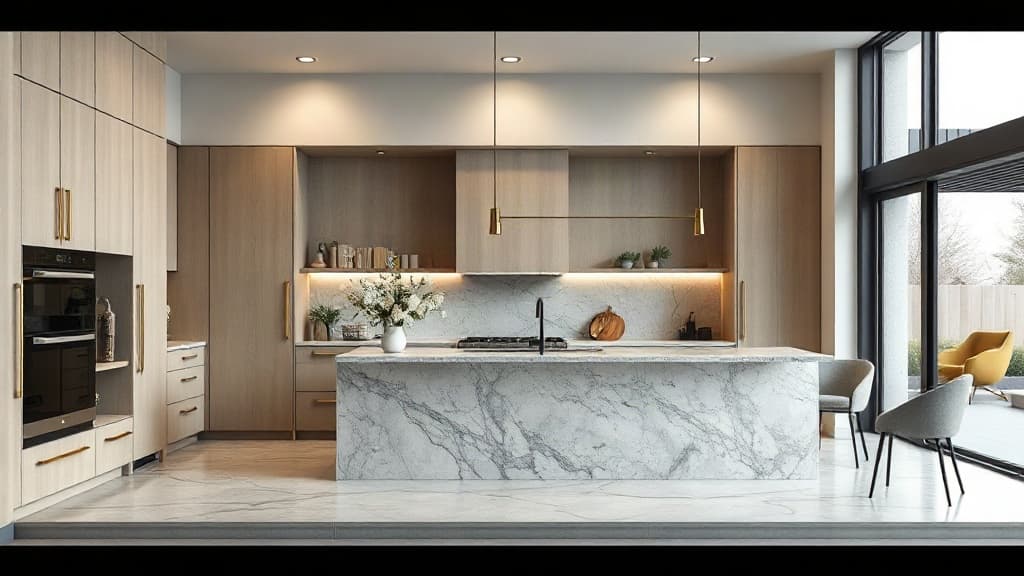
The Functional Fusion: Blending Kitchen Islands & Dining Nooks Seamlessly
How to unite two key kitchen features into a single, efficient, and beautiful heart of the home. Practical advice for your next project.
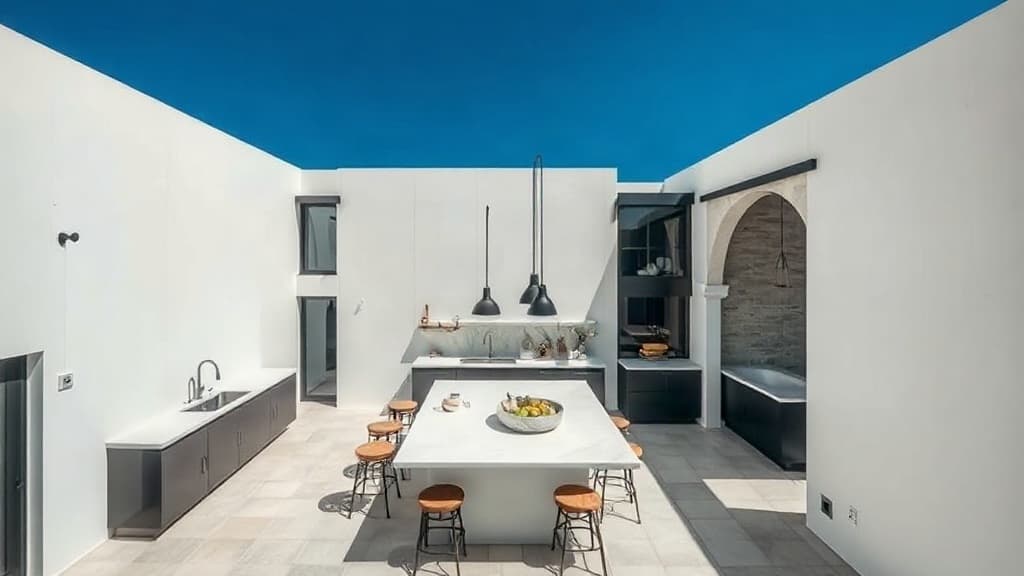
Kitchen Alchemy: How Materials, Light & Detail Transform Islands & Nooks
Beyond mere functionality, the soul of the kitchen's gathering spaces is forged in the interplay of surface, illumination, and considered detail.