Feature
The Practical Magic of Light, Material & Space: Real Rooms as Muse
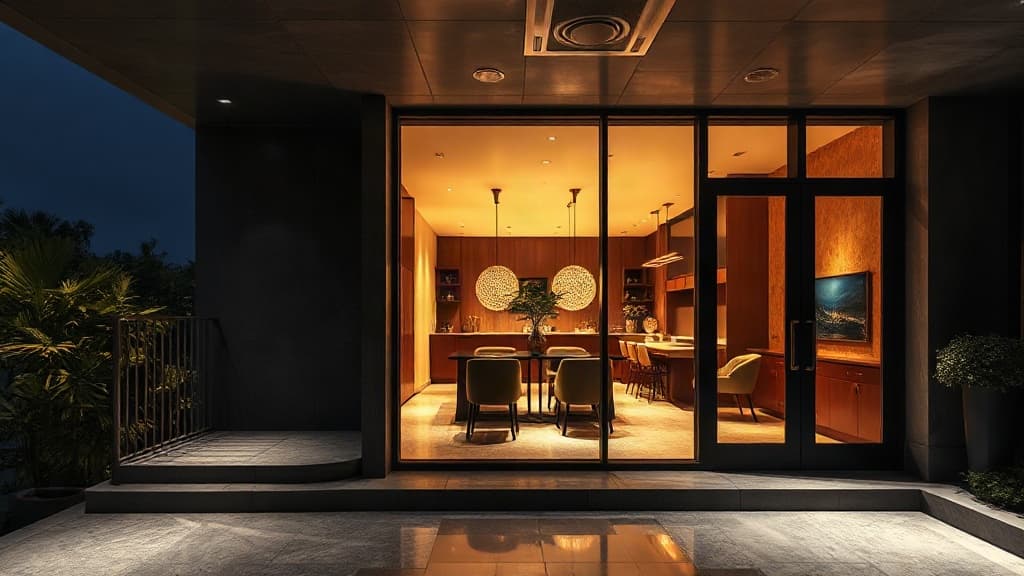
In the world of interior design, the triumvirate of lighting, materials, and layout is often discussed in lofty, conceptual terms. Yet, its most potent power is revealed not in theory, but in application. The magic happens when these elements are woven together to solve a real-world problem, elevate a daily ritual, or sculpt a specific mood. By turning our gaze to completed, inhabited spaces, we find a rich repository of inspiration that transcends trends and speaks to timeless functionality and beauty.
Consider the challenge of a long, narrow living room. Abstract principles might suggest 'create zones,' but a real-world example shows us how. In a Beirut apartment, designers employed a dual-lighting strategy: a central, sculptural pendant for ambient glow, complemented by a series of adjustable wall washers to graze a textured stone feature wall. This lighting layout doesn't just illuminate; it visually widens the space. The material palette—honed travertine, warm oak, and a sleek metal accent—was chosen not only for harmony but for their differing light-reactive qualities. The travertine softens the light, the oak warms it, and the metal provides a crisp reflection, creating a dynamic interplay throughout the day.
Similarly, a compact Cairo home office demonstrates how material and layout conspire to foster focus. Here, the layout is a study in purposeful restraint. A built-in desk of pale maple extends from a wall of floor-to-ceiling cabinetry, creating a clean, unbroken line that promotes mental clarity. The lighting is strictly task-oriented: a minimalist linear LED embedded under a shelf casts a perfect pool of light on the work surface, eliminating shadow and glare. The critical material choice is a matte, non-reflective finish on the desktop, which prevents light scatter. This practical, no-nonsense approach proves that a supportive environment is often built on a foundation of deliberate limitation and highly specific solutions.
These examples illustrate that inspiration is most potent when it is grounded. A beautiful stone isn't just a sample; it's a surface that catches the afternoon sun in a particular way. A lighting circuit isn't just a technical plan; it's the choreographer of evening ambiance. By deconstructing real rooms that work, we learn to see the foundational triad not as separate items on a spec sheet, but as a conversational, interdependent team. For further exploration of how these principles transform everyday spaces, [see more Interiors stories](/interiors/lighting-materials).
Read Also
Guide
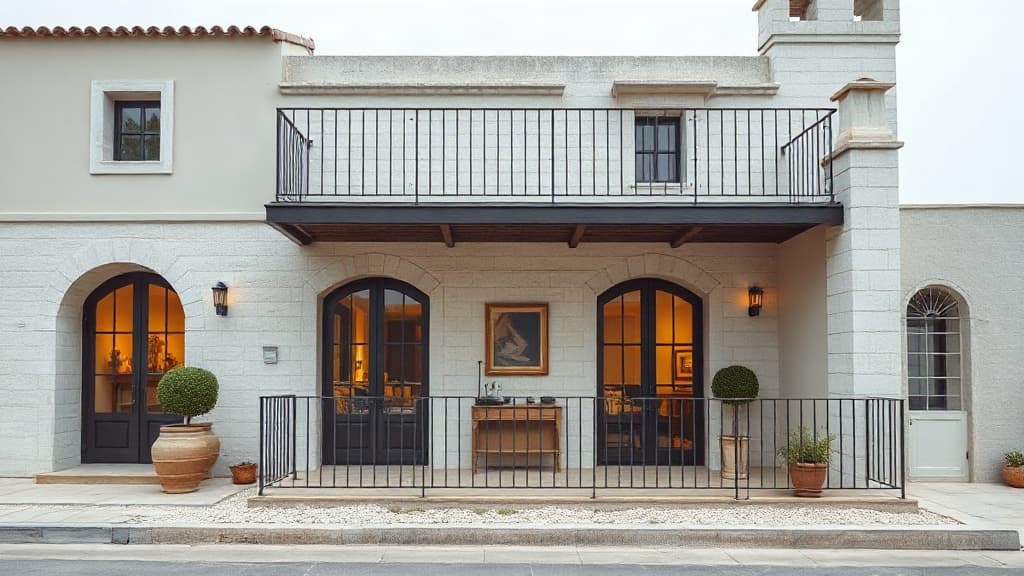
Three Core Pillars: Actionable Design Upgrades for Your Home
Forget fleeting trends. Discover how to master lighting, materials, and layout—the foundational trio that transforms any room into a functional and beautiful space.

Feature
The Alchemy of Atmosphere: Materials, Light & Detail
How the deliberate orchestration of material textures, lighting nuances, and meticulous detailing creates spaces that feel not just designed, but truly composed.
Design
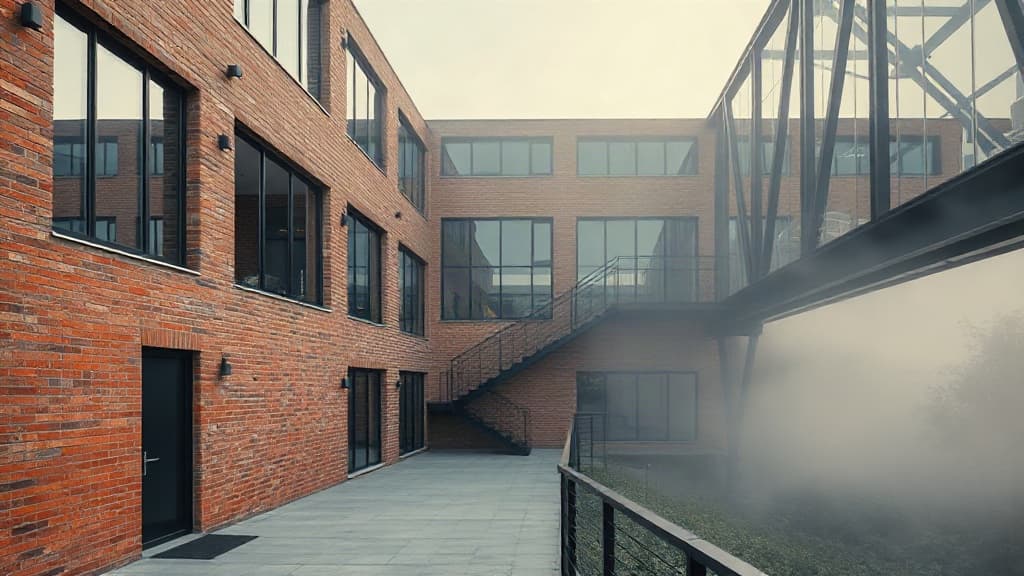
Foundational Triad: The Invisible Rules of Interior Design
Great spaces are built on a silent conversation between three core elements. We explore the timeless principles governing lighting, materials, and layouts.