The Stagecraft of Space: Design Principles Behind a Compelling Showcase

In the curated world of design publications, a 'showcase' is a distinct art form. It transcends the mere presentation of a beautiful project, evolving into a deliberate narrative that bridges the gap between a creator's vision and the audience's perception. At Archdeco, our Gallery showcases are crafted not as simple galleries, but as immersive journeys. The most memorable features operate on a set of unspoken design principles, transforming architectural photography and interior shots into a coherent, evocative story.
The first principle is narrative sequencing. Like a well-paced film, a showcase guides the viewer through a spatial experience. It begins not with the grand finale, but often with an establishing shot—an exterior, a key material, or a defining architectural line. This sets the stage. Subsequent images are carefully ordered to reveal the space, moving from wide establishing interiors to intimate details. This flow creates rhythm and purpose, allowing the design to unfold logically, building understanding and emotional resonance with each scroll or page turn.
Beyond sequence lies the principle of atmospheric curation. A showcase's power is heavily influenced by the mood it conveys through light, color, and texture. Is the project a serene, minimalist retreat bathed in soft northern light, or a vibrant, textured homage to local craft under a strong midday sun? The selected imagery must consistently echo this core atmosphere. This coherence in visual tone—whether achieved through photographic style, time of day, or even subtle post-processing—cements the project's identity in the viewer's mind, making it feel whole and intentional rather than a disjointed collection of pretty pictures.
Finally, the most effective showcases demonstrate the principle of detail as evidence. While wide shots establish scale and layout, it is the close-up—the grain of the wood, the junction of two materials, the custom-designed door handle—that provides proof of concept. These details are the designer's signature; they are the tangible evidence of craftsmanship, material understanding, and thoughtful resolution. Including them validates the broader design narrative, offering viewers a moment of discovery and a deeper appreciation for the rigor behind the beauty. For a deeper dive into the art of presentation, see more Gallery stories.
Read Also
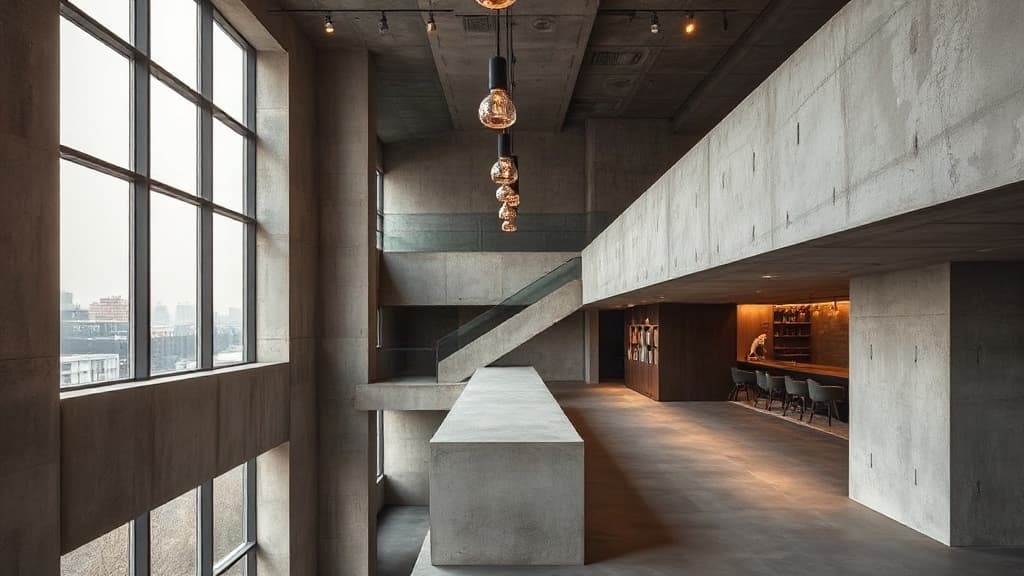
Where Blueprints Breathe: The Unspoken Genius in Designer Showcases
A designer's final showcase is more than a visual treat; it's a masterclass in problem-solving, material alchemy, and the art of inhabiting an idea.
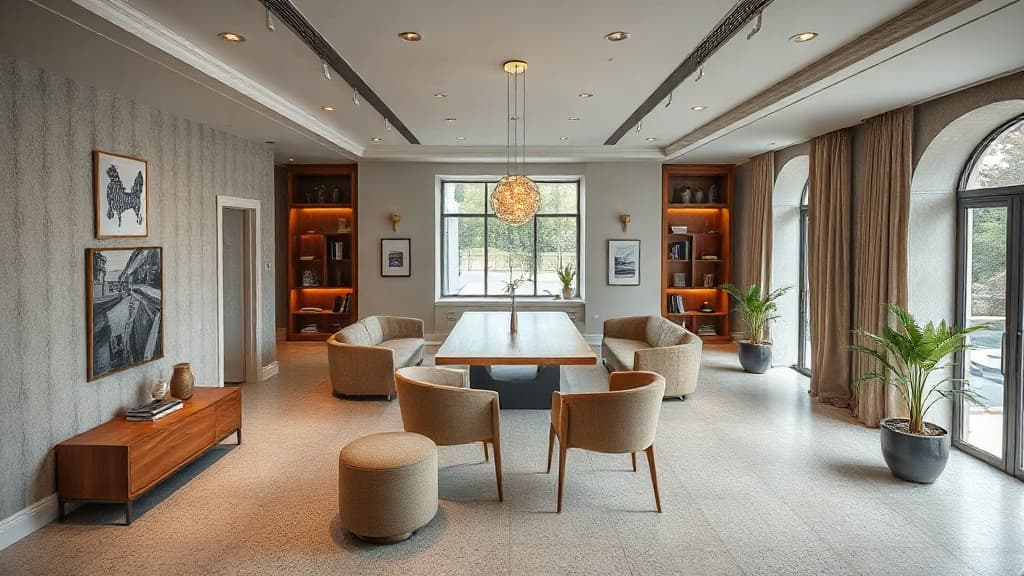
Beyond the Visual Feast: Decoding Designer Showcases for Your Home
Gallery tours offer more than inspiration; they are a masterclass in practical application. Learn how to extract actionable ideas from professional showcases for your own space.
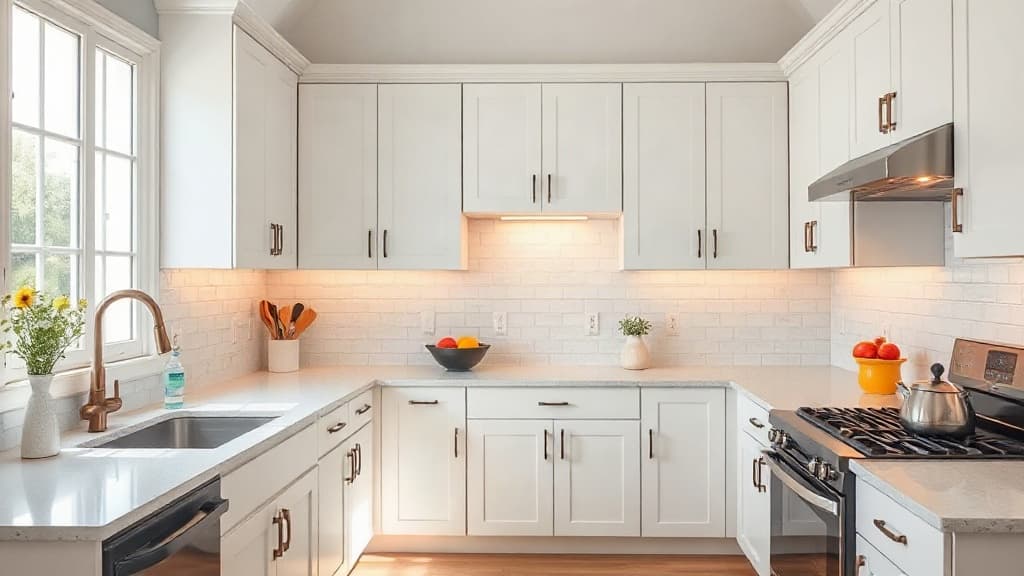
10 Kitchen Makeover Ideas on a Budget for a Big Change
You can transform your kitchen without a full renovation. These 10 budget-friendly ideas focus on paint, hardware, lighting, and clever updates for maximum visual impact.