Guide
Building with Intention: Practical Architecture for Daily Living
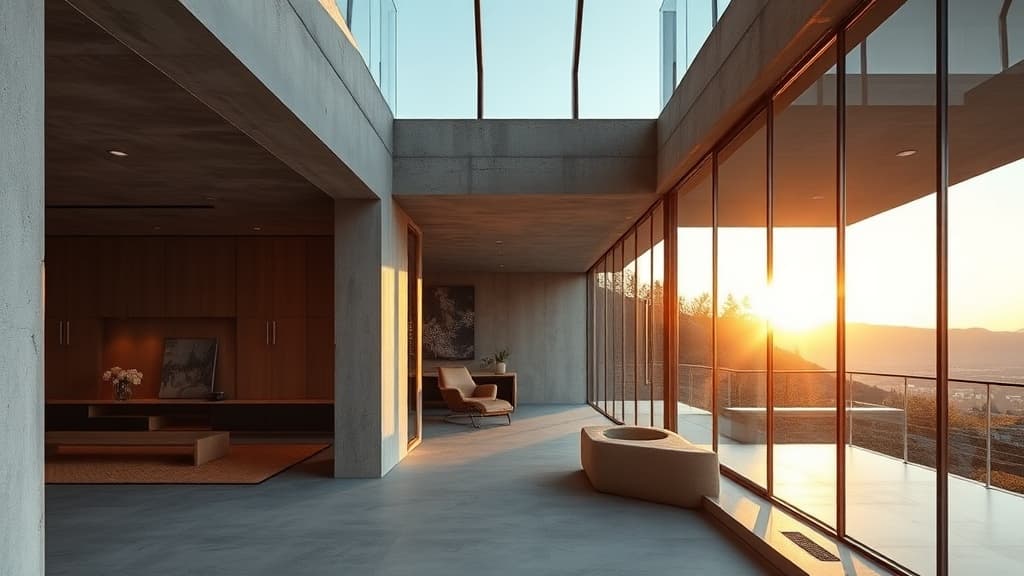
Great residential architecture transcends aesthetics; it is the thoughtful orchestration of space, light, and material to enhance the daily rituals of life. For homeowners embarking on the journey of building or renovating, the process can seem daunting. Moving from a dream to a functional blueprint requires more than just a vision—it demands practical strategy. The most successful projects are born from a clear partnership between the resident and the architect, grounded in intention and a shared understanding of the life the home is meant to support.
Begin with a deep audit of your lifestyle, not just a list of desired rooms. Before the first sketch, spend a week noting how your family truly lives. Where does clutter accumulate? When do you feel most at peace? Which paths through the house are most traveled? This forensic analysis of daily patterns provides your architect with invaluable, concrete data far more useful than a Pinterest board. It shifts the conversation from generic trends—‘an open-plan kitchen’—to specific, actionable needs: ‘a kitchen layout that allows two people to cook while supervising homework at a central island.’ Defining the problem clearly is the first step to an elegant, bespoke solution.
Secondly, understand your project’s hierarchy of value. Budgets are finite, so strategic prioritisation is essential. Work with your architect to distinguish between the non-negotiable structural and functional elements—foundation, envelope, spatial flow—and the more flexible finishes and fixtures. Investing in the quality of the ‘shell’—superior insulation, durable roofing, efficient window placement—pays dividends in comfort and longevity, while interior surfaces can often be adapted or upgraded later. Think of it as building a timeless vessel; the core must be sound and adaptable, capable of gracefully accepting changes in decor or family needs over decades.
Finally, embrace the process as a collaborative dialogue. An architect is your translator, turning lived experience into built form. Provide clear, constructive feedback on concepts and be open to their professional guidance on what is structurally possible, compliant, and truly beneficial. Trust that a skilled architect can solve a practical need—like adding storage—in a way that also creates a moment of beauty or a play of light. Your home should be a direct reflection of you, but filtered through the expertise that elevates simple shelter into resonant architecture. For a deeper dive into the principles that shape our living spaces, [see more Architecture stories](/architecture/residential).
Read Also

Feature
Drawing from the Dialogue: How Homes Answer Their Environment
Great residential design doesn't emerge from a vacuum; it is a responsive dialogue with its context. We explore how architects turn site, climate, and culture into profound inspiration.

Design
The Alchemy of Atmosphere: How Materials, Light, and Detail Sculpt Modern Homes
Exploring how the conscious orchestration of tangible materials, ethereal light, and meticulous detail work in concert to create profound domestic atmospheres.

Design
The Sanctuary of Scale: How Residential Design Finds Harmony in Proportions
Beyond mere shelter, residential architecture shapes our daily lives. We explore the enduring design principles that transform houses into harmonious homes.