Design
The Sanctuary of Scale: How Residential Design Finds Harmony in Proportions
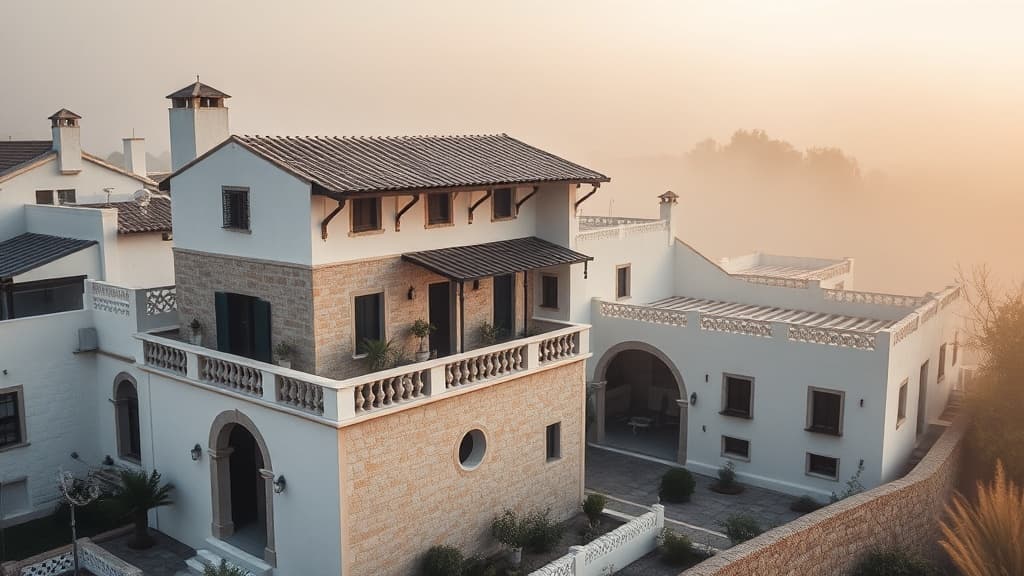
A house provides shelter, but a home provides sanctuary. The transition from one to the other lies in the hands of residential architecture, a discipline that marries art with the intimate science of daily living. It is more than an arrangement of rooms and roofs; it is the thoughtful orchestration of space, light, material, and proportion to support and elevate the human experience. In an age of shifting trends, the foundational principles of good residential design remain steadfast, acting as a compass for creating dwellings that are not only beautiful but fundamentally nurturing.
At the core lies the principle of Scale and Proportion. This is the unseen geometry that makes a space feel naturally comfortable, not cavernous or cramped. It governs ceiling heights relative to room sizes, the width of a corridor, the relationship between a window and the wall it inhabits. When scale is masterfully handled, a modest studio apartment can feel generous and serene, while a grand villa retains a sense of warmth and intimacy. Proportion humanizes architecture, ensuring that the built environment serves its inhabitants, not the other way around.
Closely intertwined is the principle of Connection to Context. Whether urban or rural, every home exists within a larger environment. Exceptional residential design engages with this context—capturing specific light patterns, framing a particular view, responding to the local climate with appropriate materials and spatial organization. It can mean embracing the sun's path in a cold climate or designing for cross-ventilation in a warm one. This dialogue between the interior and the exterior grounds a home in its place, creating a unique sense of belonging that a generic design could never achieve.
Finally, the principle of Spatial Flow dictates the rhythm of daily life. The arrangement of rooms, the transition from public to private zones, and the circulation paths between them should feel intuitive and effortless. A well-considered flow eliminates friction, allowing movement to become a subconscious pleasure. It considers how a family gathers, how a guest is welcomed, and how one retreats to solitude. This careful choreography of movement is what transforms a static plan into a dynamic, living home. To delve deeper into the philosophies shaping our living spaces, [see more Architecture stories](/architecture/residential).
Read Also
Feature
Drawing from the Dialogue: How Homes Answer Their Environment
Great residential design doesn't emerge from a vacuum; it is a responsive dialogue with its context. We explore how architects turn site, climate, and culture into profound inspiration.
Guide
Building with Intention: Practical Architecture for Daily Living
A guide for homeowners on how to collaborate effectively with architects, from defining your needs to navigating the building process for a home that truly works.
Design
The Alchemy of Atmosphere: How Materials, Light, and Detail Sculpt Modern Homes
Exploring how the conscious orchestration of tangible materials, ethereal light, and meticulous detail work in concert to create profound domestic atmospheres.