Feature
Drawing from the Dialogue: How Homes Answer Their Environment
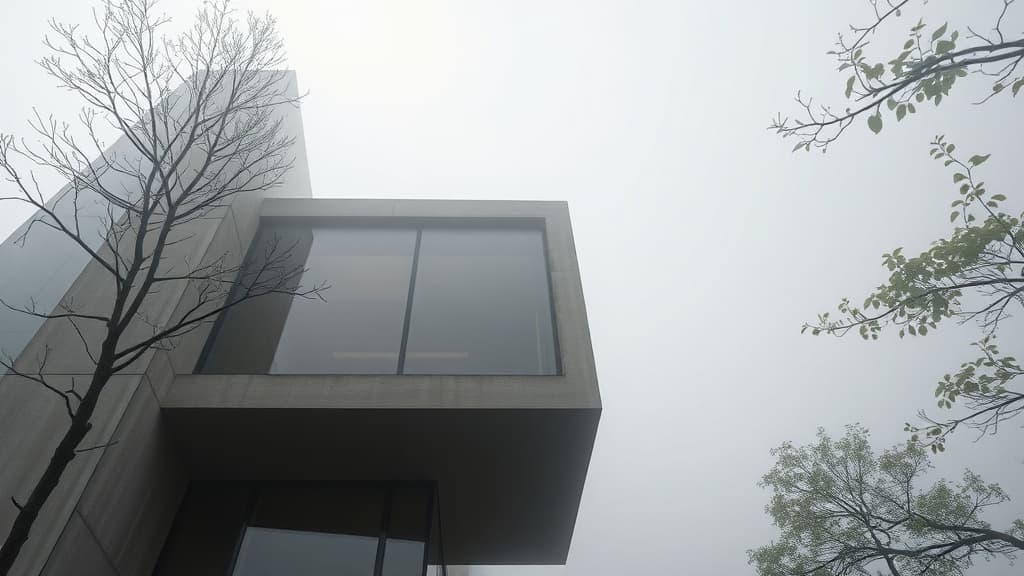
Residential architecture at its most compelling is not an isolated statement, but a conversation. It begins by listening—to the whisper of the wind across a plot, the specific quality of light, the contours of the land, and the cultural rhythms of its inhabitants. This profound dialogue between a home and its environment moves beyond mere aesthetics to create dwellings that feel inherently rooted and responsively alive. The most inspirational projects are those where the architect has acted not as a solitary author, but as a skilled interpreter, translating the whispers of a place into built form.
The language of this dialogue is spoken through materiality and orientation. Consider a coastal residence in Oman, where thick, thermal-mass walls and deeply recessed windows are not just stylistic choices but direct answers to the Gulf's harsh sun. The architecture provides shade and coolness, its form born from climatic necessity. In the forests of the Pacific Northwest, a different vernacular emerges. Here, a home might stretch vertically, with extensive glazing placed to capture the soft, filtered light beneath the canopy while using the trees themselves as natural screens. The structure becomes a careful insertion, its wooden skeleton echoing the surrounding trunks, designed to leave the soil and root systems largely undisturbed.
This principle extends beyond the natural to the urban fabric. A townhouse in a dense historic district engages in a different, equally vital dialogue. The façade might respectfully align with the street’s cornice lines, while the interior unfolds into a contemporary, light-filled courtyard—a private oasis that acknowledges the lack of a backyard. The home converses with its neighbors on the street while carving out its own identity within. Similarly, adaptive reuse projects represent a deep dialogue with history, where the patina of old brick or the soaring ceiling of a former warehouse becomes the foundational narrative for a new domestic life, blending heritage with modern necessity.
Ultimately, these real-world examples demonstrate that inspiration is not something to be sought in distant catalogs, but is embedded in the very conditions of a project. The genius lies in asking the right questions of the site and listening intently to the answers it provides. The result is architecture that feels both inevitable and surprising, offering not just shelter but a deepened connection to place. For further exploration of this responsive approach to creating homes, [see more Architecture stories](/architecture/residential).
Read Also
Guide
Building with Intention: Practical Architecture for Daily Living
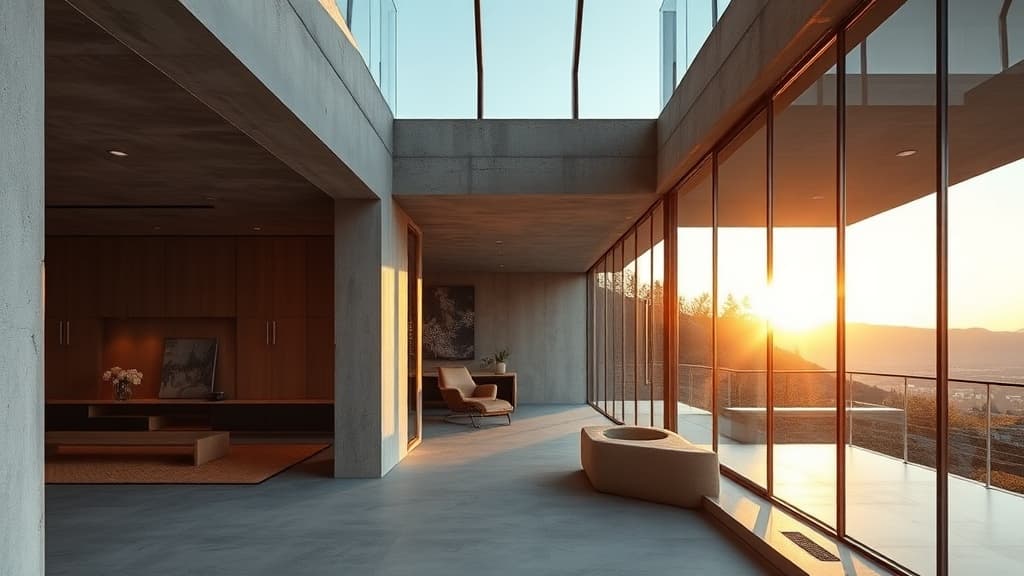
A guide for homeowners on how to collaborate effectively with architects, from defining your needs to navigating the building process for a home that truly works.
Design
The Alchemy of Atmosphere: How Materials, Light, and Detail Sculpt Modern Homes
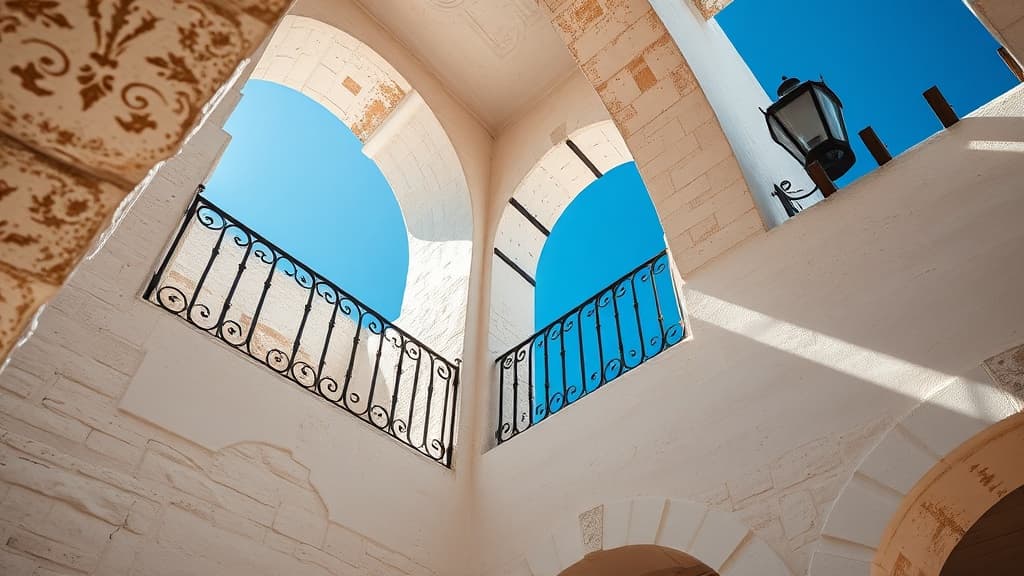
Exploring how the conscious orchestration of tangible materials, ethereal light, and meticulous detail work in concert to create profound domestic atmospheres.
Design
The Sanctuary of Scale: How Residential Design Finds Harmony in Proportions
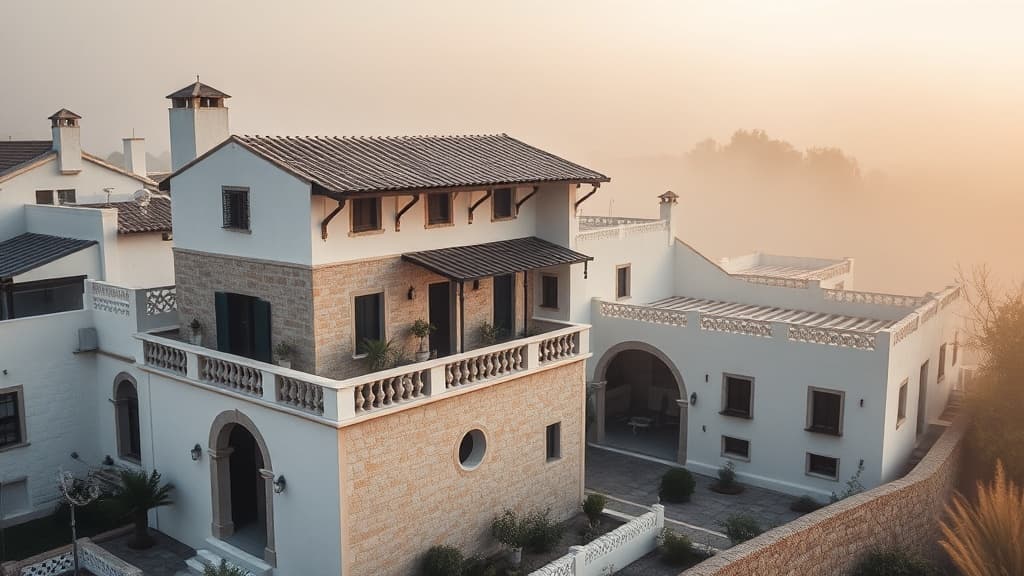
Beyond mere shelter, residential architecture shapes our daily lives. We explore the enduring design principles that transform houses into harmonious homes.