Guide
A Greener Footprint: Everyday Strategies for an Eco-Conscious Home
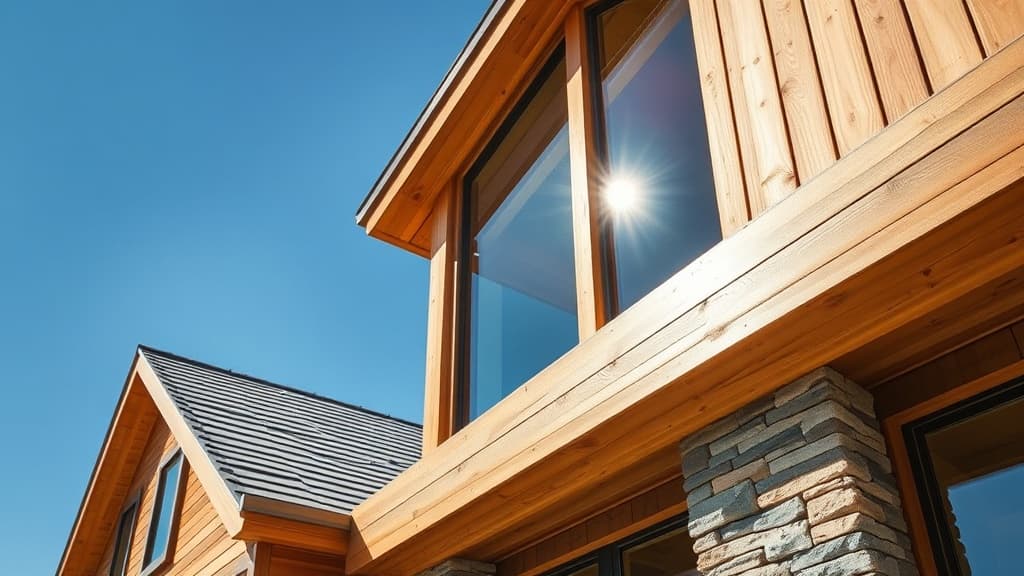
The aspiration towards a greener, more sustainable lifestyle can often feel like a grand architectural undertaking—visions of solar-paneled roofs and earth-sheltered walls. Yet, the most meaningful journey towards an eco-conscious home begins not with a radical rebuild, but with intentional, practical adjustments. By embracing the core principles of sustainable architecture, every homeowner can incrementally reduce their environmental footprint while enhancing comfort and cutting long-term costs. It's about working with your existing space, not against it.
The first, and most impactful, strategy lies in mastering your home's climate. Before considering complex systems, look to passive design. In cooler climates, ensure south-facing windows are unshaded to invite the winter sun's warmth deep into your living spaces. In hotter regions, strategic shading with overhangs, louvers, or deciduous trees becomes essential to block harsh summer rays. Don't underestimate the power of insulation; upgrading attic and wall insulation is arguably the single most cost-effective measure to reduce heating and cooling demands. Complement this by sealing drafts around windows and doors—a simple weekend task that pays dividends in energy conservation.
Next, shift your focus to the resources your home consumes daily. Water stewardship is a pillar of sustainable living. Installing low-flow faucets, showerheads, and dual-flush toilets can slash your water use by up to 50% without sacrificing performance. Consider harvesting rainwater with a simple barrel system for garden irrigation. When it comes to materials, adopt a 'circular' mindset for any renovation or redecorating project. Seek out reclaimed wood, recycled glass tiles, or paints with low volatile organic compounds (VOCs). Choosing locally sourced materials not only supports the regional economy but dramatically reduces the carbon emissions associated with long-distance transportation.
Finally, empower your home with smart technology. A programmable thermostat is a basic upgrade that optimizes temperature settings for when you're home and away. LED lighting, now available in a wide range of color temperatures, uses a fraction of the energy of traditional bulbs. For those ready to invest further, energy-efficient appliances and, where feasible, a heat pump for climate control represent significant leaps in operational sustainability. Remember, every sustainable choice, however small, contributes to a larger ethos of conscious dwelling.
Building a truly sustainable home is a continuous journey of mindful choices, but the foundation is laid with these practical steps. For deeper architectural insights on this path, [see more Architecture stories](/architecture/sustainable).
Read Also

Feature
The Language of Space: How Materials, Light & Detail Speak
Architecture's most profound conversations are unspoken, conducted through the deliberate interplay of substance, shadow, and refinement. We listen in.

Feature
The Conversation Behind the Craft: What Experts Reveal in Archdeco Interviews
Moving beyond static showcases, Archdeco’s expert interviews uncover the foundational principles and philosophical dialogues that shape our built environments, revealing the thinking that makes spaces sing.

Guide
From Gallery to Living Room: Borrowing Design Confidence from Public Spaces
Discover how the bold confidence of museum galleries and boutique hotels can be distilled into practical principles for designing a home that feels both inspired and authentically yours.