Feature
When Architecture Grows: Living Buildings Shaping Our Future
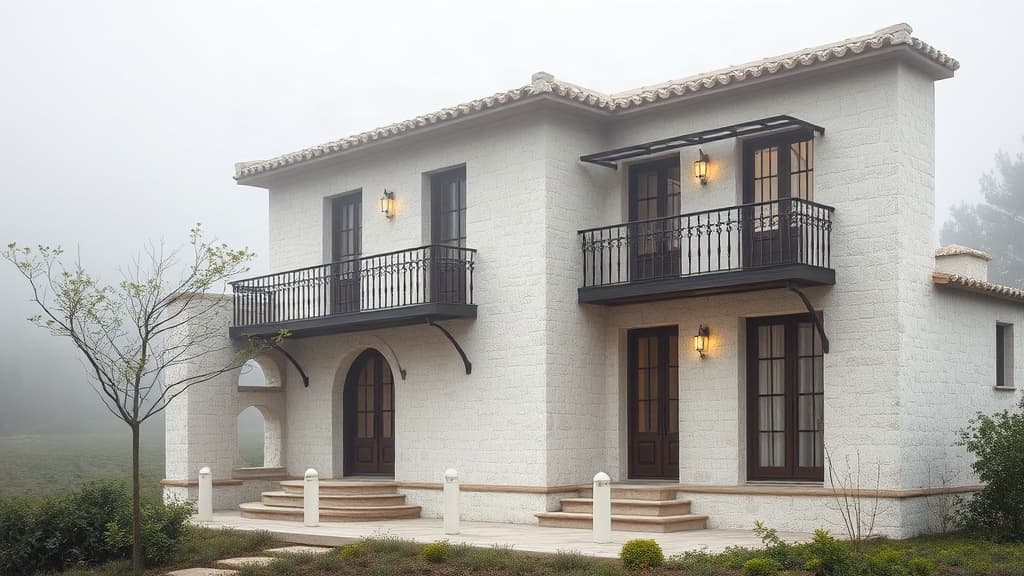
Sustainable architecture has moved past a niche concern to become the very lexicon of contemporary design. Yet, the discourse often lingers in the realm of principles and pledges. The true inspiration lies not in abstract concepts, but in the built forms that demonstrate how our habitats can exist in symbiosis with the natural world. This is architecture that doesn't just take less, but gives back—creating structures that are not static objects, but dynamic participants in their ecosystems.
Consider the concept of regenerative design. In Singapore, the PARKROYAL COLLECTION Pickering is not merely a hotel; it is a vertical garden. Its iconic terraces overflow with lush foliage, exceeding the green footprint of the land it occupies. This isn't just aesthetics; it's a functioning ecosystem that cools the building, supports biodiversity, and filters the air for its occupants. It redefines the skyline not as a monument to steel and glass, but as a living, breathing entity. Similarly, the Bullitt Center in Seattle, dubbed the world's greenest commercial building, functions like a tree. It generates its own solar power, captures and treats rainwater for all uses, and processes its own waste. It is designed for a 250-year lifespan, challenging the disposable nature of conventional construction.
From high-tech marvels to vernacular wisdom, inspiration is global. The Bamboo Sports Hall for Panyaden International School in Thailand showcases how a traditional material can achieve breathtaking, contemporary forms while maintaining a negative carbon footprint. Its structure, inspired by lotus flowers, is both resilient and beautiful, teaching students about sustainability through the very walls that surround them. Meanwhile, in the arid landscapes of the Middle East, ancient techniques of wind-catching towers (Barajeel) and thermal mass are being reimagined. Projects like the Masdar Institute in Abu Dhabi weave narrow streets and tall towers to create cooling microclimates, proving that the most advanced sustainable solutions are often a dialogue with the past.
These real-world examples show that sustainable architecture is not a restrictive formula but a creative catalyst. It pushes designers to innovate with materials, energy, and form, resulting in spaces that are not only environmentally sound but profoundly human-centric. They offer a hopeful blueprint for a future where our built environment is a source of restoration. To discover more projects that redefine our relationship with the planet, we encourage you to [see more Architecture stories](/architecture/sustainable).
Read Also

Guide
Your Home's Green Print: Simple Steps for Sustainable Living
Sustainable architecture isn't just for new builds; it's a practical approach any homeowner can adopt. Discover actionable strategies to enhance your home's efficiency and comfort.
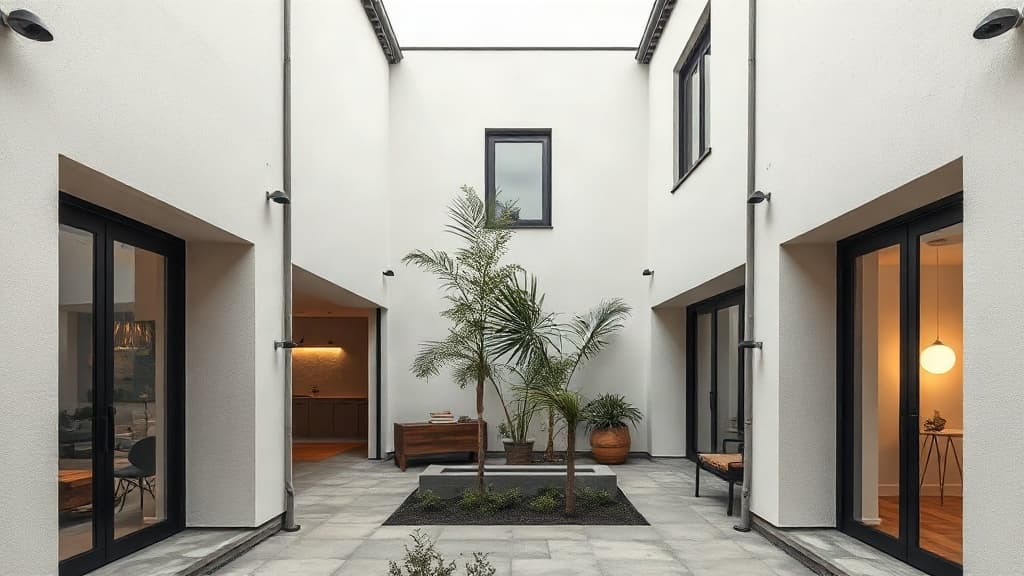
Feature
The Quiet Revolution: How Materials, Light & Detail Define Modern Eco-Architecture
Moving beyond theory, sustainable architecture is now a tangible dialogue between resource-conscious materials, intelligent light, and meaningful detail, shaping spaces that are as ethical as they are beautiful.
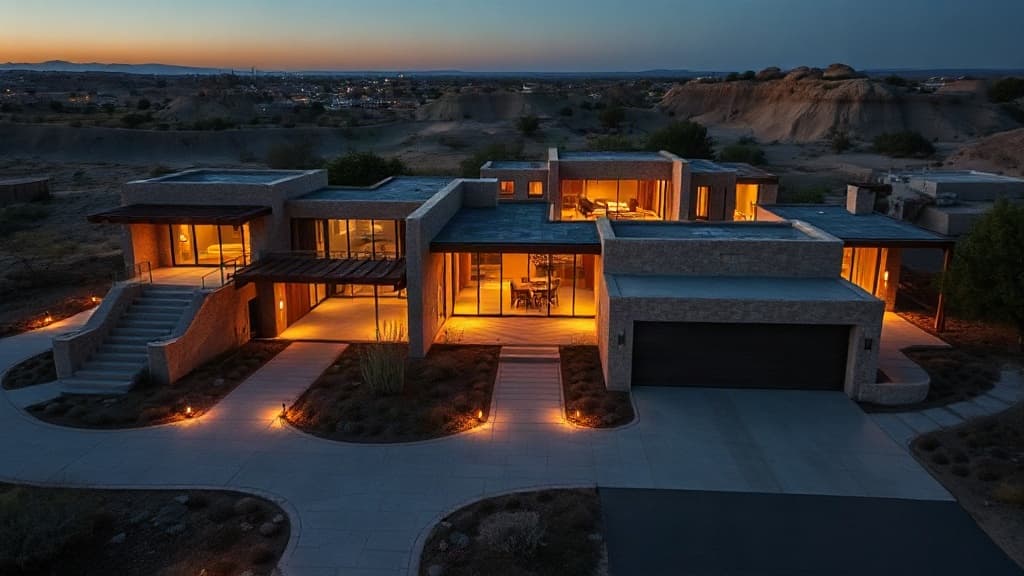
Design
Foundations of the Future: The Guiding Principles of Sustainable Architecture
An exploration of the core design philosophies that transform buildings from mere shelters into regenerative forces for people and planet.