Feature
The Quiet Revolution: How Materials, Light & Detail Define Modern Eco-Architecture
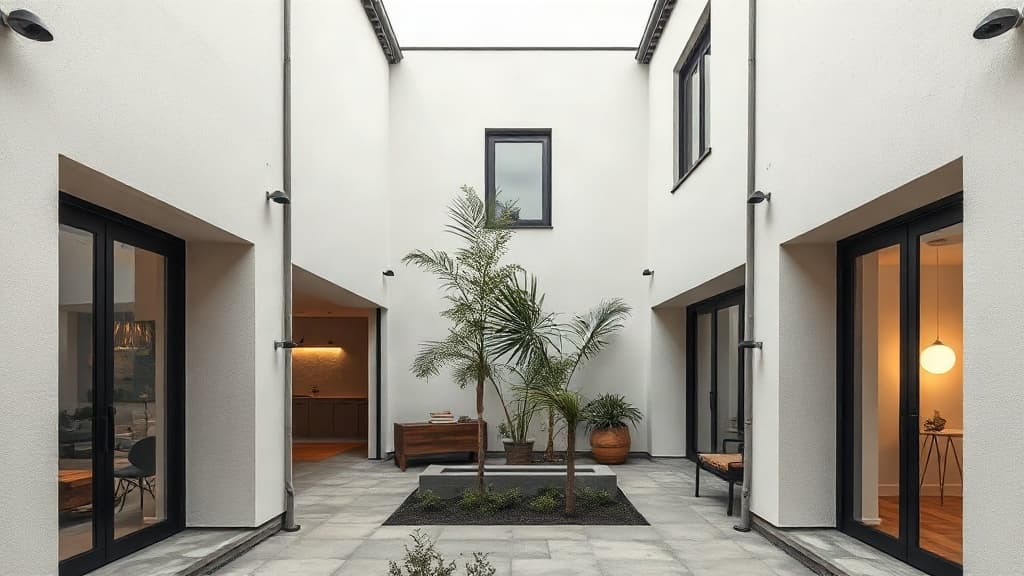
Sustainable architecture has evolved from a conceptual ideal into a tangible, sensory experience. Today's most compelling eco-conscious designs are not defined by grand statements, but by a quiet revolution in the fundamental building blocks of space: Materials, Light, and Detail. This trinity forms the essential language through which a structure whispers its environmental ethos, creating harmony between the built form and its natural context.
At the core lies a profound shift in materiality. We are witnessing a move beyond mere efficiency to a celebration of substance. Rammed earth walls offer thermal mass and a textural narrative of place; reclaimed timber beams carry history while sequestering carbon; and innovative biocomposites derived from mycelium or algae present a future where buildings can grow and biodegrade. The selection is no longer just technical; it is an ethical and aesthetic choice, where every surface tells a story of origin, lifecycle, and low embodied energy.
This material honesty is animated by a masterful choreography of light. Sustainable design treats sunlight as the primary utility—a free, abundant resource to be harvested, modulated, and celebrated. Strategic apertures, light shelves, and reflective courtyards draw daylight deep into plans, reducing reliance on artificial systems. The play of light across a rough-hewn stone wall or through the delicate grain of sustainably sourced timber becomes a time-telling device, connecting inhabitants to the diurnal rhythm of the sun and fostering wellbeing, all while minimizing energy consumption.
The revolution is cemented in the details. Sustainability is realized not in the abstract, but in the precise joinery of a reclaimed wood screen, the custom-designed brass rainwater head that turns precipitation into a visible feature, or the integrated planter box that supports local biodiversity. These considered details resolve the junction between systems, enhance longevity, and invite user engagement. They are the proof points of a philosophy, demonstrating that environmental responsibility can elevate craft and enrich daily experience.
Ultimately, this approach weaves ethics into the very fabric of our surroundings, creating architecture that feels inherently responsible and deeply resonant. To discover how these principles are reshaping homes and cities, [see more Architecture stories](/architecture/sustainable).
Read Also
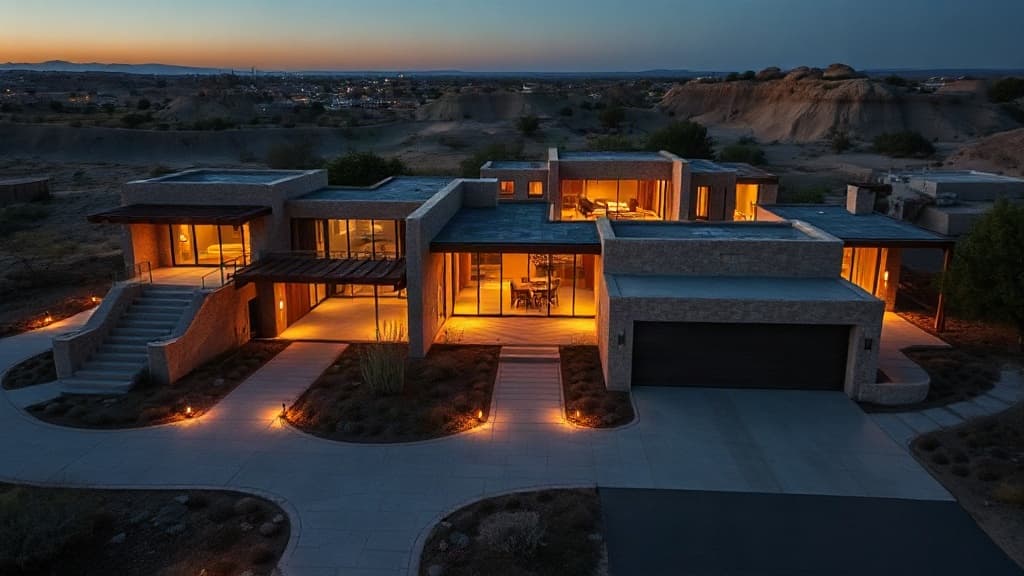
Design
Foundations of the Future: The Guiding Principles of Sustainable Architecture
An exploration of the core design philosophies that transform buildings from mere shelters into regenerative forces for people and planet.

Feature
From Facade to Function: Where Commercial Architecture Sparks Innovation
Commercial architecture is a dynamic testing ground where ambition, brand identity, and public experience converge to shape the spaces where we work, shop, and gather.
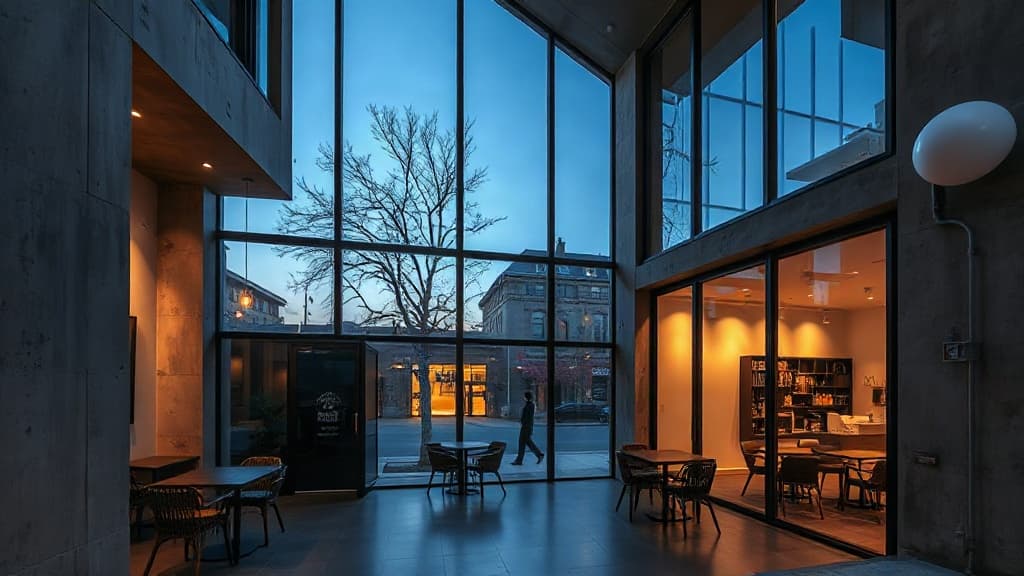
Guide
Shop Like an Architect: Everyday Lessons for Your Home
What makes a cafe, a shop, or an office compelling? We translate the core principles of successful commercial architecture into practical, actionable tips for your living space.