Feature
From Facade to Function: Where Commercial Architecture Sparks Innovation
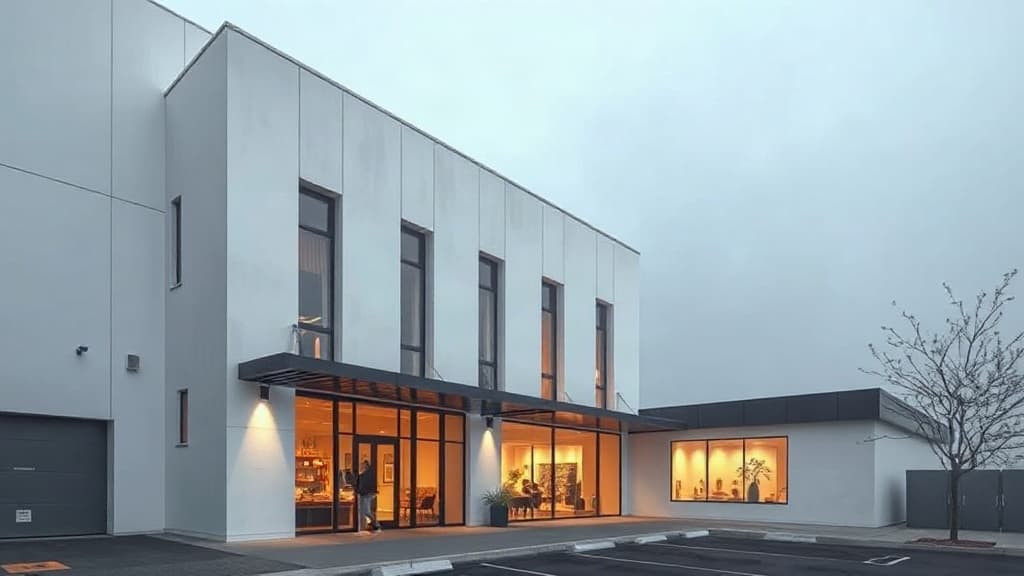
The most compelling commercial architecture does more than provide shelter for commerce; it actively participates in it. It is a discipline driven by a dual mandate: to fulfill a precise functional program and to create a powerful, experiential brand statement. The resulting buildings often serve as our most visible laboratories for architectural innovation, where ideas are stress-tested by public interaction, evolving technology, and the relentless pace of business. This dynamic interplay between inspiration and real-world application is where the future of our built environment is often first glimpsed.
True inspiration in this realm frequently stems from a reinterpretation of context. Consider the rise of adaptive reuse projects, where historic warehouses become tech hubs or disused railway arches transform into vibrant marketplaces. These projects draw inspiration from the existing urban fabric, layering new purpose onto old bones. The architectural challenge—and the inspiration—lies in respecting historical lineage while injecting contemporary functionality. The success of such spaces proves that commercial viability can be beautifully intertwined with narrative depth, creating destinations that feel both authentic and novel.
Beyond context, inspiration increasingly flows from a building’s intended human experience. The modern workplace, for instance, has evolved from a sea of cubicles to a ecosystem designed for collaboration, wellness, and flexibility. Architects draw inspiration from hospitality and residential design to create offices that feel less institutional and more engaging. Similarly, retail spaces have shifted from mere transactional containers to immersive brand showcases. The inspiration here is theatrical; architecture becomes a stage for customer interaction, using spatial flow, material tactility, and curated sightlines to guide emotion and behavior. These are not arbitrary aesthetic choices but strategic tools derived from observing how people naturally interact with space.
Ultimately, the most resonant commercial projects are those where the initial spark of inspiration is honed by real-world constraints and aspirations. They demonstrate that when architecture successfully communicates a brand’s ethos, enhances human connectivity, and responds thoughtfully to its environment, it transcends mere building to become a landmark. For a deeper exploration of how these ideas take physical form, [see more Architecture stories](/architecture/commercial).
Read Also
Guide
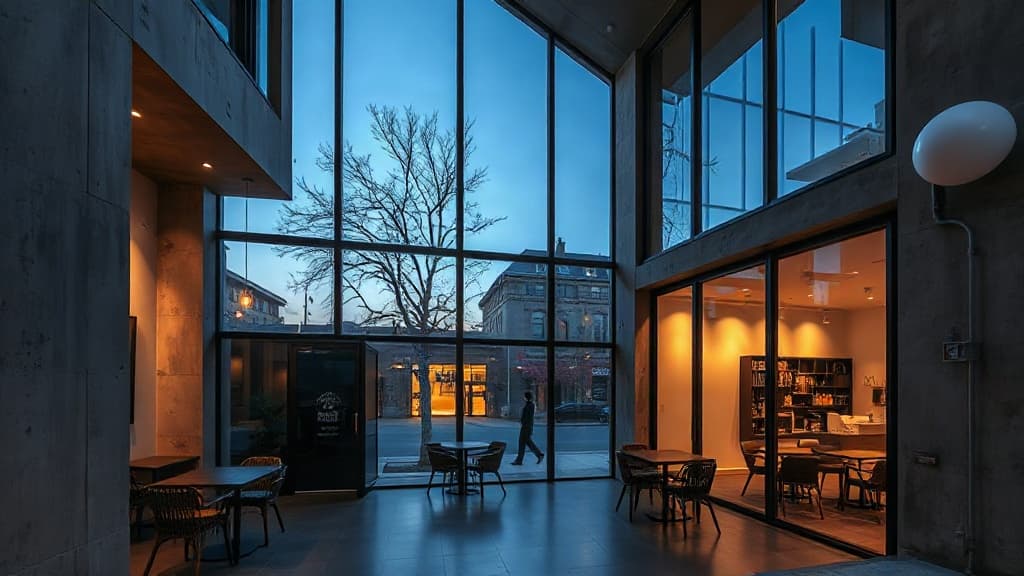
Shop Like an Architect: Everyday Lessons for Your Home
What makes a cafe, a shop, or an office compelling? We translate the core principles of successful commercial architecture into practical, actionable tips for your living space.
Feature
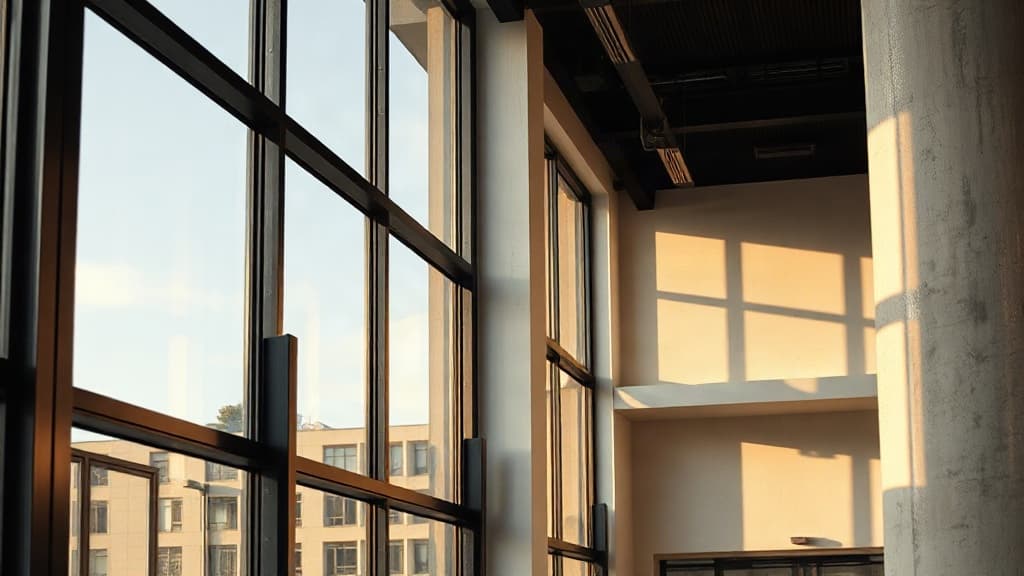
The Silent Commerce: How Materials, Light & Detail Engineer Human Behavior
Beyond aesthetics, commercial architecture deploys materiality, illumination, and meticulous detail as psychological tools that guide movement, decision-making, and perception.
Feature
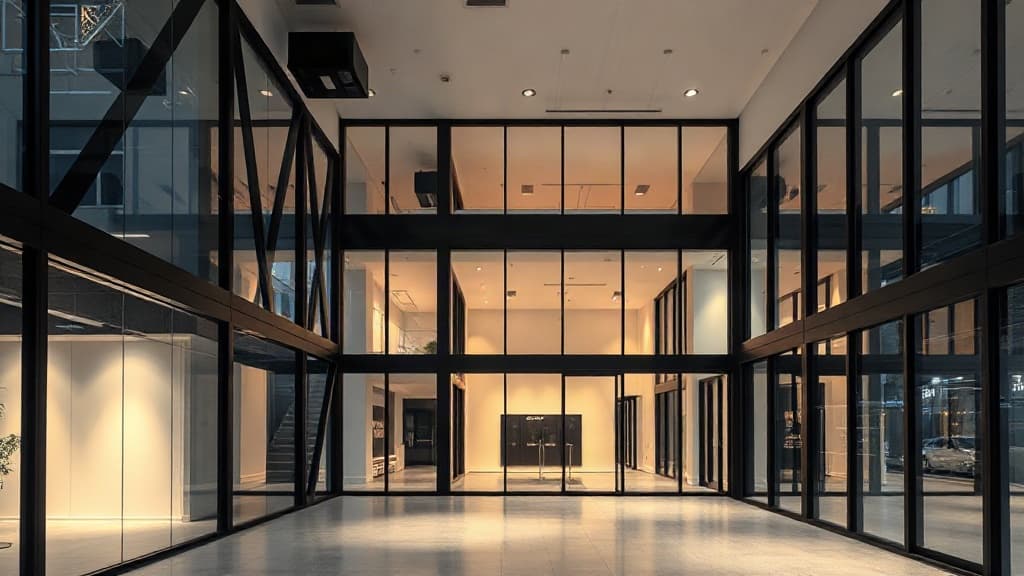
The Commerce of Experience: Core Principles of Commercial Architecture
Commercial architecture is the strategic art of designing spaces that work, sell, and inspire, moving beyond mere aesthetics to shape the human experience.