Feature
The Commerce of Experience: Core Principles of Commercial Architecture
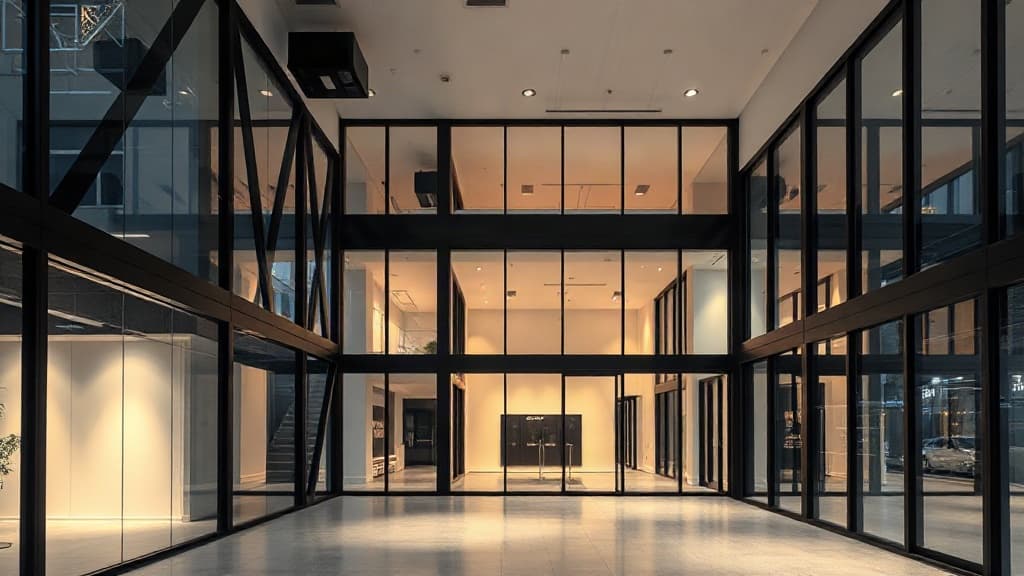
Commercial architecture is far more than a corporate shell or a retail backdrop. It is the strategic art of designing environments that actively facilitate commerce, culture, and community. While residential spaces are private sanctuaries, commercial projects are inherently public propositions, serving a business’s function while shaping a collective experience. The success of a restaurant, a showroom, or an office tower is profoundly linked to the architectural principles that govern its creation—principles that must balance operational efficiency, brand identity, and human psychology.
At its core, commercial architecture is driven by a triad of foundational design principles. The first is **Functionality and Flow**. A space must work flawlessly for its intended use, whether that means optimizing customer circulation in a flagship store to maximize product exposure or designing an office layout that fosters both collaboration and focused work. This involves meticulous space planning, understanding user journeys, and integrating essential services seamlessly into the overall design narrative.
The second principle is **Brand Embodiment**. A building is a company’s most permanent and physical form of communication. Architectural design becomes a powerful tool to translate abstract brand values—innovation, trust, luxury, sustainability—into tangible spatial experiences. The choice of materials, the quality of light, and the form of the building itself tell a story long before a customer reads a mission statement.
Finally, successful commercial architecture masters **Experience and Engagement**. In today’s market, people seek memorable interactions, not just transactions. Architecture creates the stage for these experiences. A thoughtfully designed hotel lobby that encourages lingering, a museum whose circulation tells a visual story, or a café with perfectly calibrated acoustics—all demonstrate how architectural decisions directly influence emotion, dwell time, and, ultimately, commercial success.
Ultimately, the most compelling commercial spaces are those that understand their primary material is not just concrete and glass, but human behavior. They are environments where design principles are invisibly at work, guiding, inspiring, and facilitating the activities they house. To understand how these principles continue to evolve in response to new cultural and technological demands, we invite you to [see more Architecture stories](/architecture/commercial).
Read Also
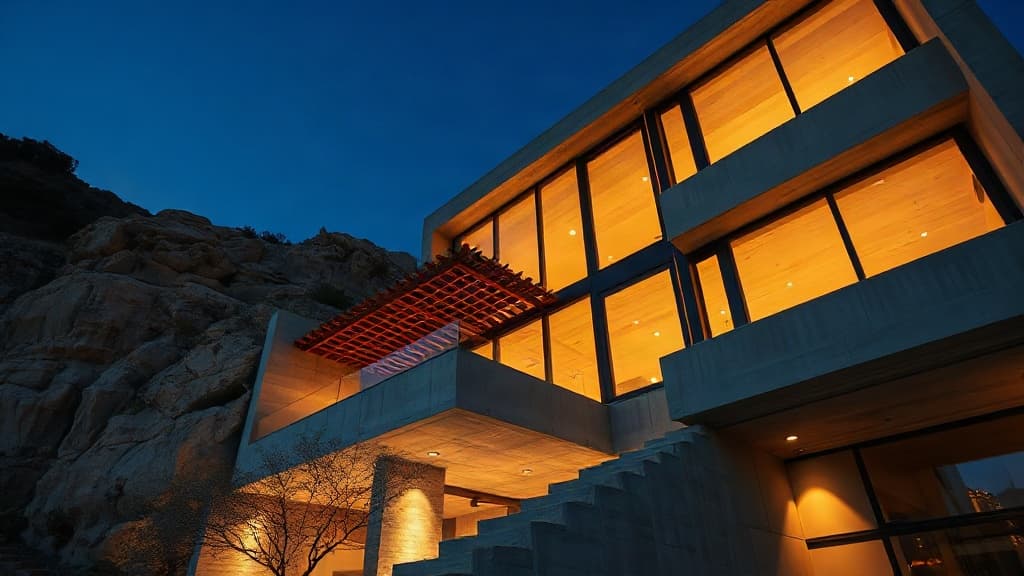
Feature
Where Ideas Take Shape: Finding Design Inspiration in the Built World
Architecture doesn't exist in a vacuum. This piece explores how real-world forms, from canyon cliffs to village squares, become the foundation for extraordinary homes.
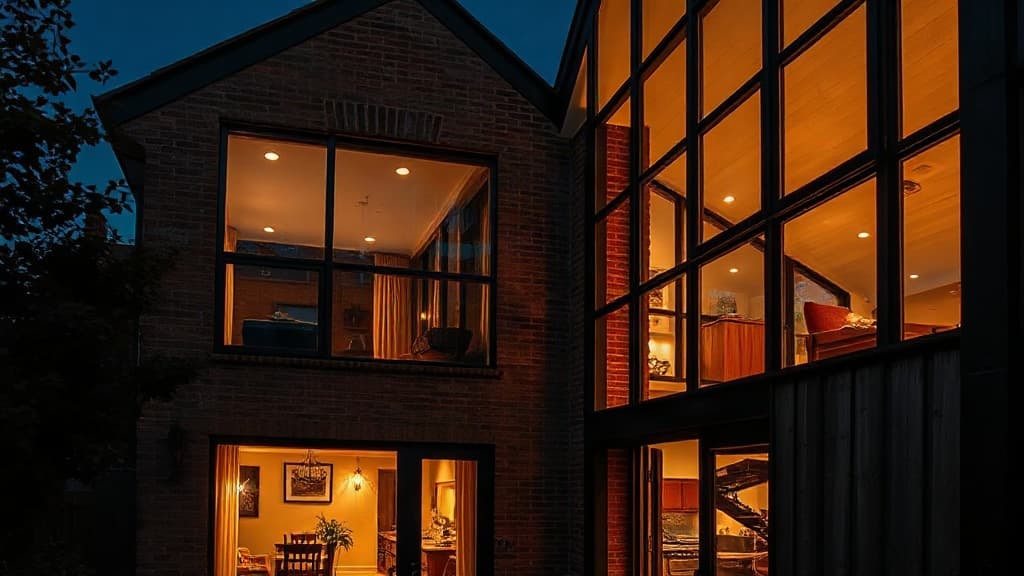
Guide
Your Blueprint for Clarity: Practical Architecture Tips Before You Build or Renovate
Transform your home project from overwhelming to outstanding with these foundational, practical insights from architectural thinking. A guide for the decisive homeowner.
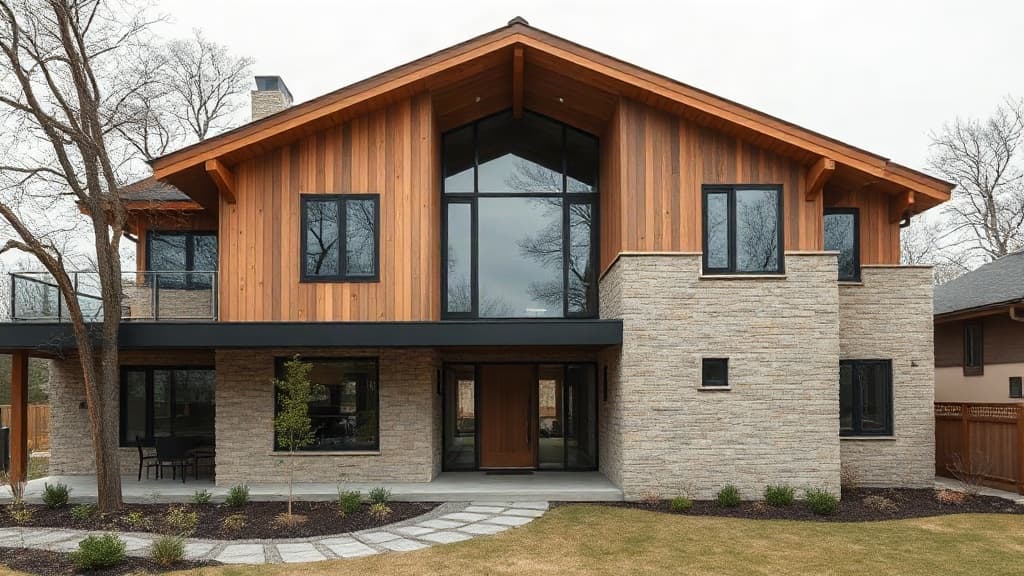
Feature
Beyond the Blueprint: How Materials, Light & Detail Shape the Soul of a Home
True residential architecture transcends layout. We explore how the thoughtful orchestration of tactile materials, curated light, and intentional detail creates spaces that feel truly lived-in.