Feature
Where Ideas Take Shape: Finding Design Inspiration in the Built World
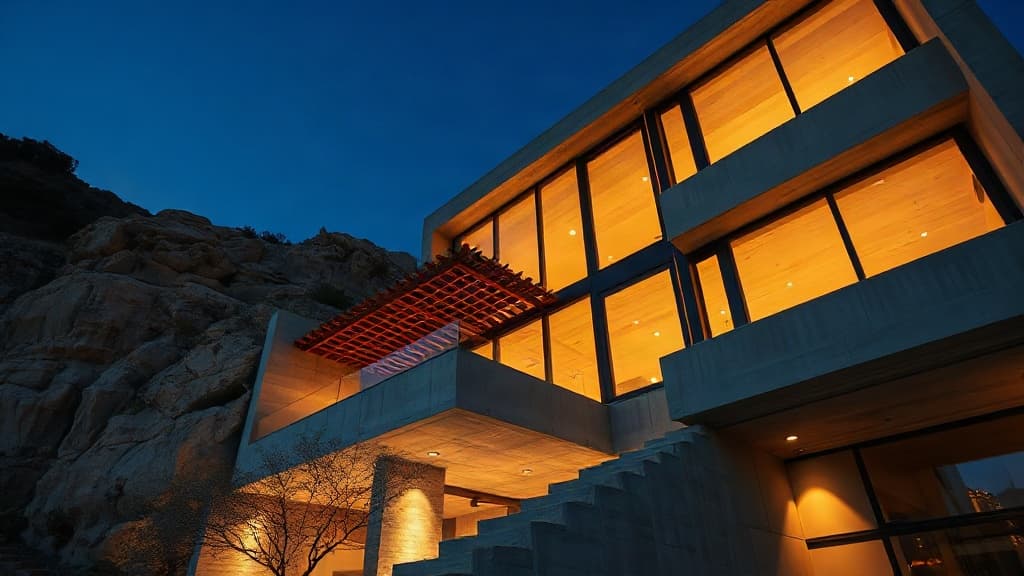
Architecture is born from a dialogue—a conversation between a designer’s imagination and the world around them. For residential design, inspiration is not a mystical bolt from the blue, but a cultivated practice of observation, where the forms, patterns, and textures of the natural and built environment provide a rich, untapped vocabulary. The challenge and artistry lie not in copying, but in translating these found inspirations into functional, deeply personal sanctuaries.
Look beyond the traditional portfolio. Consider the architect who studies the stratified layers of a canyon cliff, not to mimic its geology, but to understand its logic. This observation may translate into a home built in stepped terraces, where each level corresponds to a different function and view, creating a sense of grounded harmony. The inspiration is abstracted into a principle of layered living. Similarly, the rhythmic, sun-dappled pattern cast by a traditional wooden *mashrabiya* might inspire not a literal screen, but a modern façade system of louvers that dynamically control light and privacy throughout the day. The essence is captured, not the artifact.
The most successful residential projects often weave multiple strands of inspiration into a cohesive whole. A home might draw its robust materiality from the local stone of its region, its fluid floor plan from the open flow of a public plaza, and its delicate light play from the shadow patterns of a nearby forest. These real-world examples become a library of solutions, teaching us about passive cooling, spatial sequencing, and emotional resonance. They remind us that great design is responsive; it listens to its context, whether that context is a dramatic landscape or a dense urban fabric, and finds a language that speaks to it.
Ultimately, this process of seeking and synthesizing inspiration is what moves a house from being a mere structure to becoming a home with soul. It connects the inhabitants to broader narratives—of place, of culture, of nature. The next time you find yourself captivated by a particular space or form, ask yourself what underlying principle you're responding to. That answer could be the seed of your future living environment. To continue exploring how conceptual ideas become livable realities, [see more Architecture stories](/architecture/residential).
Read Also
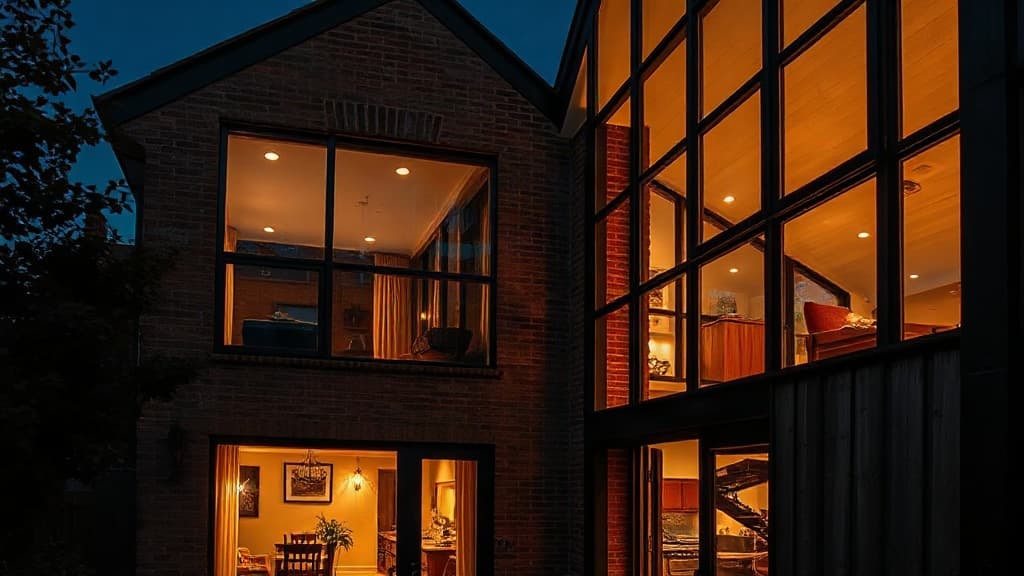
Guide
Your Blueprint for Clarity: Practical Architecture Tips Before You Build or Renovate
Transform your home project from overwhelming to outstanding with these foundational, practical insights from architectural thinking. A guide for the decisive homeowner.
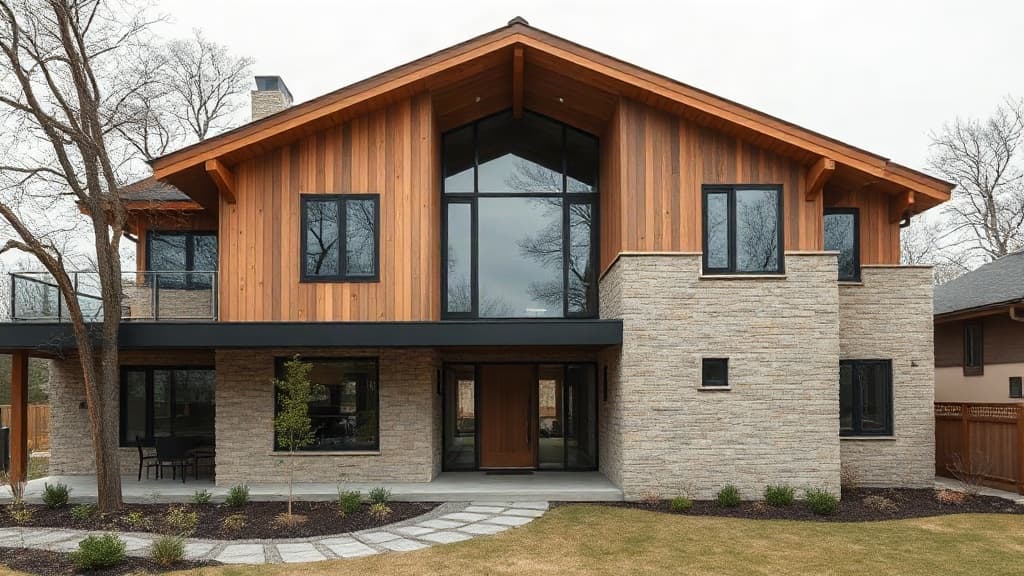
Feature
Beyond the Blueprint: How Materials, Light & Detail Shape the Soul of a Home
True residential architecture transcends layout. We explore how the thoughtful orchestration of tactile materials, curated light, and intentional detail creates spaces that feel truly lived-in.
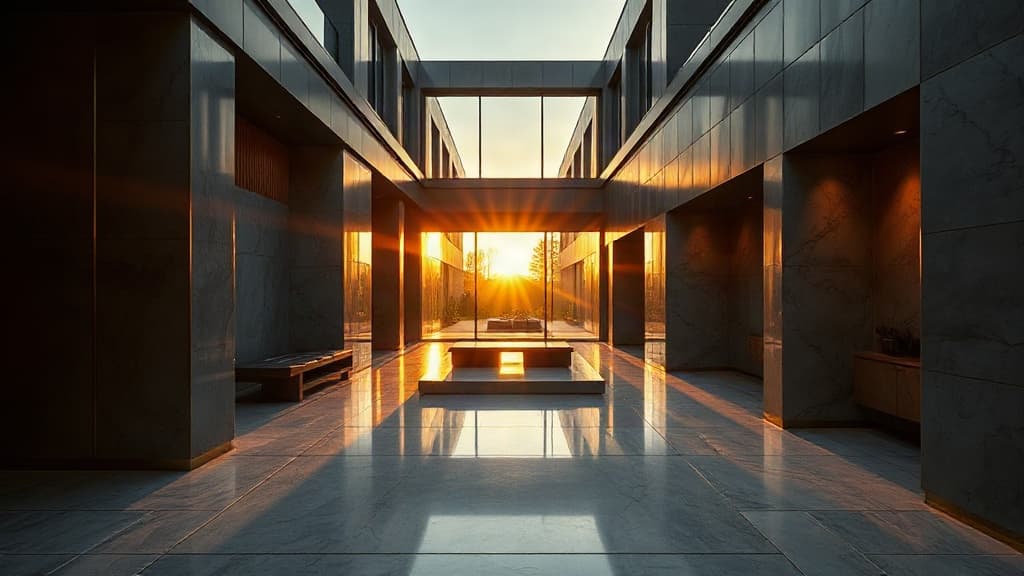
Feature
The Human Scale: Foundational Principles for Residential Architecture
Residential architecture is the art of designing not just houses, but homes. We explore the core principles that transform built spaces into personalized sanctuaries that support and inspire daily life.