Design
Foundations of the Future: The Guiding Principles of Sustainable Architecture
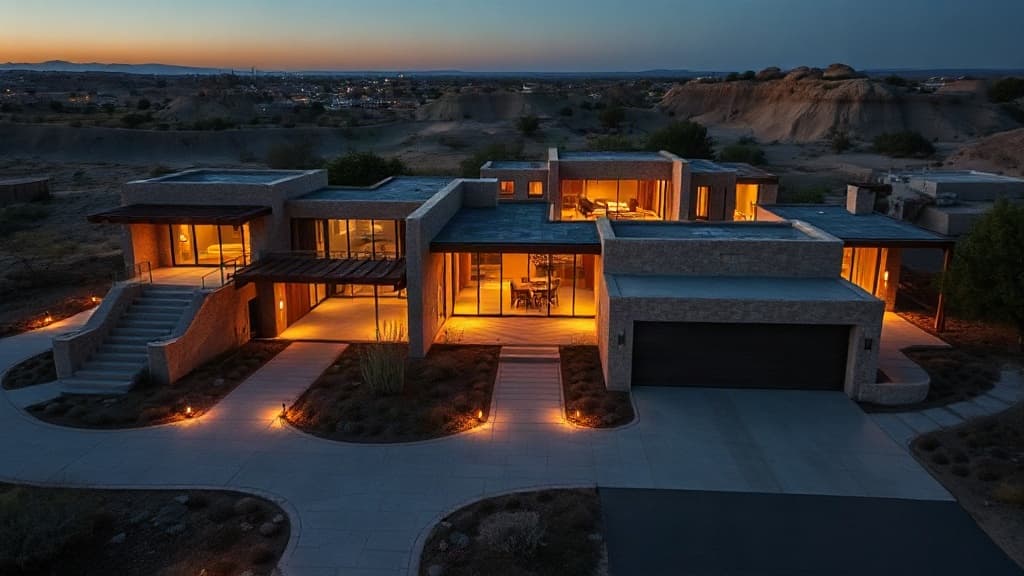
Sustainable architecture has evolved from a niche trend into a foundational necessity, a response to the urgent call of our climate and ecological crises. It moves far beyond simply adding solar panels or a green roof. At its heart, it represents a profound philosophical shift—a commitment to designing buildings that exist in symbiotic harmony with their environment, conserve precious resources, and nurture the wellbeing of their inhabitants. This is not a style, but a mindset; a set of guiding principles that inform every decision, from the grand concept to the smallest detail.
The journey begins with a holistic understanding of place, a principle known as bioclimatic design. A truly sustainable building is not imposed upon a site but emerges from a deep dialogue with it. Architects become interpreters of sun paths, prevailing winds, topography, and local ecosystems. In a desert climate, this might mean designing for thermal mass and shaded courtyards to combat heat, while in a temperate region, it prioritizes maximizing natural daylight and passive solar gain. The orientation, form, and envelope of the building are its first and most powerful tools for energy efficiency, long before any mechanical system is considered.
This site-specific logic extends to the crucial principle of material stewardship. Sustainable design demands a rigorous life-cycle assessment of every substance used. Where did it come from? How much energy was required to produce and transport it? Is it durable, non-toxic, and ultimately recyclable or biodegradable? The focus shifts to locally sourced, natural, or recycled materials—rammed earth, reclaimed timber, bamboo, or low-carbon concrete alternatives. This principle champions a 'circular economy' in construction, viewing buildings not as endpoints but as future material banks.
Ultimately, these principles converge on human and ecological vitality. Sustainable architecture is inherently about creating healthy indoor environments with abundant fresh air, natural light, and non-toxic materials. It also actively seeks to restore and support local biodiversity through green roofs, living walls, and permeable landscapes that manage stormwater. The goal is a net-positive impact: structures that give back more than they take, generating their own energy, cleaning their own water, and enhancing their ecological context. As we reimagine our built world, these principles offer a clear blueprint for resilience and responsibility. For a deeper dive into innovative applications of these ideas, we invite you to [see more Architecture stories](/architecture/sustainable).
Read Also

Feature
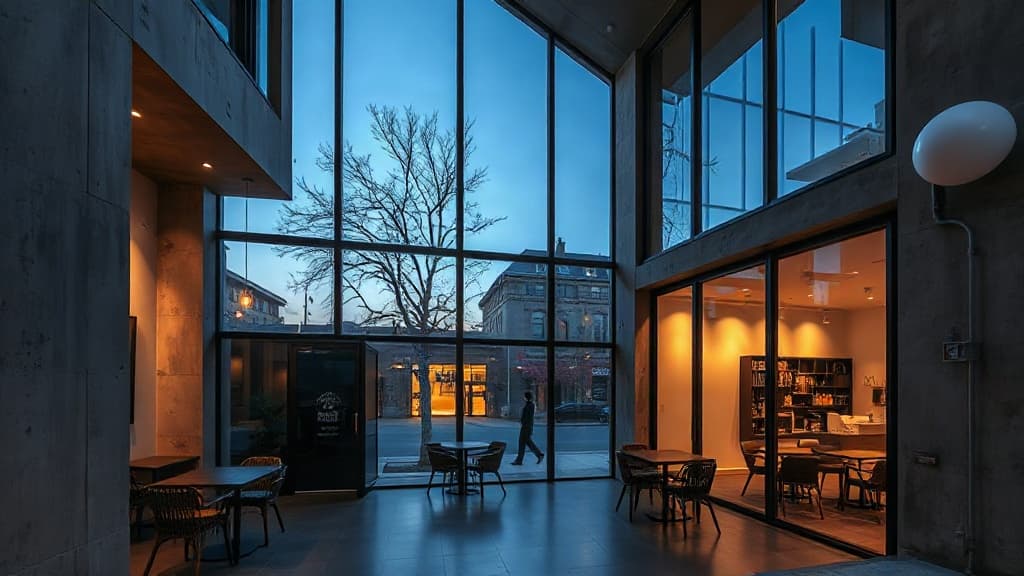
From Facade to Function: Where Commercial Architecture Sparks Innovation
Commercial architecture is a dynamic testing ground where ambition, brand identity, and public experience converge to shape the spaces where we work, shop, and gather.
Guide
Shop Like an Architect: Everyday Lessons for Your Home
What makes a cafe, a shop, or an office compelling? We translate the core principles of successful commercial architecture into practical, actionable tips for your living space.
Feature
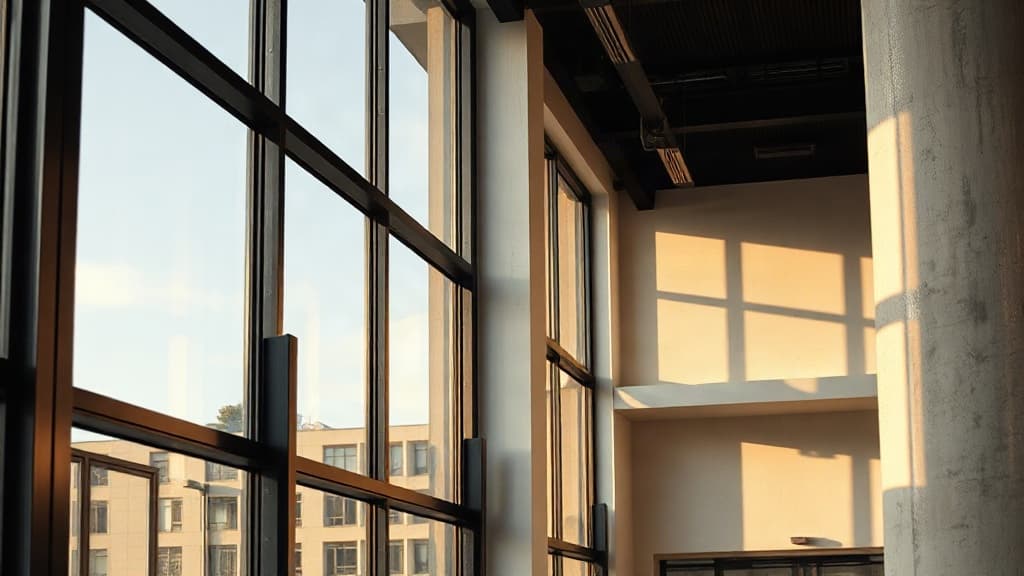
The Silent Commerce: How Materials, Light & Detail Engineer Human Behavior
Beyond aesthetics, commercial architecture deploys materiality, illumination, and meticulous detail as psychological tools that guide movement, decision-making, and perception.