Beyond the Blueprint: How Narrative Fuels the Future of Commercial Spaces
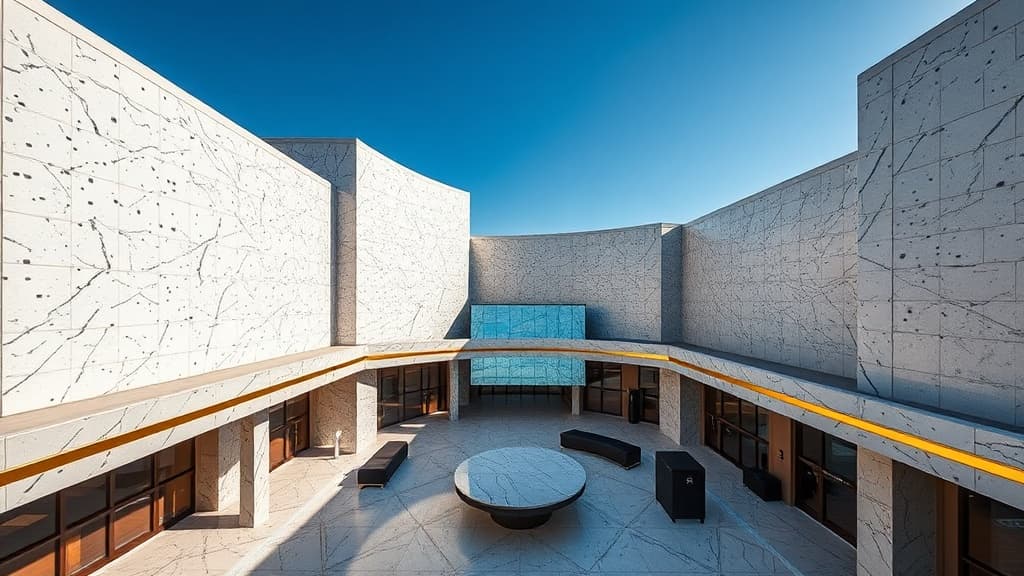
Commercial architecture has long moved past the sterile glass box. Today, the most resonant projects are conceived not merely as containers for commerce but as three-dimensional narratives. The new paradigm asks: What story does this building tell? Whose aspirations does it house, and what community dialogue does it invite? The architect's role has evolved from space planner to storyteller, translating brand ethos, cultural context, and human experience into physical form. The inspiration is no longer drawn solely from architectural canon but from literature, local lore, environmental patterns, and the kinetic energy of the street.
This narrative-first approach is vividly demonstrated in the rise of the 'cultural anchor' commercial project. Consider a flagship store that forgoes maximalist displays for curated, gallery-like spaces that echo local artisanal traditions. Its inspiration isn't a competitor's layout but the region's craft history and the tactile quality of its materials. The architecture becomes a quiet ambassador, building value not through shouting but through resonance. Similarly, modern co-working spaces draw inspiration from the organic, serendipitous collisions of a vibrant public square rather than the rigid efficiency of a corporate floorplan. The design goal shifts to fostering connection, with circulation encouraging 'meetings' at landings, and varied workspace typologies catering to different chapters of a workday.
Perhaps the most potent real-world examples emerge where commercial architecture actively stitches itself into the urban fabric. A new café isn't just a box with a sign; its façade engages the sidewalk, its seating spills onto a public plaza, and its material palette references the historic brick of the adjacent lane. The inspiration is the existing rhythm and character of the neighborhood. The building performs commercially by first performing socially, becoming a trusted node in the daily commute. This creates a powerful, authentic magnetism that no generic design could replicate. The lesson is clear: the deepest commercial viability springs from genuine contribution to place.
Ultimately, the future of commercial architecture belongs to those who design with empathy for narrative—the narrative of the brand, the user, and the city itself. It's a practice of listening before drawing. For more on how design shapes our shared spaces, see more Architecture stories.
Read Also
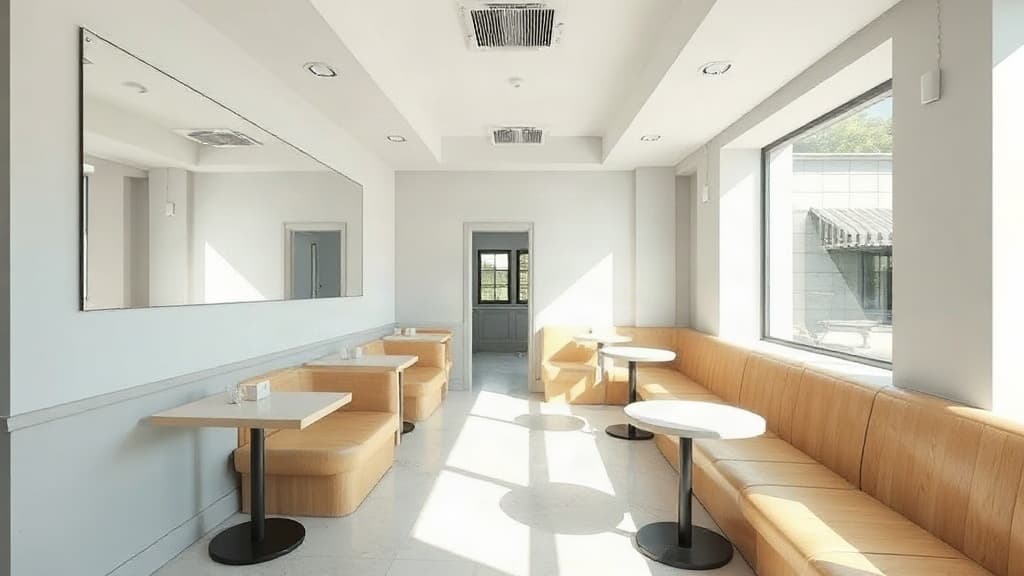
15 Small Cafe Interior Design Ideas to Maximize Your Space
Learn how to design a small cafe with layout, furniture, and lighting strategies that make the space feel larger and function smoothly.
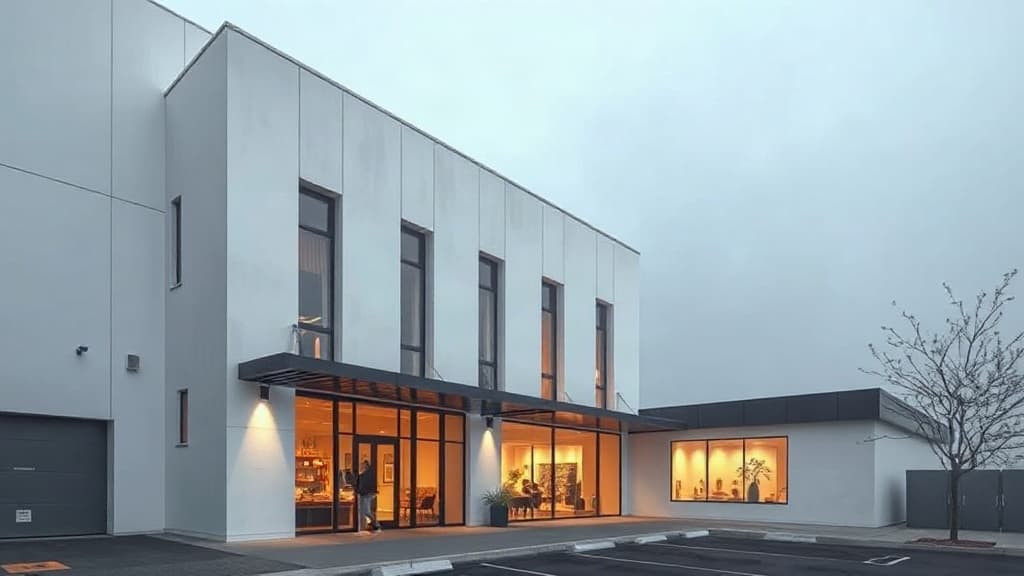
From Facade to Function: Where Commercial Architecture Sparks Innovation
Commercial architecture is a dynamic testing ground where ambition, brand identity, and public experience converge to shape the spaces where we work, shop, and gather.
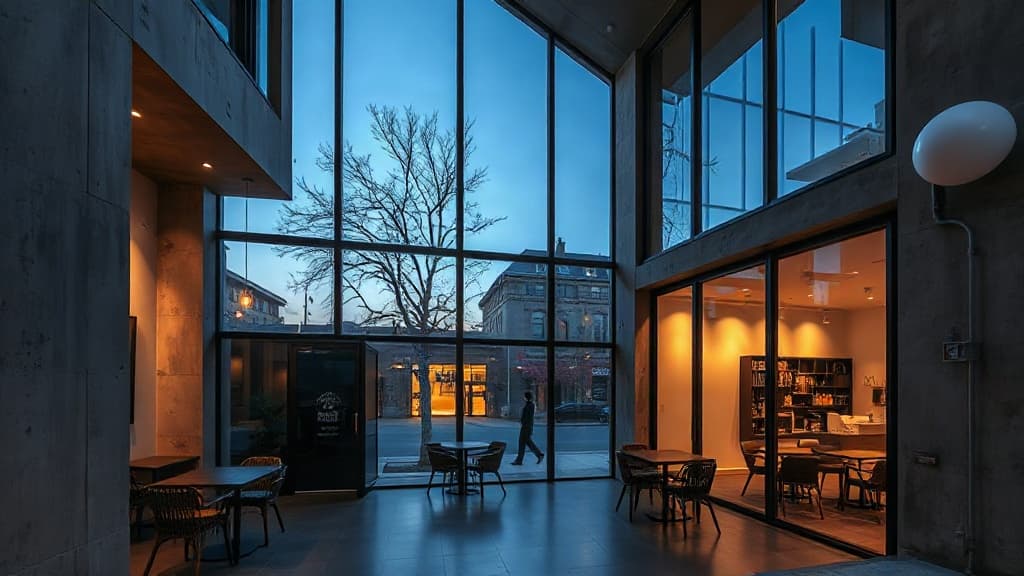
Shop Like an Architect: Everyday Lessons for Your Home
What makes a cafe, a shop, or an office compelling? We translate the core principles of successful commercial architecture into practical, actionable tips for your living space.