15 Classic Kitchen Design Ideas for a Timeless Look
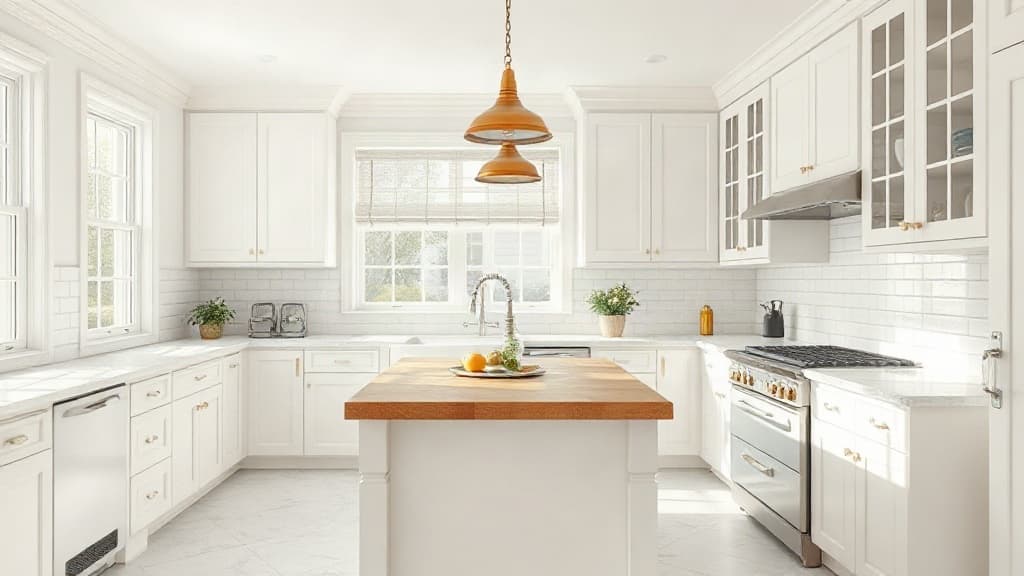
Classic kitchen design creates a warm, orderly space that lasts for decades. It focuses on quality materials, balanced proportions, and details like paneled cabinetry and traditional hardware. This look avoids trends in favor of proven, functional beauty.
1. Start with Shaker-style Cabinetry
Shaker cabinetry is the most reliable choice for a classic kitchen. The recessed center panel and simple frame create a clean, structured look. Choose a full-overlay door where the door covers most of the cabinet frame for a seamless appearance. The standard profile for the recessed panel is about 2.5 cm (1 inch) deep, creating a subtle shadow line.
Paint the cabinets in a soft, neutral color like Farrow & Ball's Pavilion Gray or a warm white. For a wood finish, use quarter-sawn or rift-sawn oak with a clear, matte lacquer. Avoid high-gloss paints or heavily distressed finishes that can look more rustic than classic. A common mistake is using a door profile that is too ornate or has a raised panel, which shifts the style towards traditional rather than classic Shaker.
2. Install a Solid Wood Countertop
Butcher block or solid wood countertops add immediate warmth and a tactile quality to a classic kitchen. Maple and walnut are durable, food-safe choices. A standard thickness is 4 cm (1.5 inches) for a substantial feel. You need to maintain a wood countertop with regular oiling to prevent stains and water damage.
Use wood on an island or a secondary prep area rather than the entire kitchen if you are concerned about maintenance. Pair it with stone or quartz countertops on the main perimeter. The wood's natural grain and variation are part of its classic appeal. Do not install it directly next to a sink without a very thorough and frequent sealing routine.
3. Use Classic Subway Tile for the Backsplash
White 7.5 cm by 15 cm (3 by 6 inch) subway tile installed in a classic brick pattern is a foundational element. Use a light gray or white grout for a clean, unified look. For more detail, use a beveled-edge tile, which catches the light. The tile should extend from the countertop to the bottom of the wall cabinets, a standard height of about 45 cm (18 inches).
For a different approach, use the same subway tile but install it in a herringbone pattern. This adds visual interest while keeping the material palette simple. In a classic kitchen, avoid brightly colored, glossy, or metallic mosaic tiles. They will conflict with the calm, understated mood you are trying to create.
4. Choose a Farmhouse or Apron-front Sink
A fireclay or enameled cast iron farmhouse sink is both practical and stylistic. The deep, single basin is ideal for washing large pots. The standard width for a single-bowl farmhouse sink is 60 cm (24 inches). Ensure your base cabinet is built to support its significant weight. The exposed front apron becomes a focal point.
Pair the sink with a widespread faucet in a brushed nickel or unlacquered brass finish. The faucet should have separate hot and cold handles, not a single lever. This style references pre-plumbing era designs. Avoid pairing a farmhouse sink with a modern, high-arc faucet, as the styles will clash.
5. Incorporate Open Shelving in a Limited Way
One or two sections of open shelving break up a wall of cabinets and provide display space. Use solid wood shelves at least 2.5 cm (1 inch) thick for a substantial look. The standard depth for a shelf above a counter is 30 cm (12 inches). Space shelves about 30-35 cm (12-14 inches) apart vertically.
Style the shelves with simple, matching dishware, glass canisters, and a few cookbooks. Do not overcrowd them. The goal is to show useful, beautiful items, not to store everything. A common mistake is installing too many open shelves, which leads to visual clutter and demands constant tidying.
6. Select Traditional Cabinet Hardware
Hardware acts as jewelry for your cabinetry. Bin pulls (cup pulls) and classic knob designs in unlacquered brass, oil-rubbed bronze, or iron are authentic choices. For drawers 60 cm (24 inches) or wider, use two pulls. The standard placement for a knob is 2.5 to 5 cm (1 to 2 inches) from the corner of the cabinet door.
Unlacquered brass will develop a patina over time, which is desirable in a classic kitchen. Ensure all hardware is the same finish throughout the space for consistency. Avoid mixing metals or using overly sleek, minimalist bar pulls, as they will introduce a contemporary note.
7. Design with Symmetry and Balance
Classic design relies on visual balance. Flank a window with two equally sized cabinets. Center your range hood or cooktop on a wall or island. If you have glass-front cabinets, arrange the items inside them symmetrically. This creates a sense of order and calm.
The kitchen island should be proportional to the room. A good rule of thumb is to maintain at least 100 cm (40 inches) of walkway clearance on all sides. An island that is too large will make the kitchen feel cramped, while one that is too small will look insignificant. Balance is about function as much as sight.
8. Install Classic Lighting Fixtures
Pendant lights over an island and a chandelier over a table area are key. Look for lantern-style pendants, schoolhouse globes, or simple drum shades in metal and glass. For an island, hang two or three pendants evenly spaced. The bottom of the pendant should typically hang 75-85 cm (30-34 inches) above the countertop.
Use recessed ceiling lights for general ambient lighting, but ensure they are on a dimmer switch. Under-cabinet lighting is essential for task illumination on countertops. Choose warm white LED strips (2700-3000 Kelvin) to avoid a cold, clinical light. Avoid track lighting or futuristic sculptural fixtures.
9. Use a Neutral and Warm Color Palette
Stick to a palette of whites, creams, grays, and soft blues or greens. These colors make the space feel light, airy, and expansive. Use a slightly deeper color on the island, like a navy or sage green, to ground the space. Paint colors should be matte or eggshell, not high-gloss.
The warmth comes from wood tones and metal finishes. Incorporate wood on the floor, open shelves, or a beam. Use brass or bronze hardware and faucets. Avoid cool, stark whites paired with black and chrome, as this creates a modern, not classic, feel. For more Classic & Traditional Kitchens ideas, explore how color affects the entire mood.
10. Choose a Natural Stone Countertop
Carrara or Calcutta marble, honed granite, or quartzite in light colors are classic choices. A 2 cm (3/4 inch) thickness with a eased edge is standard. If using marble, accept that it will etch and patina with use, which is part of its character. For less maintenance, a quartz that mimics the subtle veining of marble is a good alternative.
The countertop should have a simple, integrated backsplash that is 4-5 cm (1.5-2 inches) high. This is called a "splash" and is cleaner than a separate tile backsplash in some applications. Avoid bold, dramatic stones with high contrast veining or intensely colored granites, as they can dominate the kitchen.
11. Add Character with a Range Hood
A custom wood or plaster range hood is a major architectural feature. It should be proportionate to your range, typically 15 cm (6 inches) wider than the cooktop. A simple, tapered design that vents to the outside is both functional and beautiful. You can panel it to match your cabinetry or paint it a contrasting color.
If a custom hood is not possible, choose a high-quality stainless steel canopy hood and build a simple wood frame around it. This gives a built-in look. Avoid cheap, overly ornate metal hoods that look like an afterthought. The hood should feel like an integral part of the kitchen's architecture.
12. Select a Classic Flooring Material
Wide-plank hardwood floors in oak or maple, finished with a matte sealant, are ideal. Planks should be at least 15 cm (6 inches) wide. The color should be a natural tone or a light whitewash. Another option is classic cement or quarry tiles in a neutral color, laid in a simple grid pattern.
Ensure the flooring runs continuously into adjacent rooms if possible, which makes the space feel larger. Avoid narrow strip flooring, high-gloss polyurethane finishes, or trendy patterned tiles. The floor should be durable and quiet, providing a neutral foundation for the room.
Key takeaways
Choose Shaker cabinetry in a neutral paint or wood stain. Use classic materials like subway tile, butcher block, and marble. Prioritize symmetry and balanced proportions in your layout. Select traditional hardware and lighting to complete the authentic, timeless look.
Frequently Asked Questions
What is the most important element in a classic kitchen?
The cabinetry sets the tone. Shaker-style doors with a recessed panel and full-overlay installation are the most reliable choice. Paint them a soft neutral or use a clear wood finish on oak. Avoid ornate profiles or high-gloss paints.
What type of countertop is best for a classic kitchen?
Butcher block or solid wood on an island adds warmth. For main counters, Carrara marble or honed granite are classic. Use a standard 2 cm thickness with a simple edge. Accept that natural stone will develop a patina with use.
What colors should I use in a classic kitchen?
Use a neutral palette of whites, creams, grays, or soft blues. Add warmth with wood tones and brass or bronze metal finishes. Paint the island a slightly deeper color, like navy or sage, to ground the space. Avoid stark, cool contrasts.
How do I choose lighting for a classic kitchen?
Use lantern-style pendants or schoolhouse globes over the island. Hang them 75-85 cm above the counter. Install recessed lights on a dimmer for ambient light and under-cabinet LEDs for tasks. Choose warm white bulbs, not cool white.
Read Also
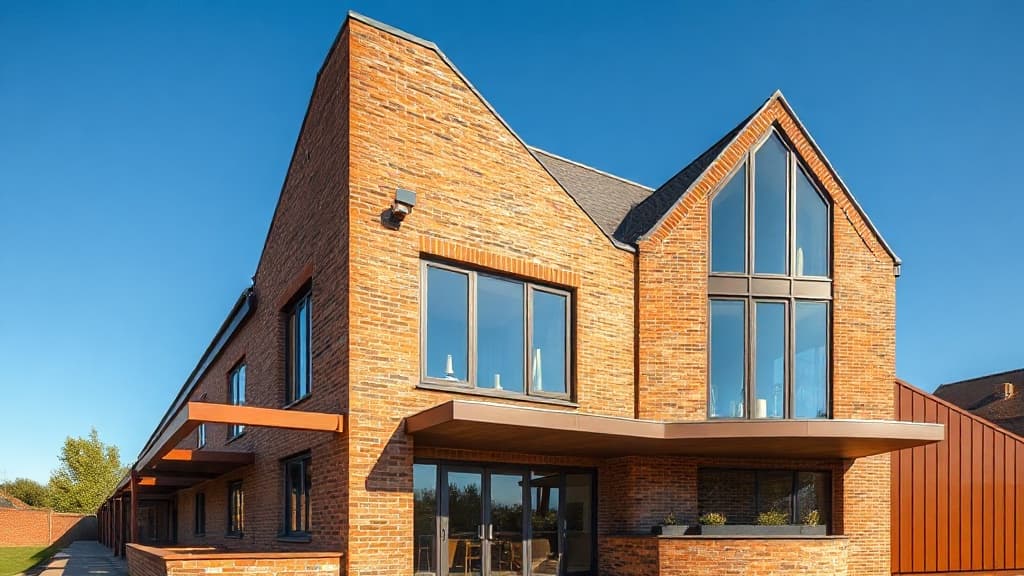
The Stories in the Grain: Finding Inspiration in Classic & Traditional Kitchens
Moving beyond the principles, we explore real-world classic kitchens that show how traditional design provides a warm, enduring, and deeply personal culinary stage.
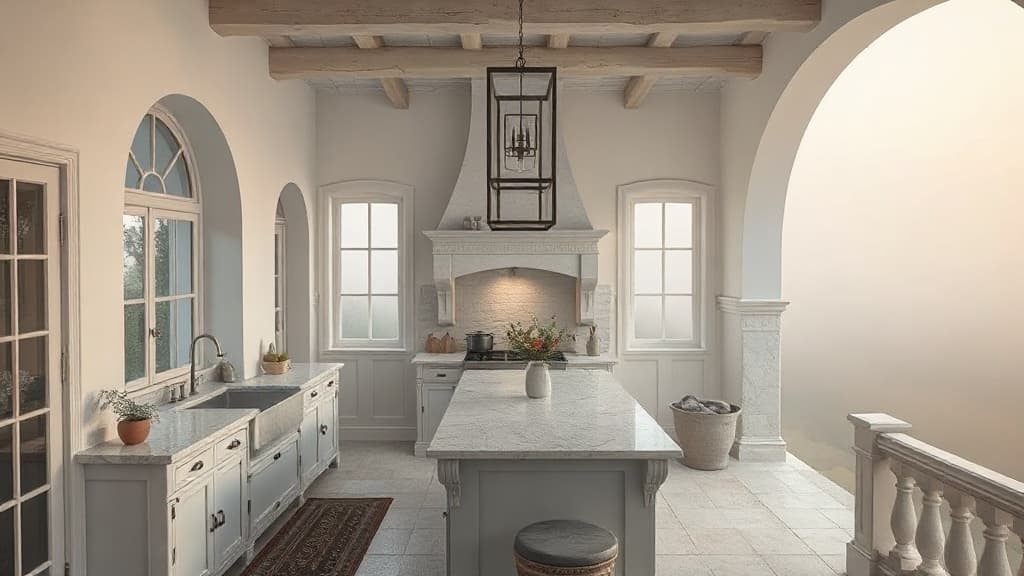
Classic & Traditional Kitchens: Practical Tips for a Timeless Hub
Discover how to integrate the enduring appeal of classic kitchen design with practical, modern functionality. Our guide offers actionable advice for homeowners seeking warmth and longevity.
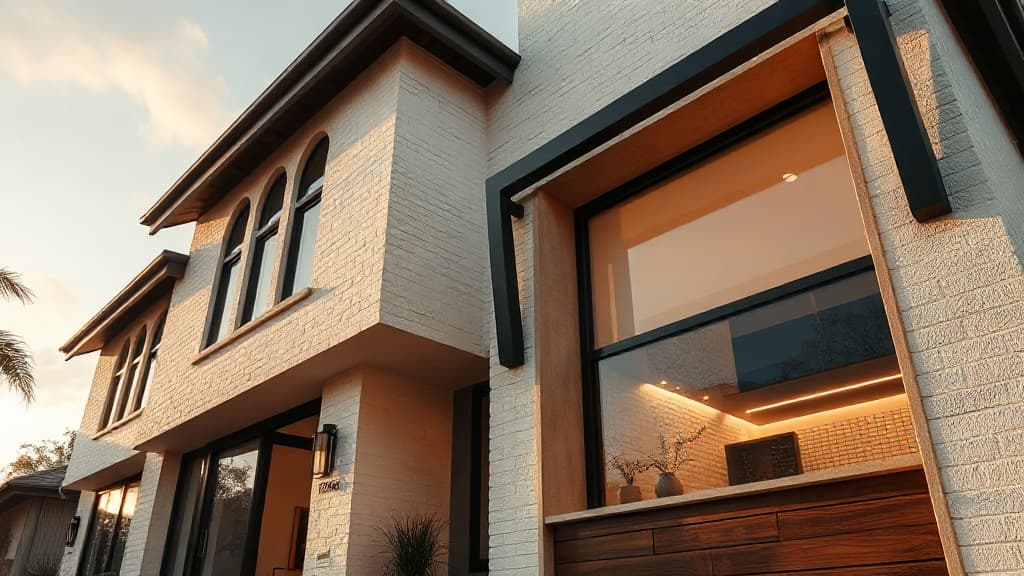
The Timeless Heart: How Materials, Light & Detail Define Classic Kitchen Character
Moving beyond mere nostalgia, we explore how the careful orchestration of materiality, illumination, and artisanal detail creates the soul of a classic kitchen.