The Timeless Heart: How Materials, Light & Detail Define Classic Kitchen Character
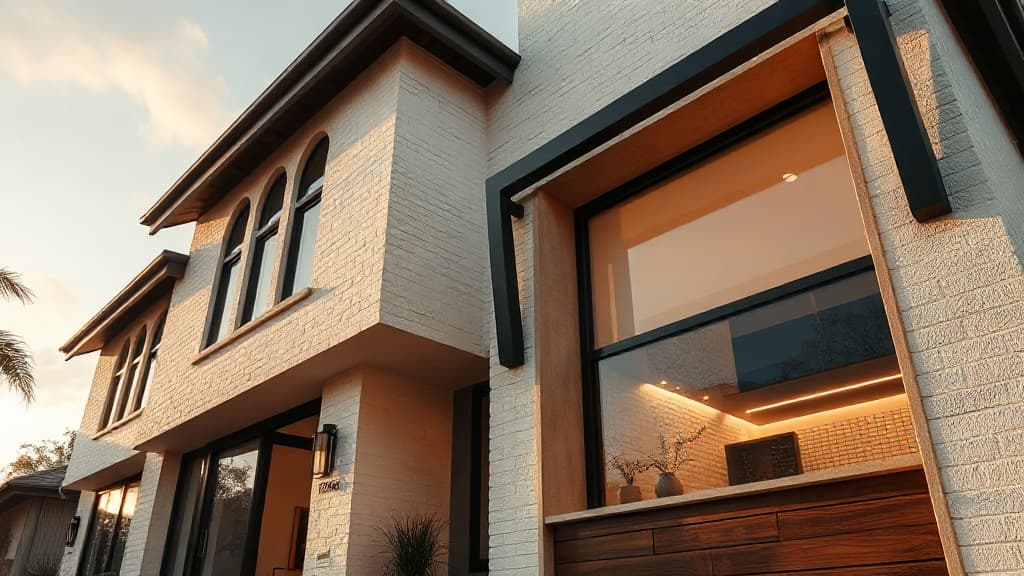
While modern kitchens often celebrate sleek minimalism and technological integration, the classic or traditional kitchen tells a different story—one of permanence, warmth, and layered history. This narrative is not authored by a single element but is a carefully composed symphony conducted through three fundamental principles: the weight and warmth of materiality, the atmospheric power of light, and the soulful punctuation of fine detail. Together, they transform a utilitarian space into the enduring, beating heart of a home.
The Substantiality of Material A classic kitchen begins with substance underfoot and at hand. It is a space that feels anchored, often through the use of natural materials that age with grace. Solid wood cabinetry, whether in a painted finish or showcasing a rich grain, provides a tactile, substantial presence. Stone countertops—marble, granite, or soapstone—offer a cool, enduring surface that bears the marks of daily life not as flaws, but as a developing patina. These materials are chosen not just for their beauty, but for their inherent character and ability to convey a sense of legacy, as if they have always belonged.
Light as Atmosphere In these spaces, light is rarely a single, harsh overhead source. Instead, it is layered to sculpt the room and evoke mood. Ambient light from shaded pendants or a central chandelier provides a soft, welcoming glow. Task lighting, discreetly integrated under cabinets, illuminates workspaces with clarity. The true magic, however, lies in accent lighting: the way a downlight grazes a textured plaster wall, or how morning sun slants across a farmhouse table. This deliberate play of light and shadow adds depth and drama, making the space feel alive and intimately scaled throughout the day.
The Language of Detail Here, detail is the whispered secret that elevates the ordinary. It is the millwork on a cabinet door—a raised panel, a beadboard inset, or a hand-carved corbel. It is the selection of traditional hardware: porcelain knobs, wrought-iron pulls, or unlacquered brass that develops a soft sheen over time. It is found in the deliberate reveal between countertop and backsplash, the choice of a patterned encaustic tile for the floor, or the inclusion of open shelving to display well-loved ceramics. These are not mere decorations; they are the grammar of a design language that speaks of craftsmanship and considered living.
The enduring appeal of a classic kitchen lies in this harmonious trinity. It is a design philosophy that prioritizes human sensation and temporal beauty over transient trends, creating a space that feels both grounding and generous. For those drawn to this aesthetic, the journey is one of thoughtful selection, where every element contributes to a cohesive, soulful whole. To continue exploring the nuances of culinary spaces, see more Kitchens stories.
Read Also
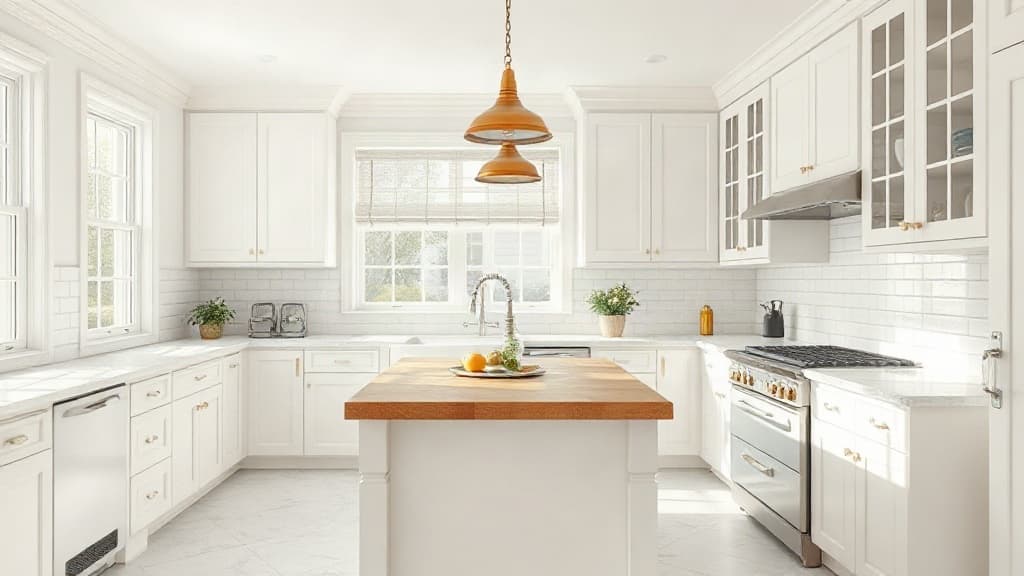
15 Classic Kitchen Design Ideas for a Timeless Look
Learn 15 practical ideas for a classic kitchen, from cabinetry profiles to lighting choices and countertop materials.
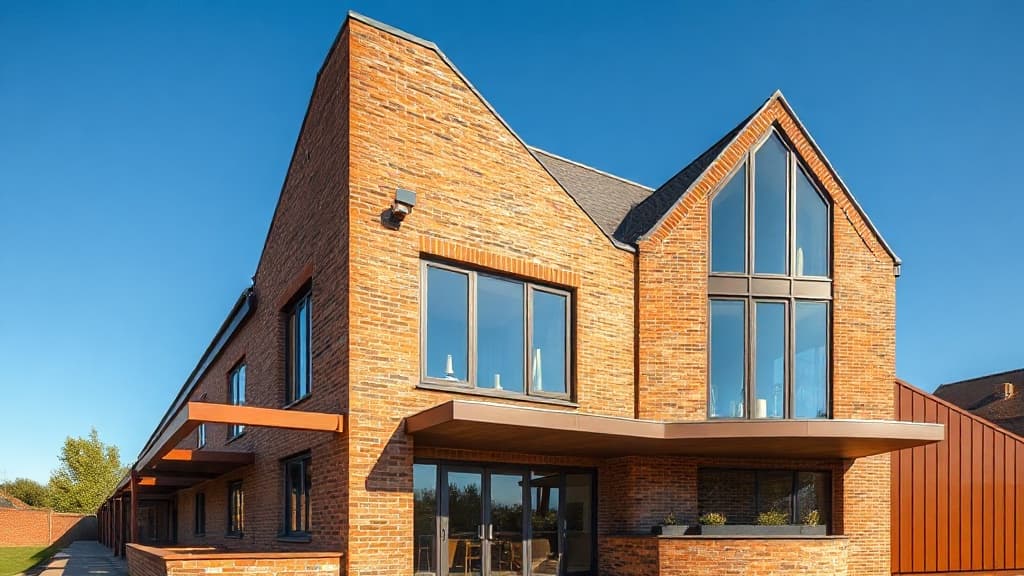
The Stories in the Grain: Finding Inspiration in Classic & Traditional Kitchens
Moving beyond the principles, we explore real-world classic kitchens that show how traditional design provides a warm, enduring, and deeply personal culinary stage.
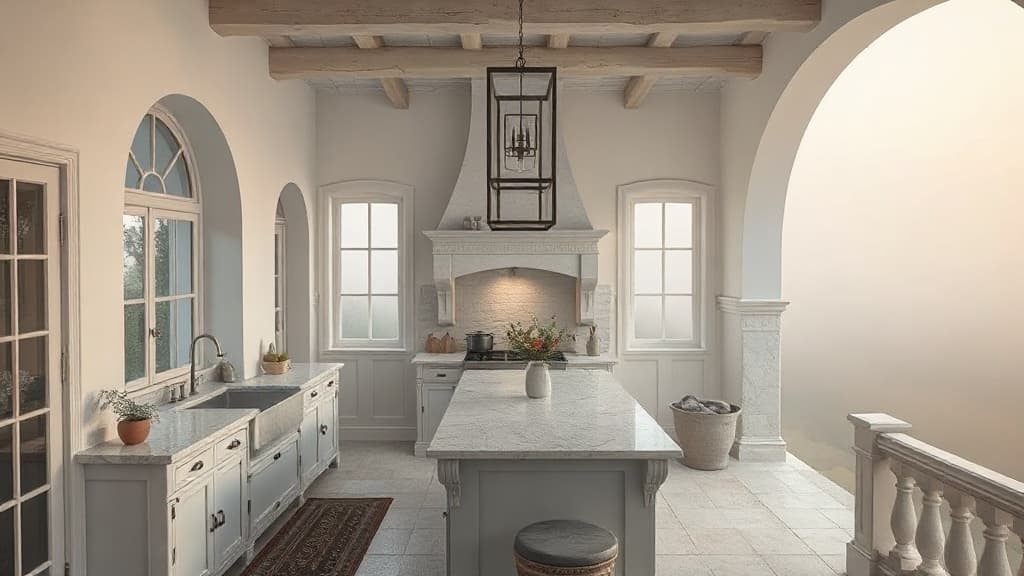
Classic & Traditional Kitchens: Practical Tips for a Timeless Hub
Discover how to integrate the enduring appeal of classic kitchen design with practical, modern functionality. Our guide offers actionable advice for homeowners seeking warmth and longevity.