The Stories in the Grain: Finding Inspiration in Classic & Traditional Kitchens
In an age of sleek minimalism, the classic kitchen stands as a quiet rebuttal—a space where warmth is engineered not by technology, but by history, craft, and lived-in comfort. While design principles provide a map, it is in the lived examples, the kitchens that have weathered years of family meals and festive gatherings, where true inspiration ignites. This is where the term 'traditional' earns its keep, evolving from a static style into a dynamic narrative told through wood grains, patinated metals, and the soft glow of purposeful lighting.
Consider the English Country kitchen, a masterclass in layered authenticity. Here, inspiration is found in the juxtaposition: the substantial, farmhouse-style oak table bearing the marks of time, set against cabinetry painted in earthy, muted greens or deep blues. Open shelving displays not perfect collections, but well-used pottery and inherited china, while a robust Aga cooker becomes the literal and metaphorical heart. It’s a look that doesn’t fear clutter but curates it, suggesting a space that is actively used and loved.
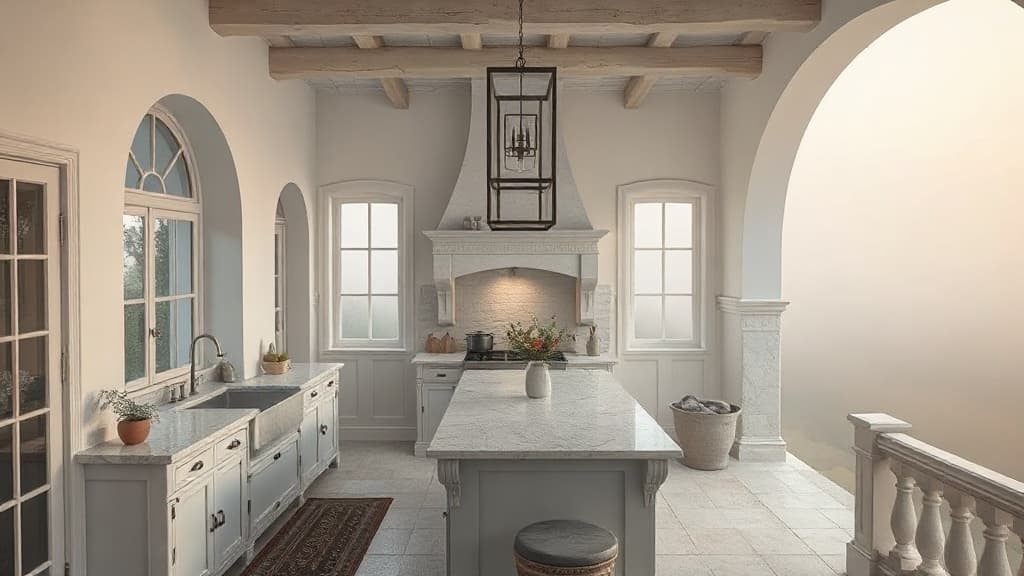
Alternatively, the refined elegance of a French Provincial kitchen speaks a different dialect of tradition. Inspiration here flows from elegant proportions and curated detail. Think of cabinetry with raised panel doors, often in a soft, chalky white or grey, adorned with slender brass or porcelain hardware. A natural stone countertop—perhaps limestone or marble with its inevitable honed patina—adds a touch of aristocratic age. The real-world application often includes a central island with a carved wood base, serving as a gentle anchor in the room. The lighting is equally considered: a statement chandelier in wrought iron or crystal provides both task illumination and a focal point of artistry.
Ultimately, the power of a traditional kitchen lies in its inherent adaptability. It is a framework that welcomes the personal collection, the family heirloom, and the slightly mismatched chair. It proves that classic design is not about recreating a museum period room, but about building a layered, soulful backdrop for daily life. Its enduring appeal is a testament to our desire for spaces that feel anchored and narrative-rich. For a deeper exploration of timeless culinary spaces, we invite you to see more Kitchens stories.
Read Also
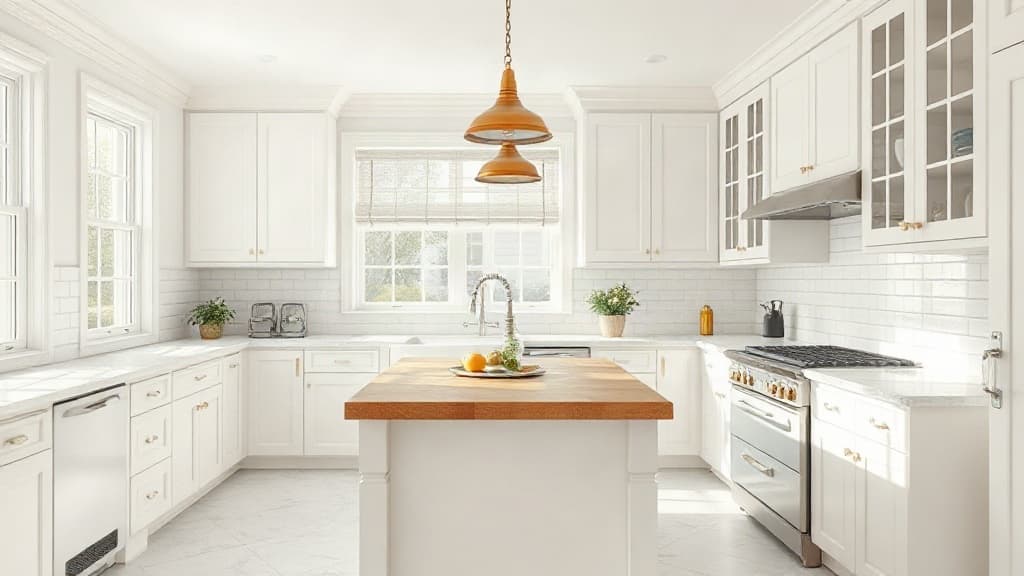
15 Classic Kitchen Design Ideas for a Timeless Look
Learn 15 practical ideas for a classic kitchen, from cabinetry profiles to lighting choices and countertop materials.
Classic & Traditional Kitchens: Practical Tips for a Timeless Hub
Discover how to integrate the enduring appeal of classic kitchen design with practical, modern functionality. Our guide offers actionable advice for homeowners seeking warmth and longevity.
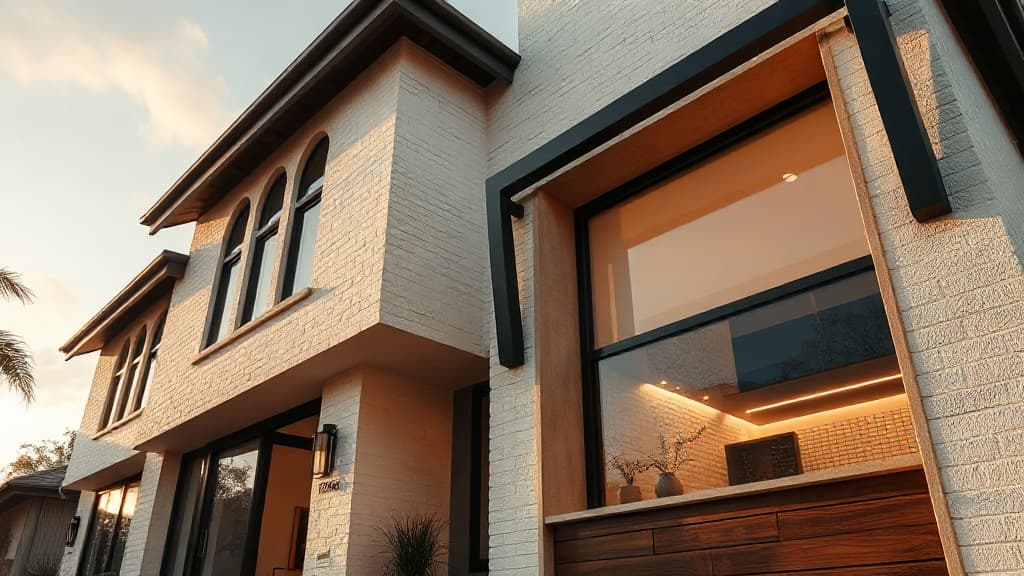
The Timeless Heart: How Materials, Light & Detail Define Classic Kitchen Character
Moving beyond mere nostalgia, we explore how the careful orchestration of materiality, illumination, and artisanal detail creates the soul of a classic kitchen.