Learning from Lobbies: What Your Home Can Borrow from Corporate Spaces
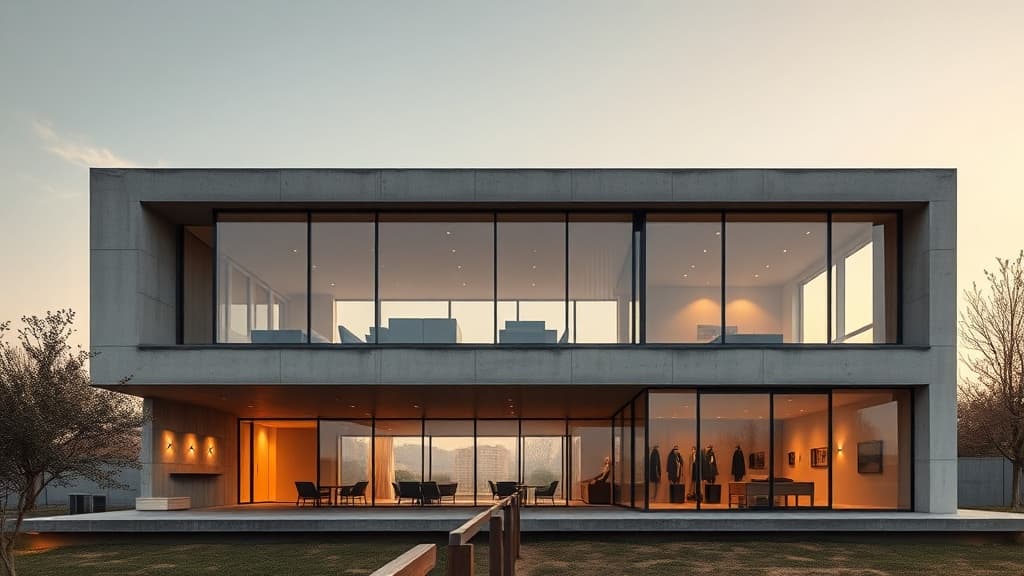
Commercial architecture exists to solve problems. Before a single line is drawn, designers of offices, retail stores, and hotels ask: How does the space need to function? Who moves through it, and what do they need to feel or do? This relentless focus on purpose and human experience isn't just for corporations; it's a playbook homeowners can borrow from to elevate their own domestic environments. By looking beyond aesthetics to the underlying logic of successful commercial design, you can inject a new level of practicality, flow, and long-term value into your most personal space.
The first lesson is in zoning. Just as an efficient office separates collaborative hubs from quiet work zones, your home benefits from defined 'departments'. Consider your daily routines as workflows. Could a dedicated 'landing strip' near the entrance, with storage for keys, bags, and mail, streamline your comings and goings like a hotel concierge desk? Perhaps a 'mudroom transition zone'—inspired by the practical entry sequences of many restaurants—can corral outdoor gear and protect your inner sanctuary. This intentional zoning reduces clutter and mental fatigue, making your home work for you.
Next, consider the power of a 'core experience.' In a flagship store, everything is designed to frame the product and guide the journey. At home, your core experience might be family connection, relaxation, or creativity. Identify it, then edit your space to support it relentlessly. Does your living room truly facilitate conversation, or is the furniture arranged passively toward a screen? Could you adopt the flexible, modular seating of a trendy café to make the space more adaptable? Commercial designers also master lighting layers—ambient, task, accent—to sculpt mood and function. Applying this principle means moving beyond a single overhead light to create pools of light for reading, subtle washes for ambiance, and focused light for tasks, transforming flat rooms into dynamic landscapes.
Finally, think like a developer investing in curb appeal and material longevity. The durable, easy-to-maintain materials specified for high-traffic lobbies and restaurants aren't just tough; they're often sustainably sourced and aesthetically timeless. Choosing such materials for high-wear areas in your home is a practical investment. Furthermore, the clear circulation paths of good commercial design prevent bottlenecks. Analyze the 'traffic flow' in your kitchen or hallway: is it intuitive and unobstructed? Simplifying these paths can make a small home feel larger and a busy one feel calmer. The goal isn't to make your house feel like an office, but to harness the intelligent problem-solving that makes great commercial spaces so effortlessly effective. For more insights into how professional design thinking can shape environments, see more Architecture stories.
Read Also
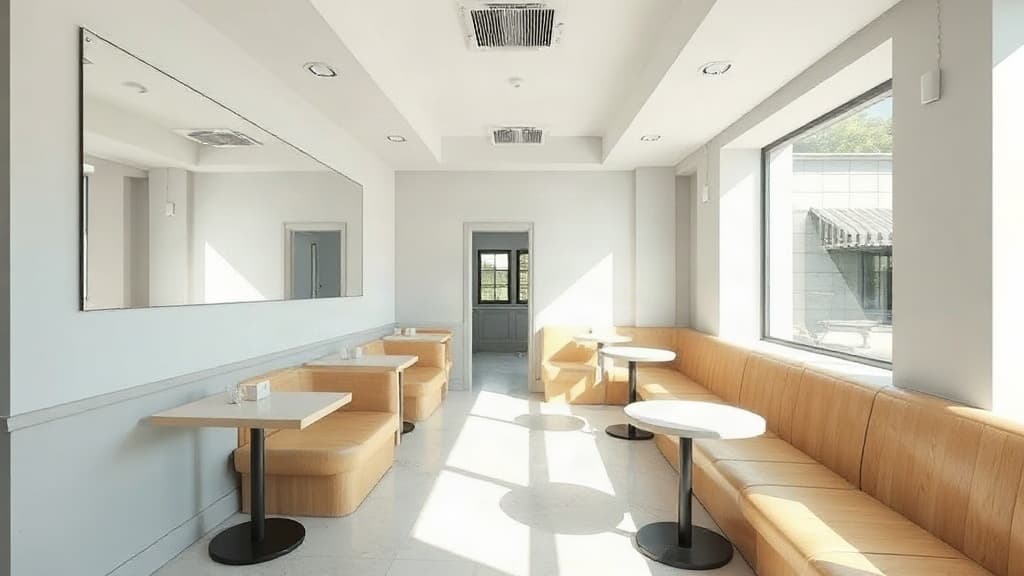
15 Small Cafe Interior Design Ideas to Maximize Your Space
Learn how to design a small cafe with layout, furniture, and lighting strategies that make the space feel larger and function smoothly.

From Facade to Function: Where Commercial Architecture Sparks Innovation
Commercial architecture is a dynamic testing ground where ambition, brand identity, and public experience converge to shape the spaces where we work, shop, and gather.
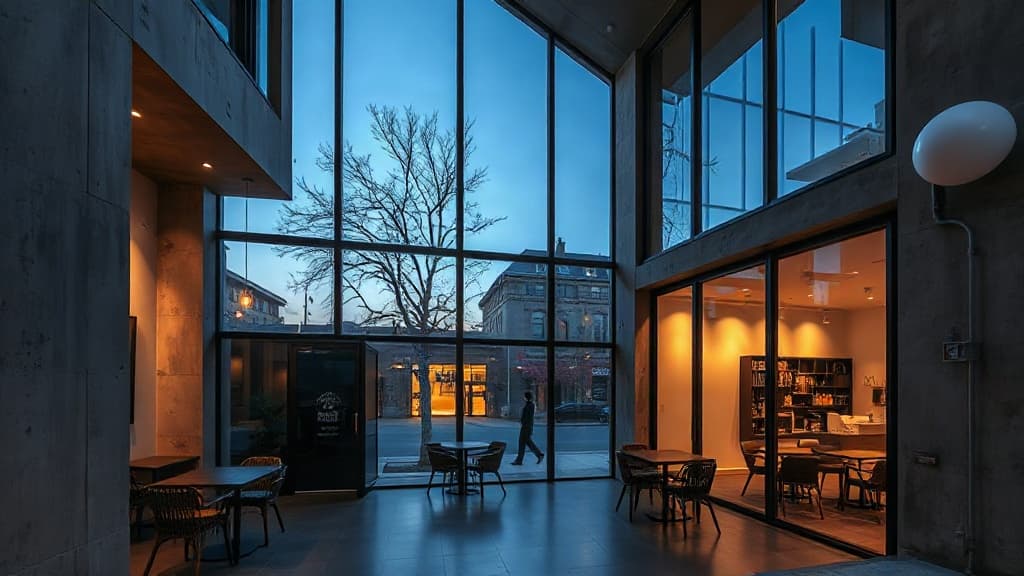
Shop Like an Architect: Everyday Lessons for Your Home
What makes a cafe, a shop, or an office compelling? We translate the core principles of successful commercial architecture into practical, actionable tips for your living space.