Tectonics of Care: The Unseen Craft of Conscious Design
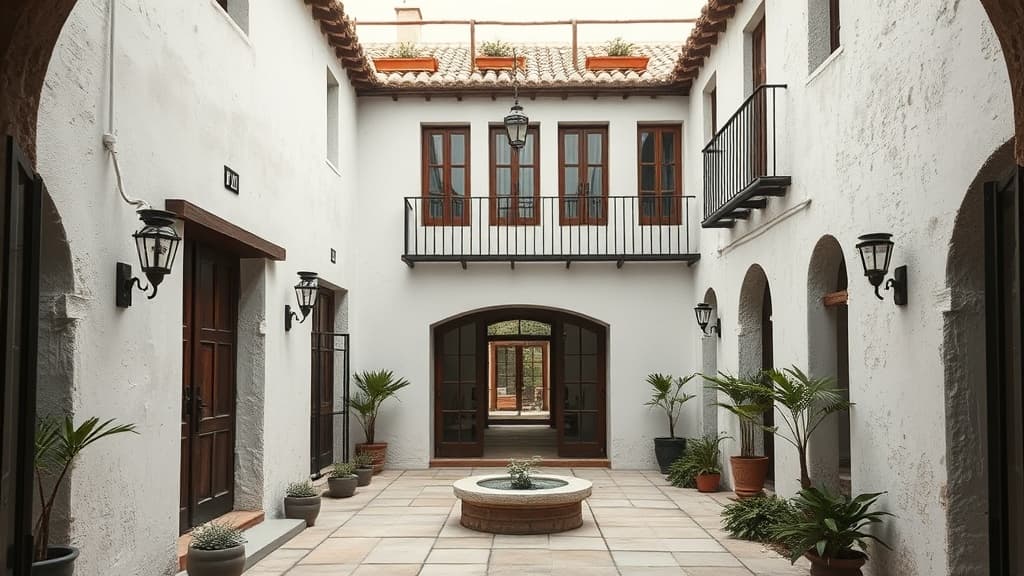
In the lexicon of sustainable architecture, the most compelling narratives are often written not in sweeping forms, but in the quiet language of its making. Beyond the foundational principles of energy efficiency and carbon neutrality lies a more intimate realm: the deliberate selection of materials, the poetic choreography of light, and the considered execution of detail. It is here, in this triad of tangible elements, that a building's true ecological and aesthetic conscience is forged.
The palette of a conscious structure begins with its skin and bones. We are moving past the era of simply using 'green' materials to a deeper interrogation of their biography and destiny. Rammed earth walls tell a story of locality, their thermal mass a gift from the very soil beneath the site. Reclaimed timber beams carry the patina of previous lives, their reuse a defiance of waste. Even concrete, when used with intent and high-volume fly ash, becomes a statement of reduced carbon intensity. The choice is no longer merely technical; it is tactile and ethical, inviting inhabitants to feel the provenance and purpose of the surfaces that surround them.
This material honesty is then animated by the masterful play of light. Sustainable design understands daylight as the ultimate renewable resource—a tool for wellbeing as much as for wattage reduction. It is about crafting apertures that sculpt and diffuse, not just illuminate. Deep window reveals catch the oblique morning sun, while carefully calibrated brise-soleils dance with the harsh midday beams, transforming light into a dynamic, energy-regulating presence. The aim is to create a luminous atmosphere that feels inherent, a quality that changes with the hour and season, reducing reliance on artificial systems and fostering a visceral connection to the natural world.
Finally, the ethos culminates in the details—the junctions, the transitions, the moments where thought becomes form. A rainwater chain, elegantly detailed in copper, makes the harvesting process visible and beautiful. A window seat nestled into a thick wall celebrates the insulation's depth, turning a technical necessity into a human sanctuary. It is in these precise moments that sustainability sheds any semblance of austerity and becomes richly experiential. The craft is not hidden but expressed, teaching and delighting in equal measure.
Ultimately, this approach weaves a building into its ecological and cultural context with profound subtlety. It demonstrates that the most responsible architecture can also be the most sensuous, where every material has a story, every ray of light a role, and every detail a purpose. For those captivated by this meticulous approach to form and function, see more Architecture stories.
Read Also
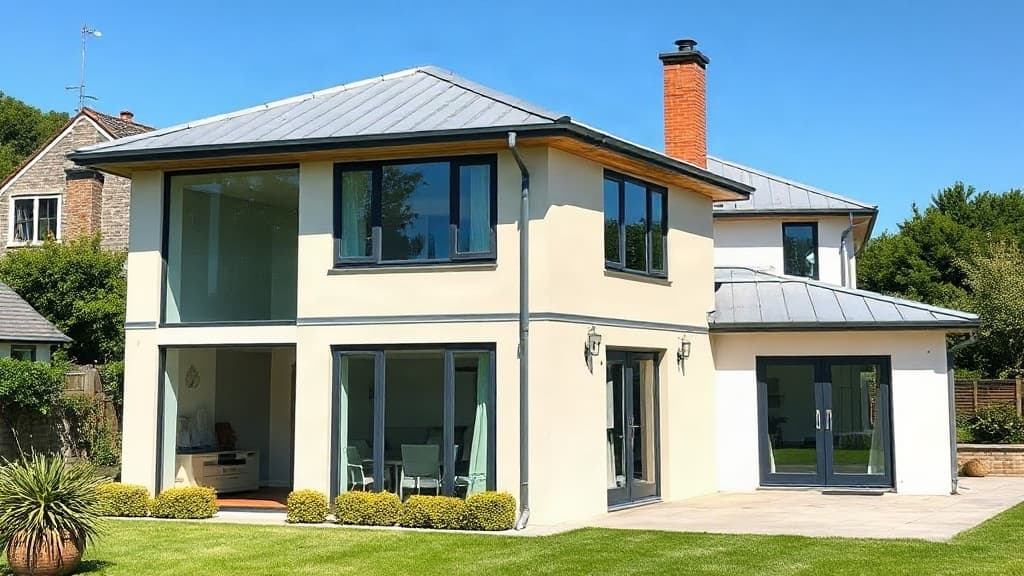
Passive House Design: 8 Core Principles Explained
Learn the eight core Passive House design principles that create homes using up to 90% less energy for heating and cooling.
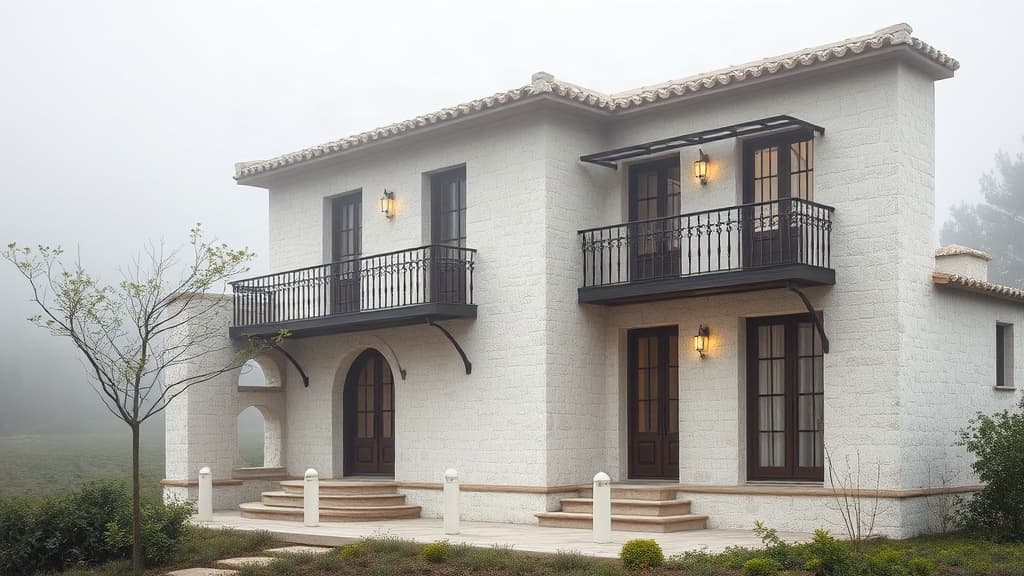
When Architecture Grows: Living Buildings Shaping Our Future
Beyond theory, sustainable architecture is a living, breathing reality. We explore visionary projects where built environments actively heal, regenerate, and inspire.

Your Home's Green Print: Simple Steps for Sustainable Living
Sustainable architecture isn't just for new builds; it's a practical approach any homeowner can adopt. Discover actionable strategies to enhance your home's efficiency and comfort.