The Currency of Space: How Commercial Architecture Exchanges Design for Experience
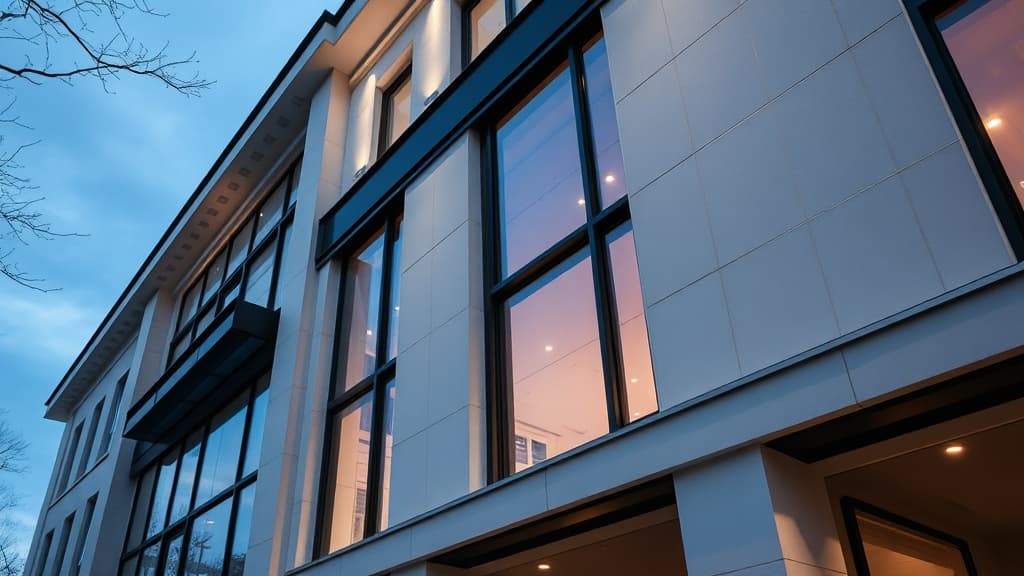
Commercial architecture is often mischaracterized as a purely functional discipline, a vessel merely for retail, hospitality, or office activity. In truth, it is a dynamic economic and social interface, a built environment explicitly designed to facilitate an exchange. This exchange is not merely financial; it is an intricate trade of space for time, design for attention, and atmosphere for loyalty. The most successful commercial projects understand that they are not just selling a product or service within their walls—they are selling the experience of the space itself. This shifts the architect's role from a problem-solver to a strategist, crafting environments that directly contribute to a brand's narrative and bottom line.
The foundational principle of this architecture is its user-centricity, a concept far deeper than simple accessibility. It demands a granular understanding of human behavior, traffic flow, dwell time, and sensory engagement. A lobby is choreographed to manage first impressions; a restaurant's layout is tuned to balance privacy with energy; a flagship store becomes a navigable journey of discovery. This deliberate orchestration aims to reduce friction and amplify the desired emotional response—whether it's calm efficiency in a co-working hub or exhilarating discovery in a concept store. The space becomes a silent, persuasive actor in the consumer's journey.
Materializing this strategy requires a synthesis of branding and placemaking. The architectural language—its forms, materials, and light—must become a tangible, walkable expression of the brand's identity. Sustainability and technological integration are no longer add-ons but core components of this identity, signaling values to a discerning public. The result is a built asset that functions on multiple levels: as an efficient operational shell, a compelling marketing tool, and a meaningful contributor to the urban fabric. The ultimate goal is to create a space so resonant that it transcends its primary function, fostering community and becoming a destination in its own right.
As the lines between commercial, cultural, and social spaces continue to blur, the architect's mandate expands into crafting holistic environments of exchange. To delve deeper into the forces shaping our built world, see more Architecture stories.
Read Also
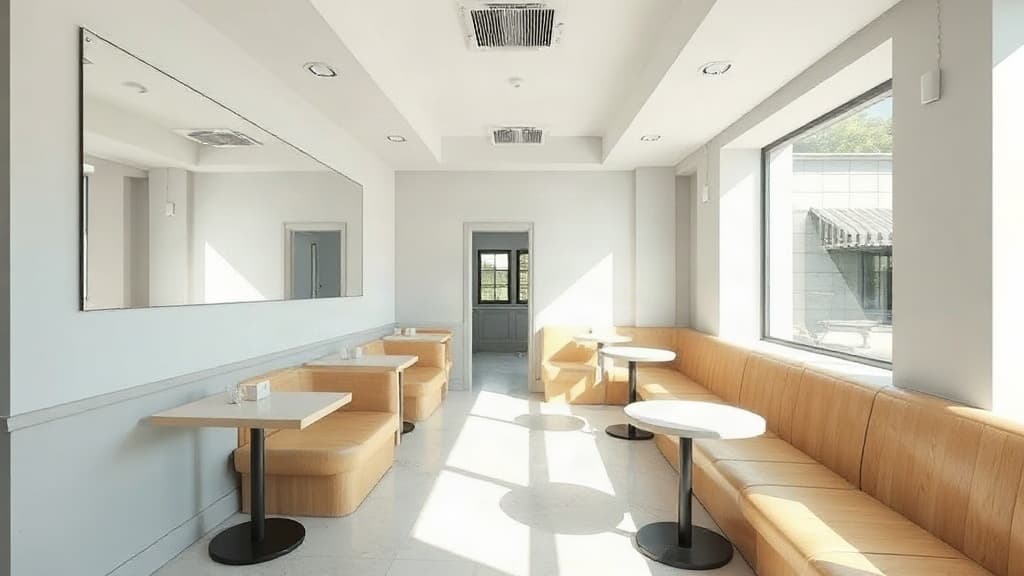
15 Small Cafe Interior Design Ideas to Maximize Your Space
Learn how to design a small cafe with layout, furniture, and lighting strategies that make the space feel larger and function smoothly.
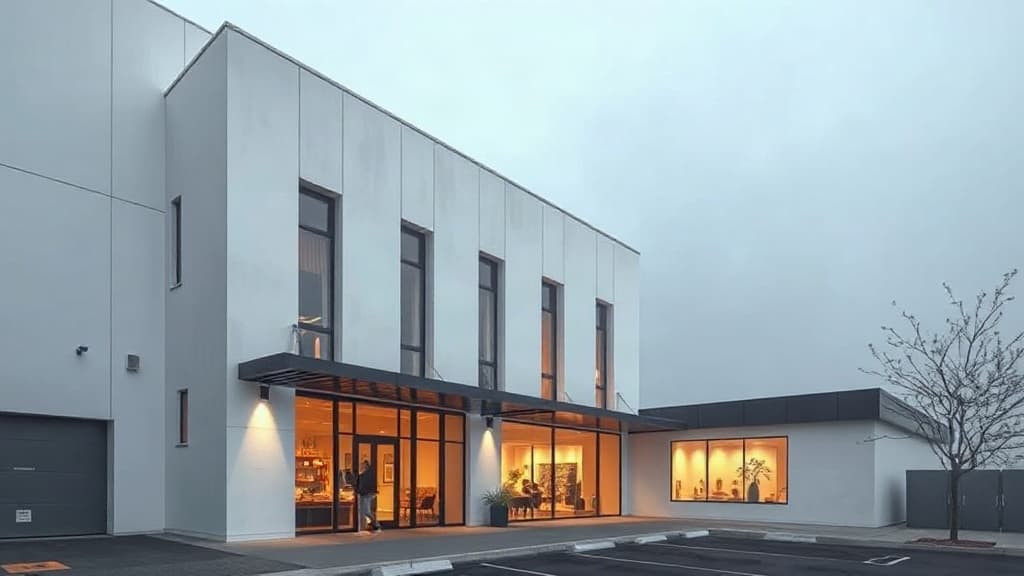
From Facade to Function: Where Commercial Architecture Sparks Innovation
Commercial architecture is a dynamic testing ground where ambition, brand identity, and public experience converge to shape the spaces where we work, shop, and gather.
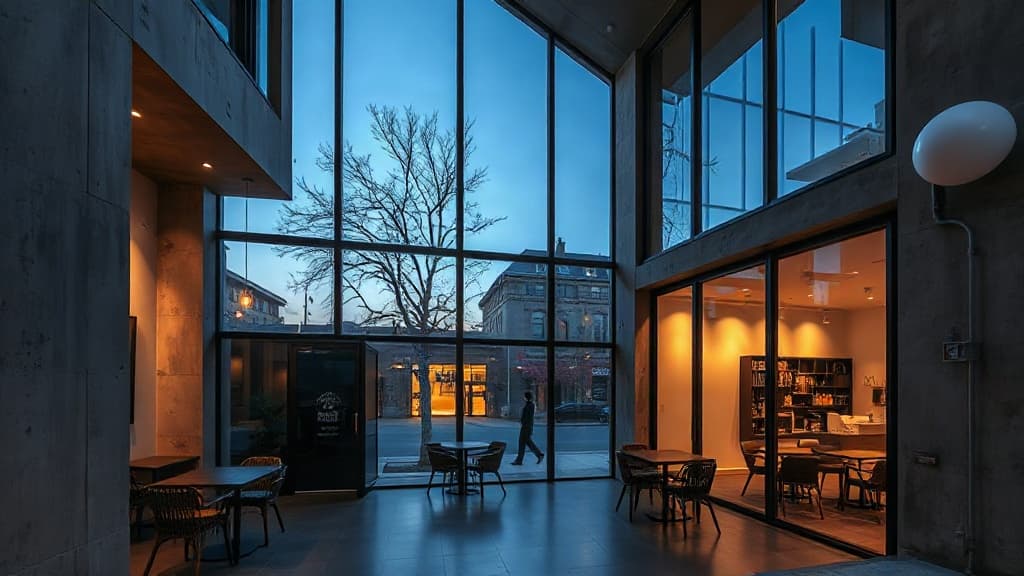
Shop Like an Architect: Everyday Lessons for Your Home
What makes a cafe, a shop, or an office compelling? We translate the core principles of successful commercial architecture into practical, actionable tips for your living space.