The Enduring Table: Design Principles of Classic and Traditional Kitchens
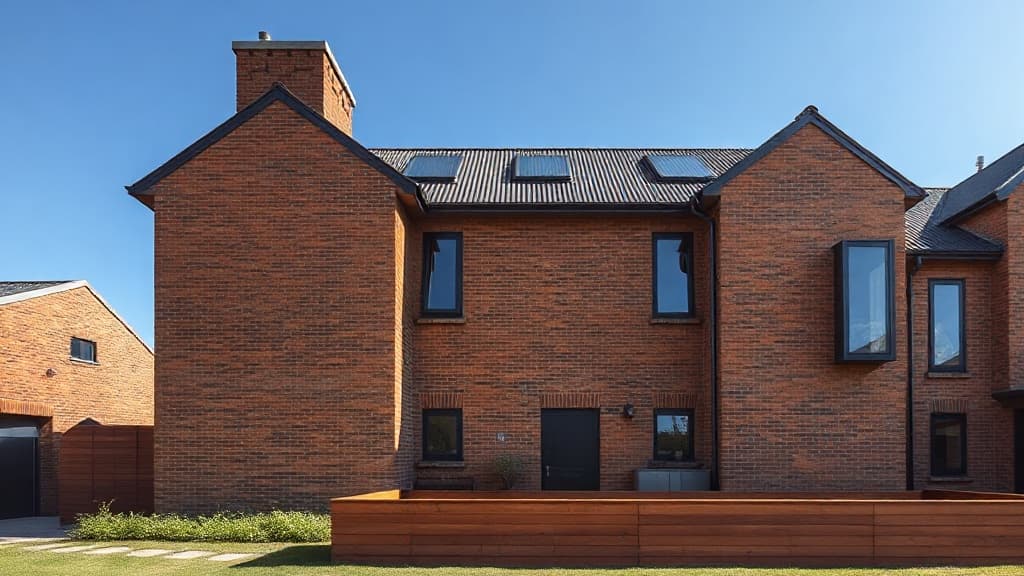
In the ever-shifting landscape of interior design, classic and traditional kitchens stand as serene counterpoints to fleeting trends. Far from being relics, these spaces are masterclasses in enduring design philosophy. They are not simply rooms for meal preparation but the cultivated heart of a home, where history, comfort, and daily ritual converge. Their appeal lies in a foundational logic that prioritizes human connection, sensory richness, and a palpable sense of permanence over novelty. To understand a classic kitchen is to understand the principles of balance, authenticity, and layered storytelling that make a space feel both timeless and intimately personal.
The first and most vital principle is Symmetrical Balance and Hierarchical Order. Unlike the often asymmetrical, open-plan modern kitchen, the traditional layout follows a clear, often symmetrical, architectural logic. A central focal point, such as an imposing range cooker within a paneled alcove or a substantial farmhouse table, anchors the space. Cabinetry is arranged in balanced pairs, creating a sense of stability and calm. This order extends to a hierarchy of materials: hard-wearing stone or wood for the floor, richly detailed cabinetry for the walls, and perhaps a decorative tile splashback or a plaster cornicing detail above. Each element knows its place, contributing to a cohesive and harmonious whole that feels intentionally composed rather than accidentally assembled.
Secondly, these kitchens are built on the principle of Crafted Materiality and Warm Patina. The choice of materials speaks of substance and age. Solid wood, in the form of raised-panel cabinetry often painted in heritage hues or stained to reveal the grain, is paramount. Countertops of marble, soapstone, or honed granite bear the gentle marks of use, telling a story over time. Metals are unlacquered brass or wrought iron, meant to develop a living finish. This embrace of natural materials and their inherent aging process rejects sterile perfection, instead fostering an environment that feels lived-in and warm. The light plays differently on these surfaces—softly diffused by painted wood, deeply absorbed by stone—creating a layered, tactile quality that is fundamentally inviting.
Finally, the soul of a traditional kitchen is found in its Narrative Layers and Collected Character. This is not a space that appears from a single catalog order. It is curated. It might feature open shelving displaying mismatched but cherished china, a collection of copper pots, or inherited kitchenware. Architectural details like beadboard wainscoting, a classic butler's pantry, or a deep apron-front sink add chapters to its story. The decor is often personal: a framed print, a worn rug, or a well-used cookbook left open. These layers accumulate slowly, giving the space depth and a soulful authenticity that cannot be rushed or faked. It is a design that accommodates life, its minor imperfections becoming part of its charm.
Ultimately, designing a classic kitchen is an exercise in building a legacy. It moves beyond pure function to craft a backdrop for memory—a space where family gathers, stories are shared, and the gentle patina of years is welcomed. It is a testament to the idea that some spaces are meant not to impress instantly, but to comfort perpetually. For a deeper exploration of culinary spaces that stand the test of time, we invite you to see more Kitchens stories.
Read Also
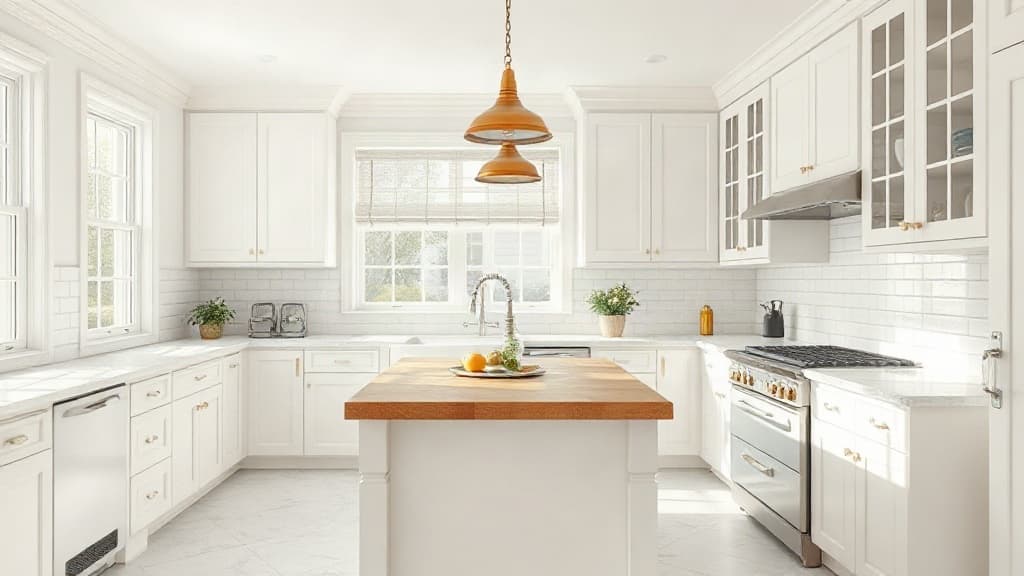
15 Classic Kitchen Design Ideas for a Timeless Look
Learn 15 practical ideas for a classic kitchen, from cabinetry profiles to lighting choices and countertop materials.
The Stories in the Grain: Finding Inspiration in Classic & Traditional Kitchens
Moving beyond the principles, we explore real-world classic kitchens that show how traditional design provides a warm, enduring, and deeply personal culinary stage.
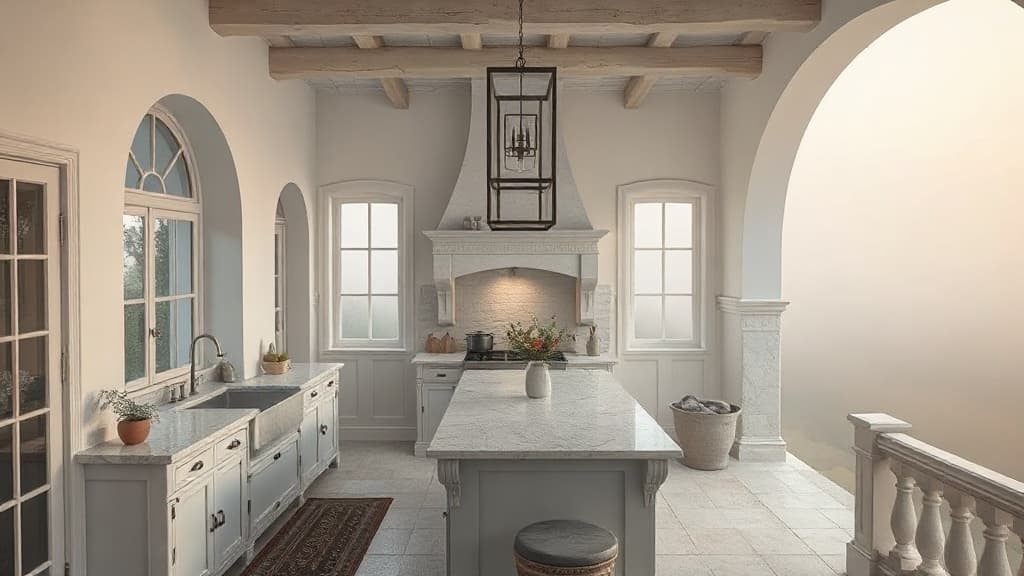
Classic & Traditional Kitchens: Practical Tips for a Timeless Hub
Discover how to integrate the enduring appeal of classic kitchen design with practical, modern functionality. Our guide offers actionable advice for homeowners seeking warmth and longevity.