Design
The Kitchen's New Grammar: A Design Language for Modern & Contemporary Living
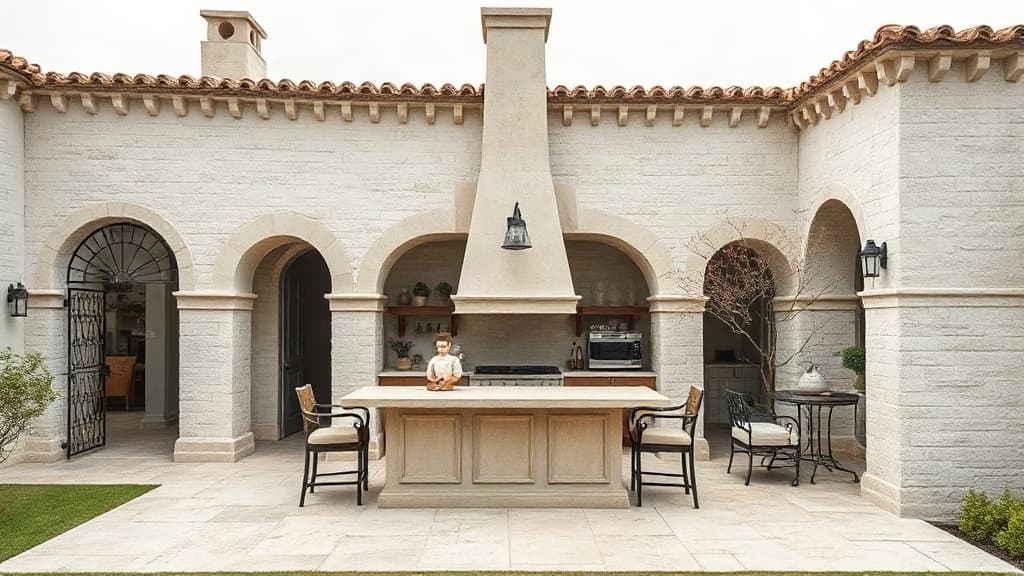
In the architectural narrative of the home, the kitchen has undergone the most profound plot twist. Once a hidden utility, it has emerged as the central stage for contemporary life. Modern and contemporary kitchens are no longer defined solely by their aesthetic—shiny surfaces or minimalist lines—but by a foundational philosophy. This philosophy treats the kitchen not as a room of appliances, but as a dynamic hub engineered for connection, efficiency, and sensory pleasure. It's a space where design principles intentionally shape daily ritual.
The first principle is the choreography of space. Modern design often champions the open plan, but contemporary thinking refines it into a concept of fluid zones. Instead of a single, undefined expanse, the kitchen is composed of dedicated, interlocking stations: a prep zone, a cooking core, a cleaning hub, and a social peninsula. This zoning creates an intuitive workflow, reducing movement and mental clutter. The visual language supports this, using changes in material, subtle shifts in cabinetry height, or integrated lighting to delineate areas without physical walls. The result is a kitchen that feels both expansive and intimately tailored to the body's motion.
Secondly, we witness the rise of the expressive material palette. The stark, clinical white box is giving way to a more nuanced and tactile material story. The principle here is contrast and authenticity. Imagine the warmth of natural oak against the cool, monolithic statement of a terrazzo island. Or the soft texture of a lime-washed wall behind sleek, handle-less cabinets. The conversation between materials creates depth and character. This extends to the celebration of honest materials—concrete that shows its formwork, marble with its natural veining, metals with a patina. These choices ground the space, making it feel considered and permanent rather than merely assembled.
Finally, the principle of integrated intelligence forms the invisible backbone. Technology and storage are not afterthoughts but are woven into the initial design concept. Appliances disappear behind seamless panels, charging points are concealed within drawers, and lighting is layered—from functional task lights to ambient LED strips that transform the mood. This principle prioritizes a calm, uncluttered visual field, allowing the material beauty and human activity to take center stage. The kitchen becomes a serene yet highly capable machine for living.
Ultimately, a successful modern kitchen is a dialogue between these principles: zonal choreography, expressive materiality, and seamless integration. It is a personal ecosystem, reflecting how we live now. For more inspiration on crafting this essential space, we invite you to [see more Kitchens stories](/kitchens/modern).
Read Also
Feature
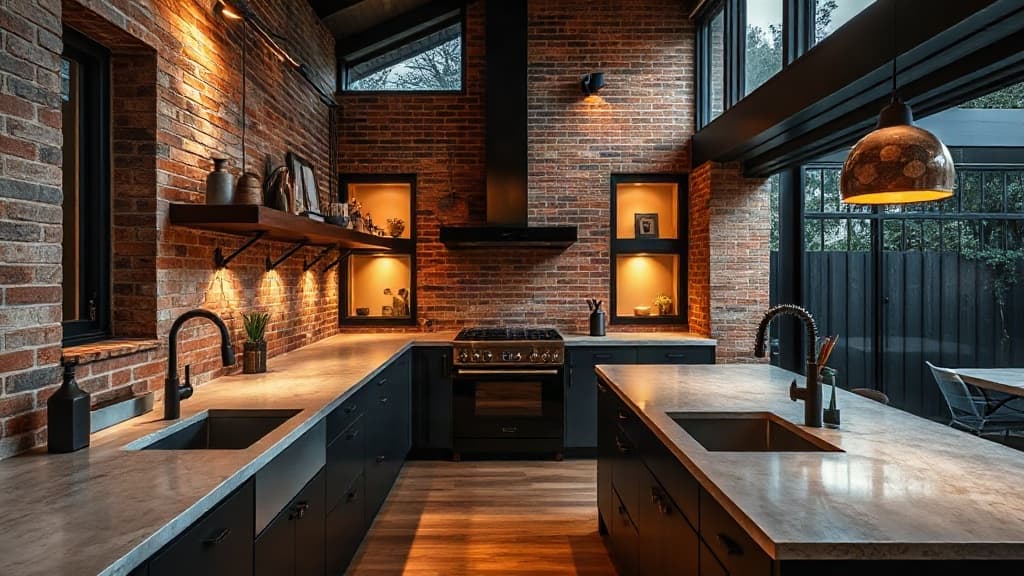
Where Culinary Alchemy Begins: The Modern Kitchen's Trinity
How the deliberate orchestration of materials, natural light, and meticulous detailing transforms the kitchen from a utility room into the home's creative and social nucleus.
Feature
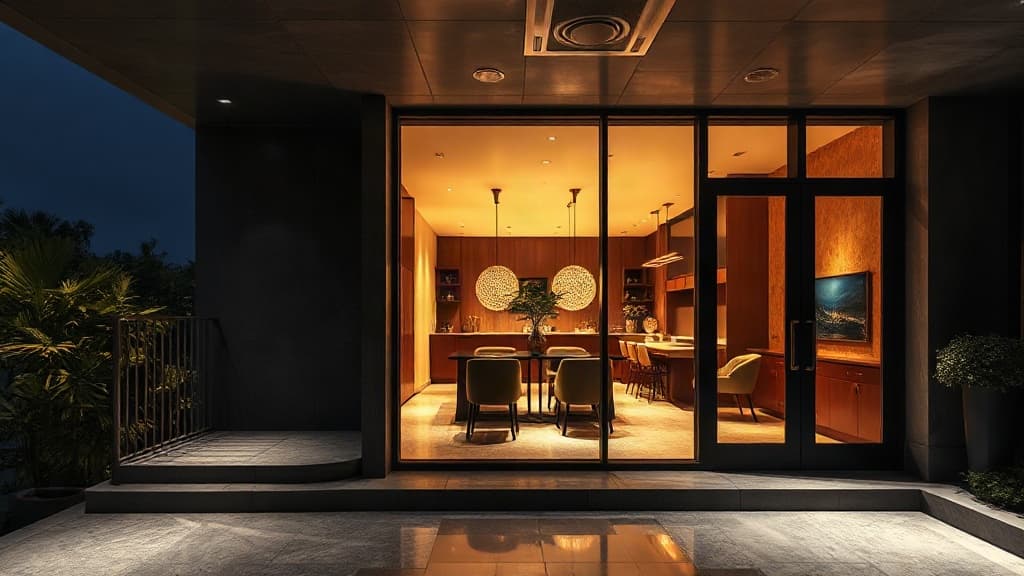
The Practical Magic of Light, Material & Space: Real Rooms as Muse
Beyond abstract principles, we find design's true spirit in lived-in spaces. Discover how lighting strategies, material choices, and intelligent layouts converge in inspiring real-world examples.
Guide
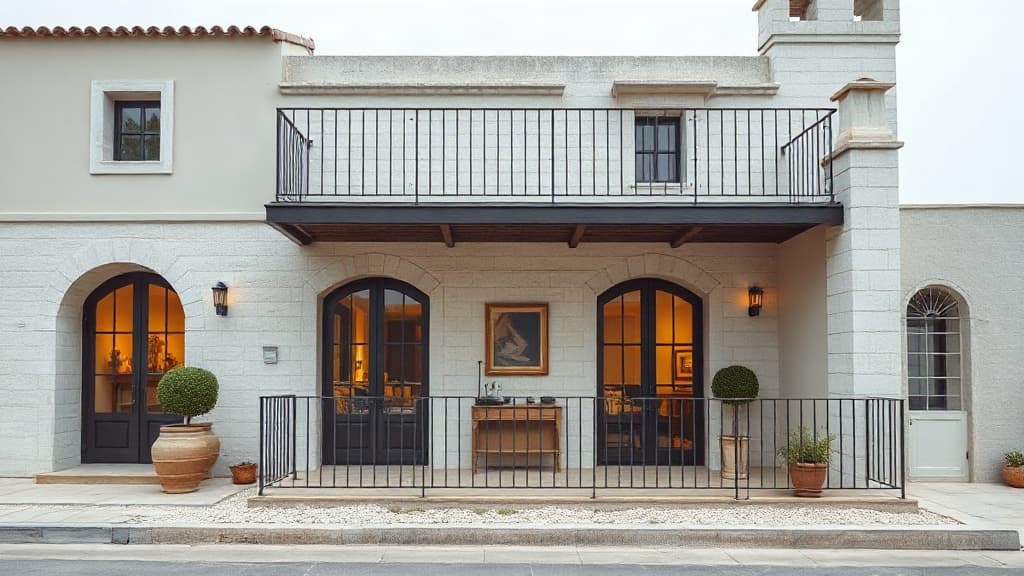
Three Core Pillars: Actionable Design Upgrades for Your Home
Forget fleeting trends. Discover how to master lighting, materials, and layout—the foundational trio that transforms any room into a functional and beautiful space.