Guide
The Language of the Landscape: Practical Design Wisdom from Public Projects

While grand public parks and civic plazas may seem distant from our private lives, they are, in fact, rich repositories of design intelligence. These successful landscapes are crafted to be resilient, welcoming, and functional for thousands, offering a unique blueprint for homeowners to refine their own outdoor spaces. By observing the principles at play in the public realm, we can unlock a more thoughtful, durable, and beautiful relationship with our personal plots of land.
Consider the fundamental principle of flow and circulation, a cornerstone of landscape architecture. In a well-designed park, pathways guide visitors intuitively, balancing clear sightlines with moments of discovery. At home, this translates to thoughtful path design. A winding gravel path from the driveway to your front door, lined with low plantings, is more inviting than a stark slab of concrete. It creates a sense of arrival and frames the approach to your home. Similarly, consider how public seating is strategically placed—offering respite in the shade, a view of a fountain, or a spot for conversation. Applying this to your patio or garden means positioning benches and chairs not just where there is space, but where the experience is best: a quiet corner under a tree, a sunny spot for morning coffee, or facing a prized flower bed to encourage lingering enjoyment.
Another vital lesson is in materiality and durability. Public spaces must endure heavy use and the elements with minimal maintenance, leading to smart, long-lasting choices. Notice the robust, textured pavers that provide grip in the rain, or the use of permeable gravel that manages runoff. For a homeowner, selecting locally sourced, weather-resistant stone for a patio or choosing permeable paving for a driveway are decisions rooted in the same logic of longevity and environmental sensitivity. Furthermore, observe the planting schemes: public gardens often layer hardy native perennials with structural evergreens for year-round interest and ecological benefit. Mimicking this layered approach at home—using native shrubs as a backbone, interspersed with seasonal color—creates a dynamic, lower-maintenance garden that supports local wildlife.
Ultimately, the genius of a great public landscape lies in its ability to create a sense of place and belonging. It carves out rooms under the sky, defines edges, and orchestrates light and shadow. Your home's exterior can achieve the same. By borrowing the scale, flow, and material wisdom from the projects we all share, you transform your property into a personal sanctuary that is both privately cherished and publicly inspired. For further inspiration from the built environment, [see more Architecture stories](/architecture/public-landscape).
Read Also
Feature
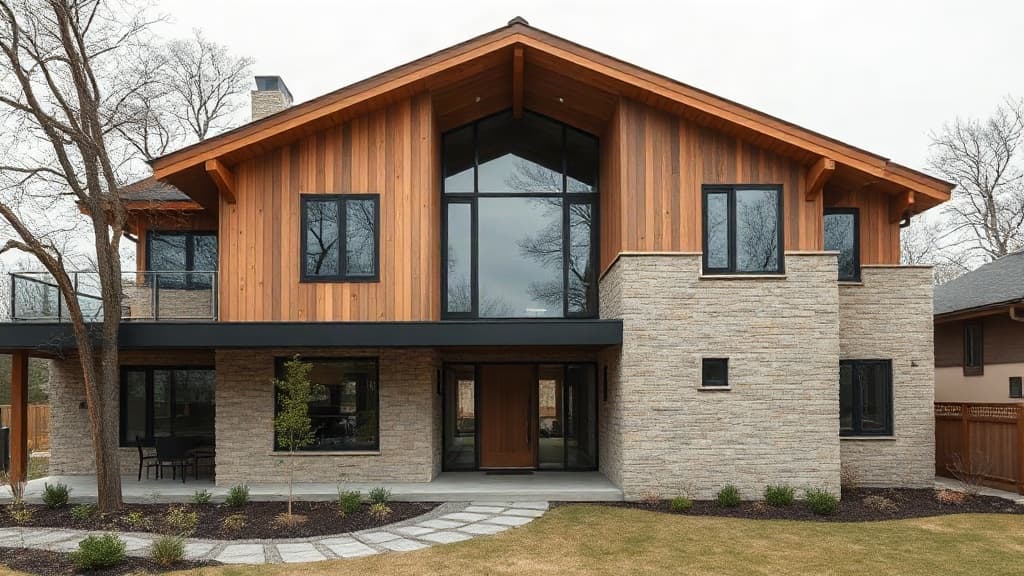
Beyond the Blueprint: How Materials, Light & Detail Shape the Soul of a Home
True residential architecture transcends layout. We explore how the thoughtful orchestration of tactile materials, curated light, and intentional detail creates spaces that feel truly lived-in.

Feature
The Human Scale: Foundational Principles for Residential Architecture
Residential architecture is the art of designing not just houses, but homes. We explore the core principles that transform built spaces into personalized sanctuaries that support and inspire daily life.
Feature
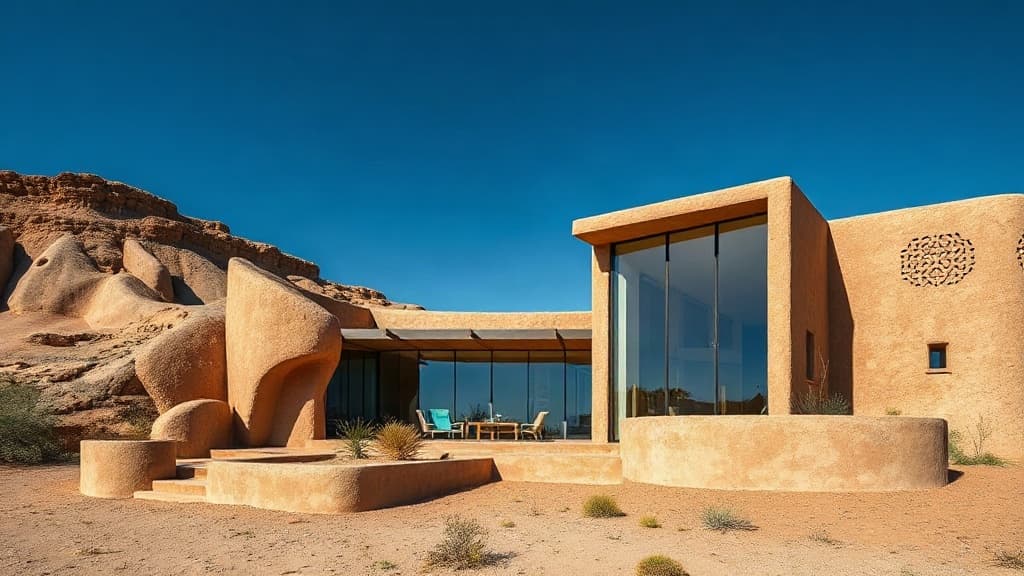
The Spark Before the Blueprint: How Expert Narratives Shape Design
Moving beyond curated visuals, we explore how candid conversations with leading architects and designers reveal the raw, human inspiration behind iconic spaces and practical, adaptable solutions.