The Next Stone: When Engineered Materials Become Poetic
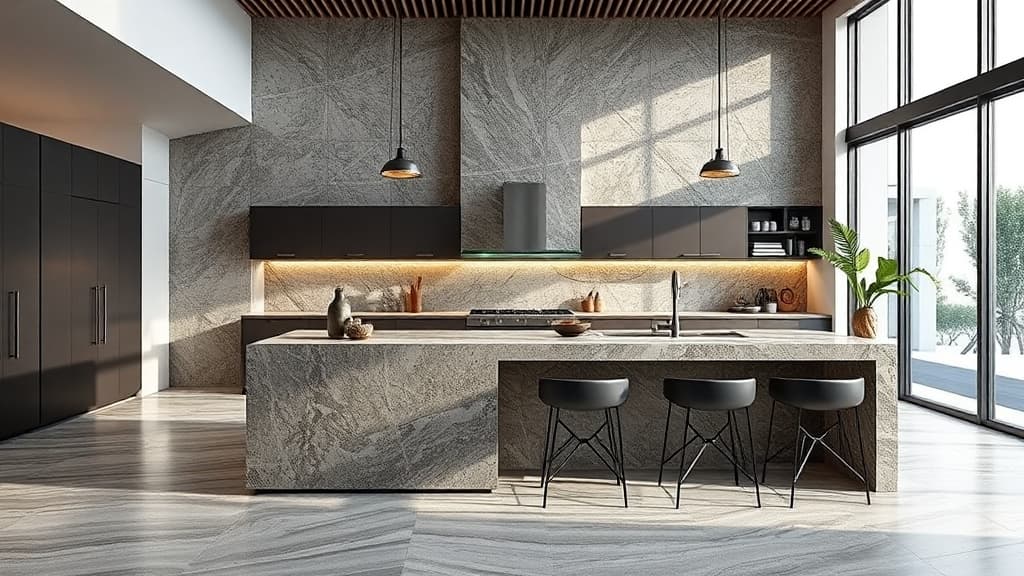
For centuries, architecture's dialogue with stone has been one of reverence and constraint. Reverence for its timeless beauty, its geological narrative, its unyielding presence. Constraint by its weight, its finite availability, and the environmental and human cost of its extraction. This tension has defined our built environment, forcing a compromise between the aspirational and the practicable. Today, a quiet revolution is dissolving that age-old dichotomy, not by imitating nature, but by re-engineering its very essence into a new, poetic materiality.
We stand at the precipice of a new era in surface design, where the term 'engineered stone' ceases to evoke the cold, uniform slabs of yesteryear. The latest generation of mineral surfaces represents a fundamental shift from replication to reinvention. Advanced manufacturing techniques now allow for the orchestration of veining, colour gradation, and patterning with an artistry that rivals the most dramatic marble, yet with a consistency nature could never guarantee. This is not fakery; it is a new form of material authorship. The designer, in collaboration with the manufacturer, gains a previously unimaginable agency over the textural narrative of a space.
At the heart of this evolution lies a powerful trifecta of drivers: aesthetics, performance, and, pivotally, ethics. The aesthetic ambition is clear—to capture the soulful depth and random beauty of natural stone while liberating it from its limitations. But the true breakthrough is technical and moral. The development of silica-free mineral compositions addresses one of the most pressing health concerns in fabrication workshops, transforming a material's story from one of hazard to one of care. Concurrently, the use of recycled content and more sustainable binding systems begins to untangle the environmental knot associated with quarrying, offering a path toward a lighter planetary footprint.
This matters profoundly for architects and interior designers. It expands the palette beyond the merely visual. Specifying a next-generation mineral surface is now a multi-layered decision. It is a choice for worker safety, for environmental responsibility, and for logistical feasibility—all without sacrificing an iota of design intent. The reduced weight of some composites revolutionises cladding applications, opening vertiginous facades to the warmth of stone-like expression. Its non-porous nature banishes anxiety from kitchen islands and hospital walls alike, merging hyper-hygiene with high art.
Furthermore, this material evolution challenges our cultural attachment to 'the natural.' Is a material born from human ingenuity and sustainable principles less authentic than one hewn from a mountain? Or does its creation represent a higher form of harmony with our world—one that seeks to preserve the landscape while fulfilling our need for beauty? The new stone does not seek to fool the eye, but to engage the mind. It invites us to reconsider value, to find wonder in the alchemy of science, and to see the hand of the designer as a legitimate co-author in the story of matter.
In practice, this translates to spaces that are both breathtakingly bold and quietly conscientious. Imagine a soaring atrium wall, a single, seamless canvas of dramatic, flowing veins—a feat impossible with natural stone due to size and structural constraints. Envision a minimalist bathroom where the serene, monolithic surface is also inherently resistant to stain and mildew. This is the new reality: performance and poetry are no longer trade-offs. The material becomes an active participant in the architecture, enabling forms, ensuring durability, and embodying values.
The arrival of this sophisticated material class signals a broader trend in design: the move towards intelligent materiality. Surfaces are no longer passive finishes; they are functional systems. They contribute to well-being, reflect ethical stance, and enable architectural ambition. For the industry, it is a call to look beyond the sample chip. It urges us to ask not just 'what does it look like?' but 'what is it made of?', 'how is it made?', and 'what does it make possible?' The answer, found in the latest generation of mineral surfaces, is reshaping our walls, our countertops, and our very philosophy of making space.
Read Also
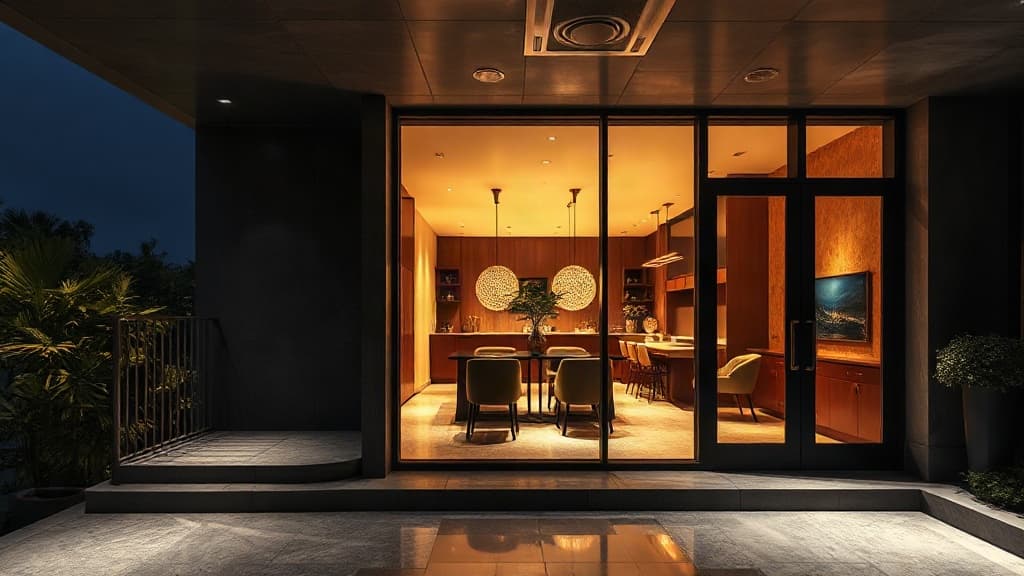
The Practical Magic of Light, Material & Space: Real Rooms as Muse
Beyond abstract principles, we find design's true spirit in lived-in spaces. Discover how lighting strategies, material choices, and intelligent layouts converge in inspiring real-world examples.
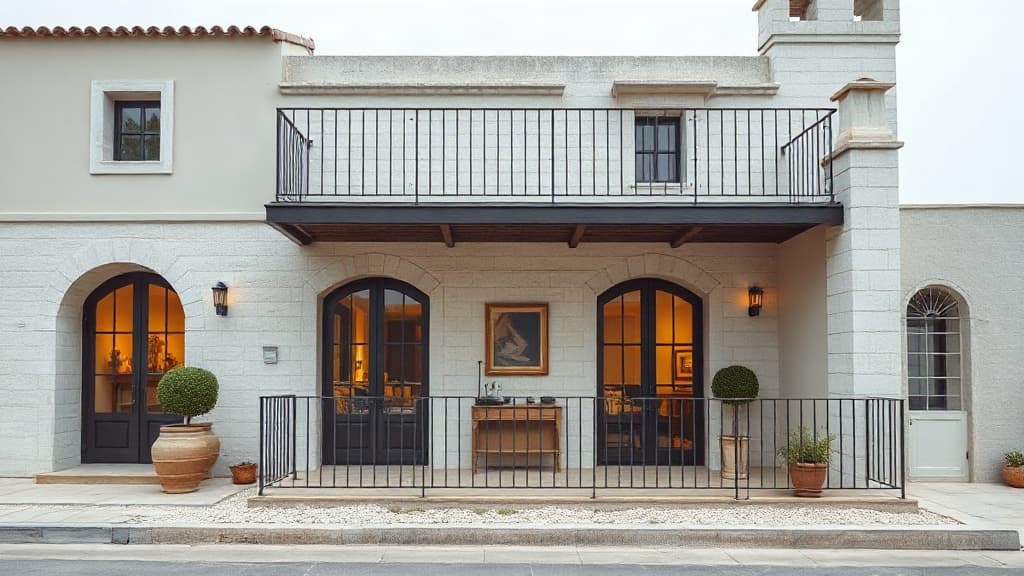
Three Core Pillars: Actionable Design Upgrades for Your Home
Forget fleeting trends. Discover how to master lighting, materials, and layout—the foundational trio that transforms any room into a functional and beautiful space.
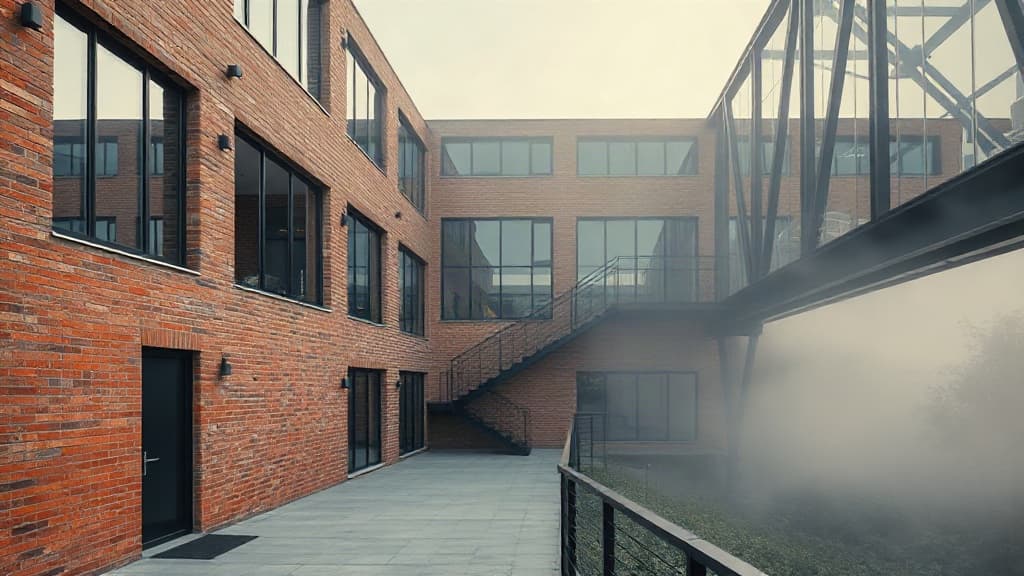
Foundational Triad: The Invisible Rules of Interior Design
Great spaces are built on a silent conversation between three core elements. We explore the timeless principles governing lighting, materials, and layouts.