Feature
The Public Tapestry: Weaving Place with Material, Light, and Craft
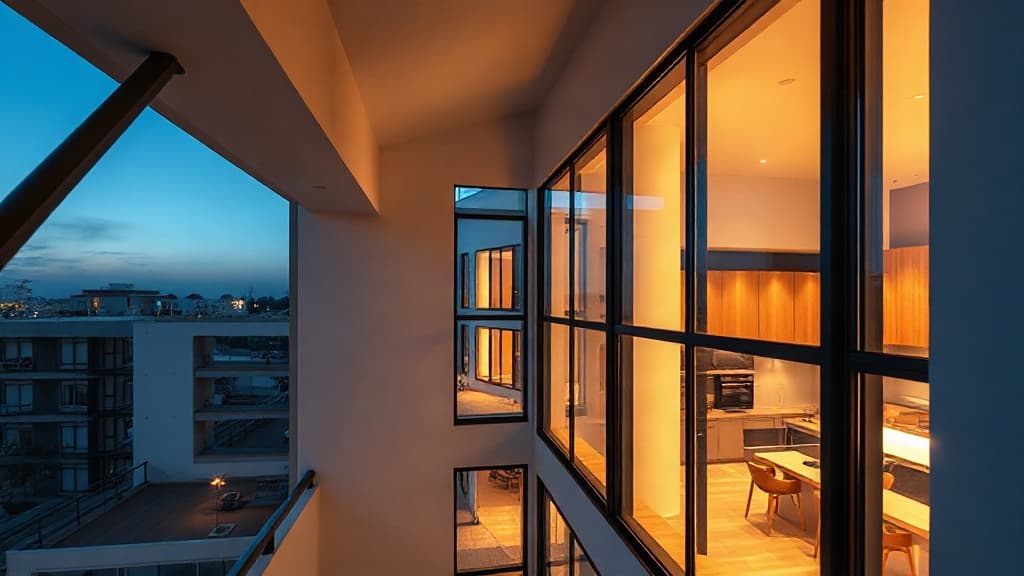
In the realm of public and landscape architecture, the project brief often begins with a vast, communal canvas. The challenge is not merely to fill space, but to weave a place—a tapestry of experience that belongs to everyone. While grand gestures of form are celebrated, it is the nuanced orchestration of materials, the choreography of light, and the reverence for detail that truly imbue these spaces with meaning and enduring civic soul. This is where architecture transcends object-making to become environment-shaping.
Materiality in the public sphere carries a profound responsibility. Surfaces must converse with both the climate and the thousands of hands that will touch them. A granite bench, cold and imposing in a gallery, becomes a sun-warmed seat for conversation in a plaza, its patina deepening with decades of use. The choice between porous local stone that breathes with the land and sleek, engineered concrete is not merely aesthetic; it dictates acoustics, thermal comfort, and the very aging process of the space. These materials tell a story of locality and time, grounding abstract design in tangible, sensory reality.
Light, the immaterial counterpart, paints this reality anew each day. In landscape projects, light is the primary medium—the dappled shade of a carefully positioned grove creating intimate respite, or the precise angle of a sundial wall marking celestial time. Architectural interventions harness light to guide and safeguard: a delicate canopy that filters harsh noon sun into a gentle luminescence, or carefully calibrated pathway lighting that ensures safety without polluting the night sky. The interplay between solid material and ephemeral light creates a dynamic, living environment that changes with the hour and the season.
The magic culminates in the detail. This is the grammar of the built sentence. It is the precise joint where a steel handrail meets a stone wall, expressing both connection and difference. It is the drainage pattern etched into a plaza floor, transforming utility into a subtle graphic. It is the tailored recess in a concrete plinth that cradles a solitary tree, a gesture of care visible only to the observant. These details signal a commitment to craft and longevity, whispering that this place was made with consideration for those who will inhabit it over generations. They are the quiet, tactile points of connection between the citizen and the civic vision.
Ultimately, successful public spaces are those where we feel considered, where the environment speaks to us through its textures, its shifts in light, and its thoughtful fittings. They demonstrate that in the shared landscape, the soul of the place is woven not from concrete alone, but from the conscientious dialogue between material, light, and detail. To explore how these principles manifest in further projects, [see more Architecture stories](/architecture/public-landscape).
Read Also
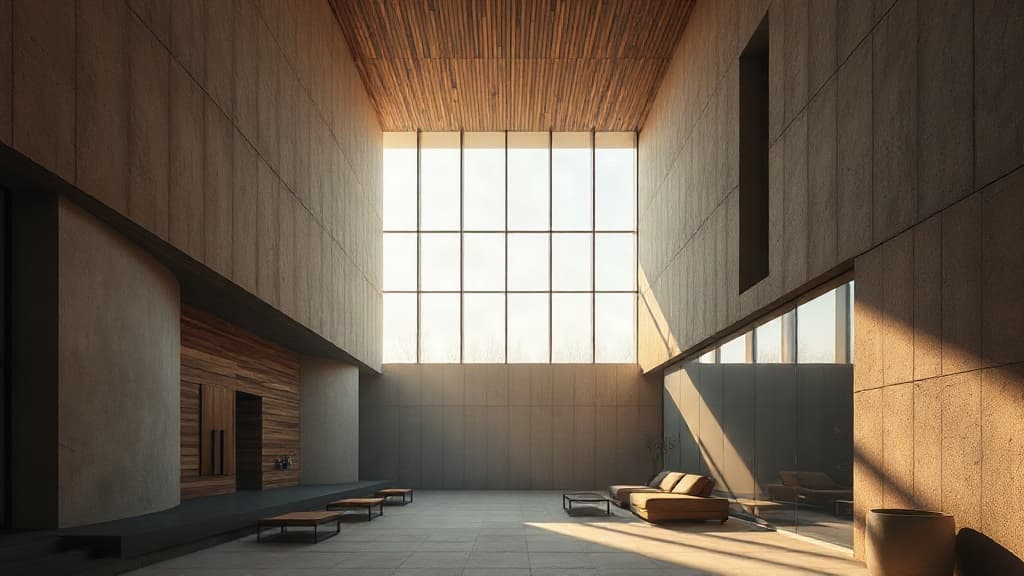
Design
The Common Ground: Foundational Principles of Public and Landscape Architecture
Exploring the core design philosophies that shape our shared civic spaces, from bustling plazas to serene parks.
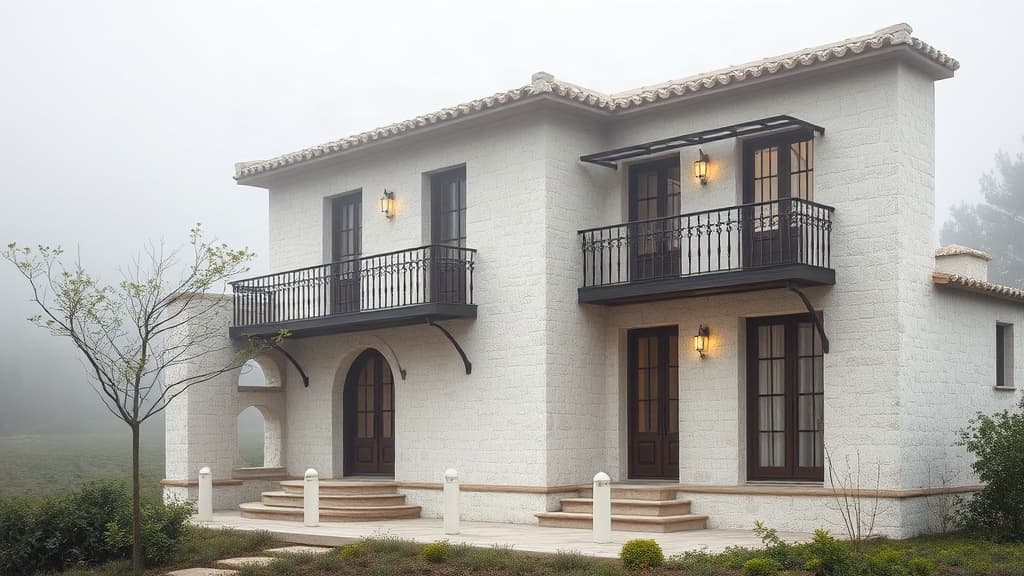
Feature
When Architecture Grows: Living Buildings Shaping Our Future
Beyond theory, sustainable architecture is a living, breathing reality. We explore visionary projects where built environments actively heal, regenerate, and inspire.
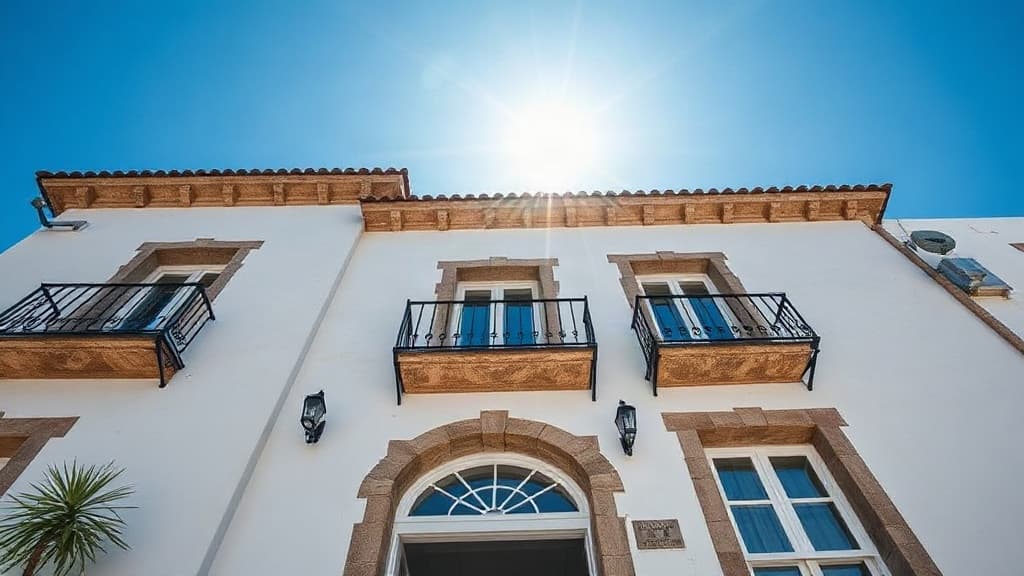
Guide
Your Home's Green Print: Simple Steps for Sustainable Living
Sustainable architecture isn't just for new builds; it's a practical approach any homeowner can adopt. Discover actionable strategies to enhance your home's efficiency and comfort.