Design
The Third Skin: On Crafting Bedrooms & Lounges of Atmosphere

We often speak of architecture as a second skin, a protective layer between ourselves and the world. Yet the most intimate of our interiors—the bedroom and the lounge—aspire to be something more: a third skin. This is not a barrier, but a filter; a meticulously composed environment that breathes with us, reflects our inner state, and provides a profound sense of belonging. The creation of such spaces relies not on grand gestures, but on the subtle, conscious orchestration of three fundamental elements: the tactile poetry of materials, the choreography of light, and the eloquence of detail.
Here, materiality is the foundation of mood. In the bedroom, where rest and retreat are paramount, we seek haptic comfort and visual serenity. The coarse weave of a pure linen duvet cover, the matte whisper of lime-washed plaster on a wall, or the cool, solid reassurance of a honed marble side table—each texture speaks directly to the senses, grounding us in the present moment. Conversely, the lounge, a space for both conviviality and contemplation, invites a more dynamic material conversation. Consider the dialogue between the deep, inviting pile of a wool rug and the sleek, reflective surface of a stained oak sideboard. This contrast is not discordant but enriching, creating a layered sensory experience that welcomes both energetic gatherings and quiet evenings alone.
Light, then, is the conductor of this material symphony. It is the element that animates form and reveals texture. The goal is rarely uniform illumination, but rather a layered composition that serves function and fosters feeling. In the bedroom, indirect washes of light from concealed coves or adjustable wall sconces eliminate harsh shadows, promoting relaxation. The strategic placement of a low-hanging pendant over a lounge's reading nook creates a pool of intimacy, while carefully positioned apertures allow the sun to trace a daily path across a textured wall, marking the passage of time with quiet drama. This interplay of ambient, task, and accent lighting allows a single room to shift its character from dawn to midnight.
Finally, it is in the details—the considered imperfections, the intentional juxtapositions—where a space transcends the catalogue and becomes truly personal. It is the artisan-forged black iron hook on the back of a bedroom door, the hand-thrown ceramic vessel holding a single branch on a lounge shelf, or the precise reveal where a plaster wall meets an oak floor. These are the moments of crafted intimacy, the silent punctuation marks in the spatial sentence. They require no explanation; they are felt. They signal a human hand, a caring eye, and transform a room from a designed interior into a living narrative.
Crafting these sanctuaries is an exercise in emotional curation, where every choice, from the macro material to the micro detail, contributes to an atmosphere of profound well-being. For further inspiration on shaping the most personal rooms in your home, [see more Interiors stories](/interiors/bedrooms-lounges).
Read Also

Feature
From Facade to Function: Where Commercial Architecture Sparks Innovation
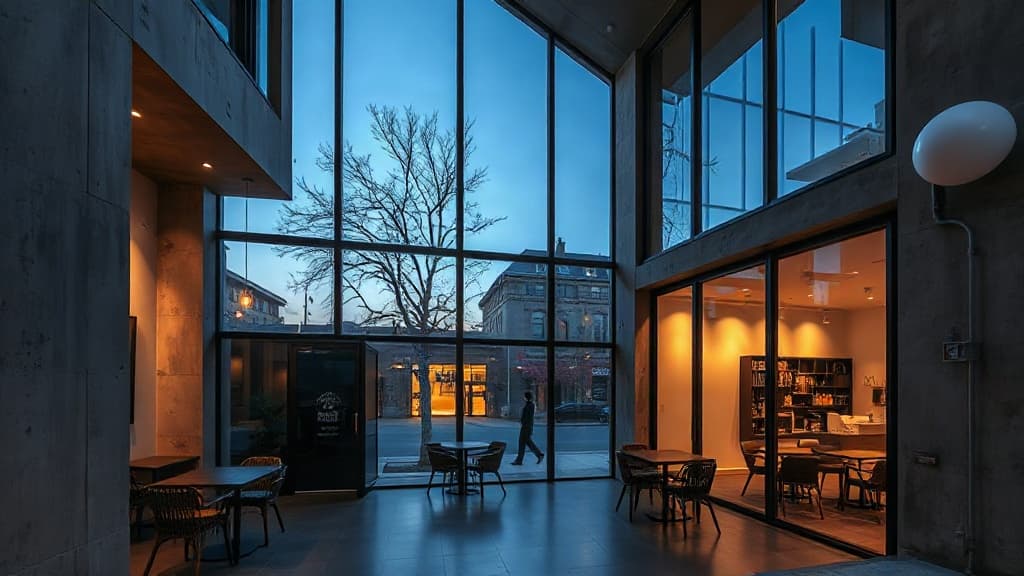
Commercial architecture is a dynamic testing ground where ambition, brand identity, and public experience converge to shape the spaces where we work, shop, and gather.
Guide
Shop Like an Architect: Everyday Lessons for Your Home
What makes a cafe, a shop, or an office compelling? We translate the core principles of successful commercial architecture into practical, actionable tips for your living space.

Feature
The Silent Commerce: How Materials, Light & Detail Engineer Human Behavior
Beyond aesthetics, commercial architecture deploys materiality, illumination, and meticulous detail as psychological tools that guide movement, decision-making, and perception.