Feature
Between Dreamscapes and Dayrooms: Tracing the Line Where Rest Meets Ritual
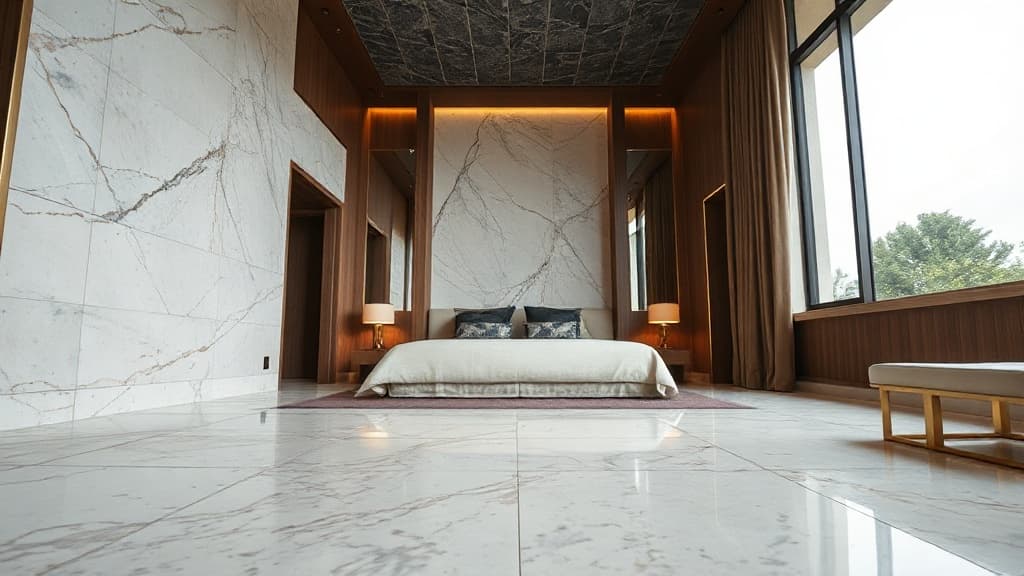
In the lexicon of the home, few spaces carry as much intimate weight as bedrooms and lounges. They are the private theatres where our most personal acts—from the solitary ritual of sleep to the convivial art of conversation—unfold. Yet, moving beyond foundational principles, we find these rooms transform not just through design, but through lived experience. They become archives of memory and mood, shaped by the objects we cherish and the light we chase. This exploration delves into the real-world alchemy where inspiration is forged, tracing the line between intention and the beautifully imperfect reality of daily life.
Consider the bedroom not as a static stage for sleep, but as a dynamic terrain of transition. Inspiration here often stems from a simple, human-centric question: What ritual precedes rest? For a ceramicist in Lisbon, the answer manifests in a textural haven. Walls washed in soft terracotta hues hold the day's warmth, while a deep-set alcove cradles not just a bed, but a curated collection of handmade vessels. This isn't mere decoration; it's a tactile narrative that guides the inhabitant from wakefulness to repose. The functional need for storage is answered by woven baskets, their organic forms softening the room's geometry. This real-world example teaches us that a bedroom’s soul lies not in rigid theme, but in the authentic clustering of objects that speak to one's personal rhythm.
In the lounge, the dynamic shifts from solitary ritual to shared scene. Here, inspiration is drawn from the dance between connection and comfort. A converted warehouse loft in Copenhagen demonstrates this masterfully. The space avoids the predictable symmetrical sofa arrangement. Instead, a long, low-slung banquette hugs one wall, encouraging sprawling relaxation, while a pair of vintage armchairs creates an intimate conversational node. The key is a layered, non-prescriptive layout that allows the room's function to morph—from a lively evening gathering to a tranquil afternoon of solitary reading. The materials tell their own story: a worn-in leather sofa, a sheepskin throw, a timber table bearing the rings of past glasses. These are not showroom-perfect pieces but companions to life, gaining character with use.
Ultimately, the most compelling bedrooms and lounges are those that embrace their inherent duality. They are dreamscapes by night and dayrooms by day, sanctuaries for the self and stages for the tribe. Their design success is measured less by visual perfection and more by their capacity to hold our changing selves—to be both a quiet refuge and a vibrant hub. The lesson from these real-world spaces is one of permission: to let utility and sentiment intertwine, and to allow the room to grow and change as we do. For a deeper dive into spaces that shape our private moments, [see more Interiors stories](/interiors/bedrooms-lounges).
Read Also
Feature
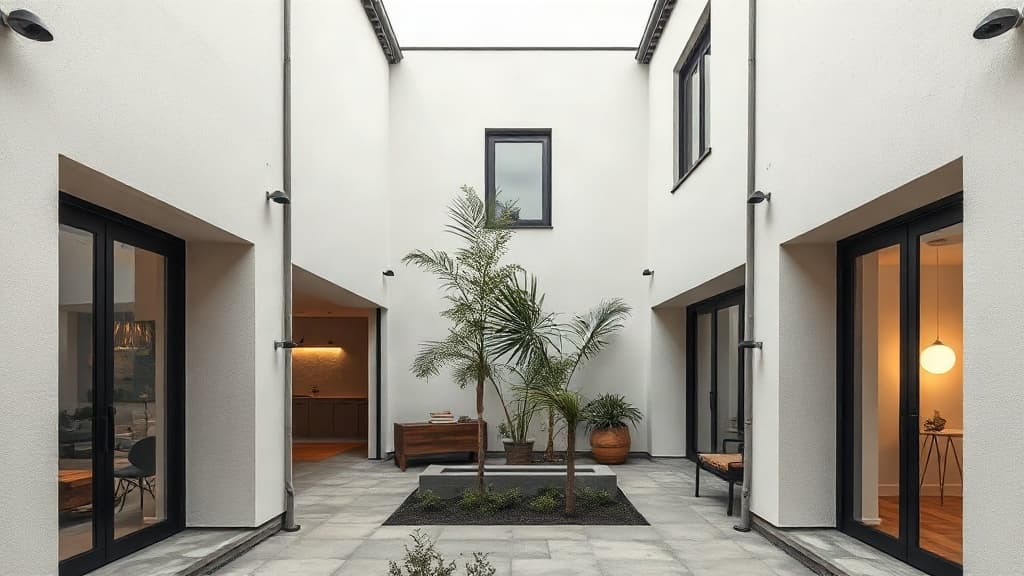
The Quiet Revolution: How Materials, Light & Detail Define Modern Eco-Architecture
Moving beyond theory, sustainable architecture is now a tangible dialogue between resource-conscious materials, intelligent light, and meaningful detail, shaping spaces that are as ethical as they are beautiful.
Design
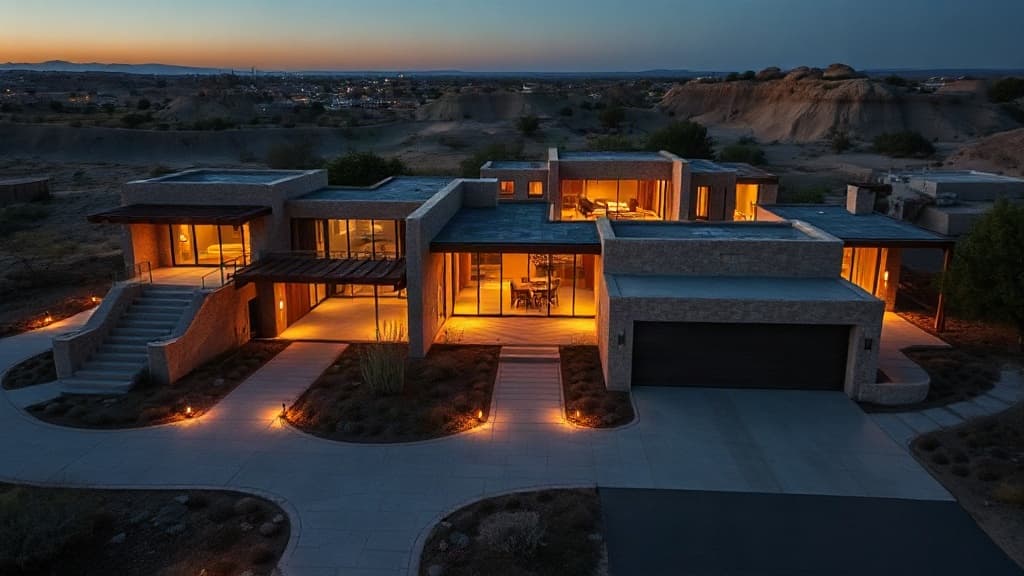
Foundations of the Future: The Guiding Principles of Sustainable Architecture
An exploration of the core design philosophies that transform buildings from mere shelters into regenerative forces for people and planet.

Feature
From Facade to Function: Where Commercial Architecture Sparks Innovation
Commercial architecture is a dynamic testing ground where ambition, brand identity, and public experience converge to shape the spaces where we work, shop, and gather.