Beyond Efficiency: The Foundational Principles of Sustainable Architecture
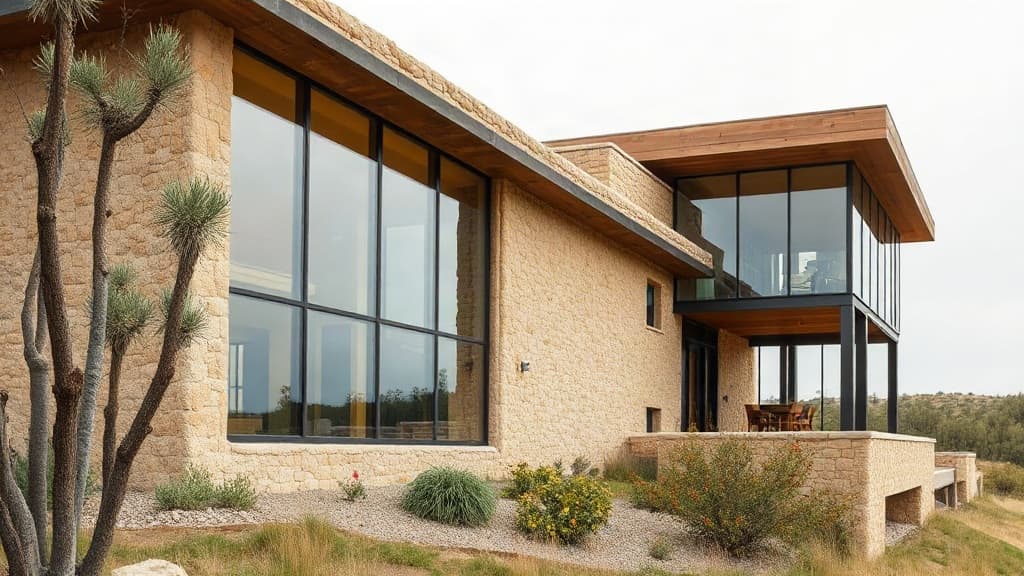
In the collective pursuit of a greener future, the conversation around sustainable architecture often fixates on cutting-edge technologies—solar panels, smart grids, high-performance insulation. While these are crucial tools, they are just that: tools. The true soul of sustainable design lies not in the gadgets we bolt onto a structure, but in the foundational principles that shape its very conception. It is a philosophy, a mindset that asks how a building can exist in symbiotic harmony with its environment from the ground up.
The first and most profound principle is that of Holistic Integration. A sustainable building is not an isolated object, but a responsive participant in its local ecosystem. This begins with intelligent siting and orientation, leveraging the sun's path for natural heating and daylighting, and harnessing prevailing winds for passive cooling. It considers the local climate, topography, and existing vegetation not as obstacles to be cleared, but as co-designers. The building's form, its massing, and its very skin become active mediators between the interior habitat and the external world, drastically reducing reliance on mechanical systems before a single watt of renewable energy is even generated.
This leads to the principle of Resource Consciousness, which moves far beyond recycling. It's a cradle-to-cradle consideration of materials: where do they come from, what is their embodied energy, and what is their lifespan? It champions locally sourced, natural, and renewable materials that age with grace. It advocates for structural honesty and material efficiency, designing to use less without sacrificing strength or beauty. Furthermore, it embraces Adaptive Longevity—designing spaces that are flexible, durable, and timeless. A truly sustainable building is one that can evolve with changing needs, avoiding the carbon-heavy fate of demolition and reconstruction. It is built not for a decade, but for a century.
Ultimately, these principles converge to create architecture that is not just sustainable, but sustaining. It fosters human well-being through abundant natural light, clean air, and a tangible connection to the environment. By rooting our designs in these timeless tenets, we move beyond mere technical compliance to create legacies of resilience, beauty, and responsibility. For a deeper exploration of how these ideas take shape in contemporary projects, we invite you to see more Magazine stories.
Read Also
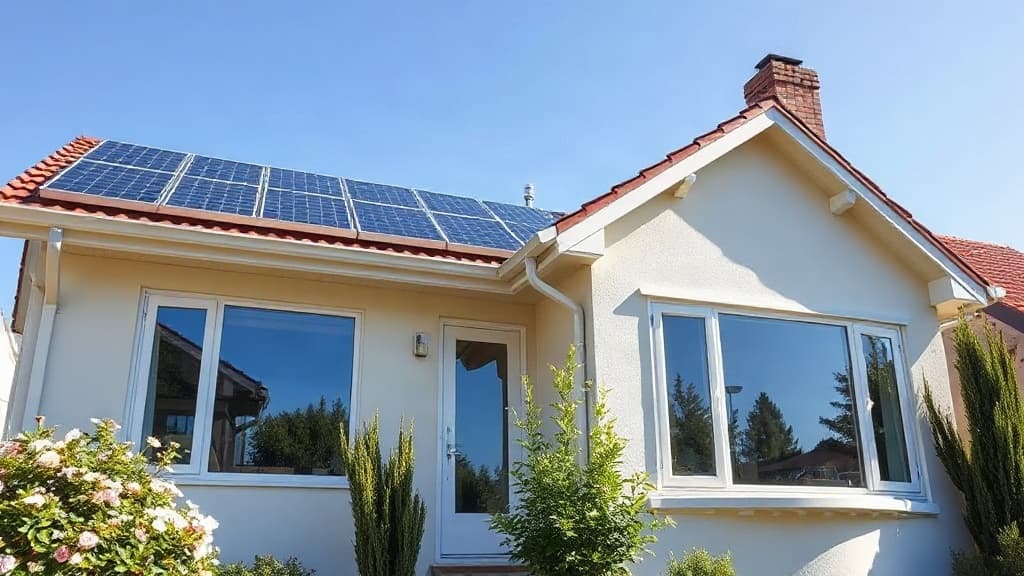
How to Make Your Home More Energy Efficient: 10 Practical Upgrades
Learn 10 specific, effective ways to reduce your energy bills, from sealing air leaks to choosing the right appliances.
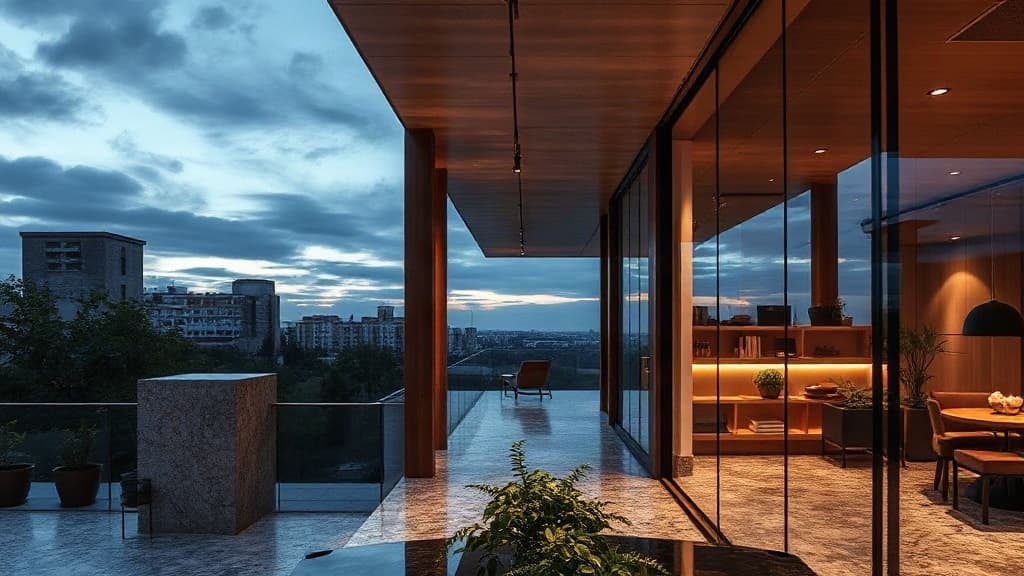
When Inspiration Meets Earth: Building Solutions with Global Roots
From repurposed fishing nets to ancient wind towers, discover how global vernacular wisdom is fueling today's most innovative and beautiful sustainable architecture.
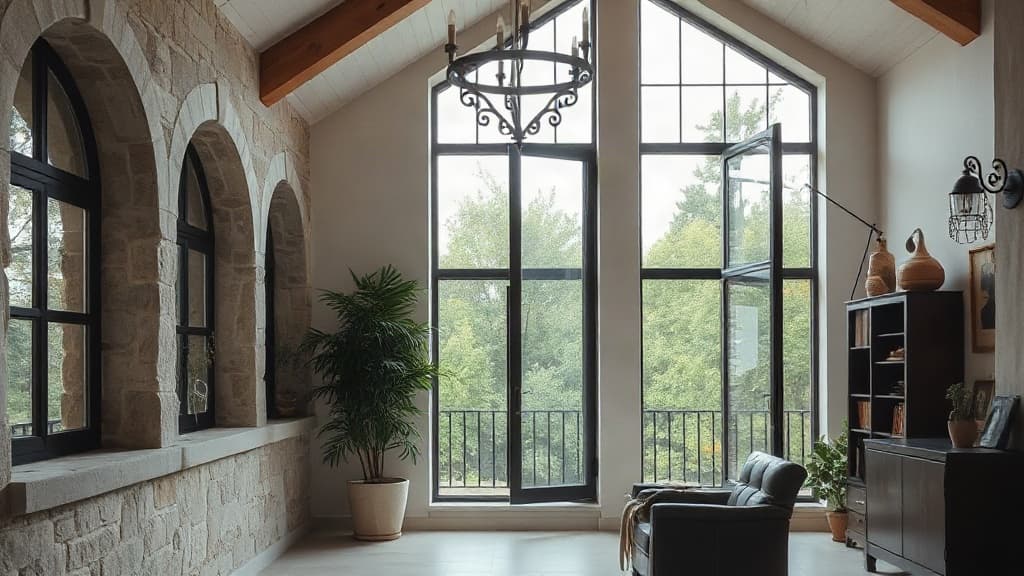
Your Sustainable Home Starts Here: Everyday Upgrades That Make a Difference
Sustainability isn't just a buzzword for new builds. Discover practical, actionable upgrades any homeowner can implement to enhance comfort, save money, and build a greener future.