When Inspiration Meets Earth: Building Solutions with Global Roots
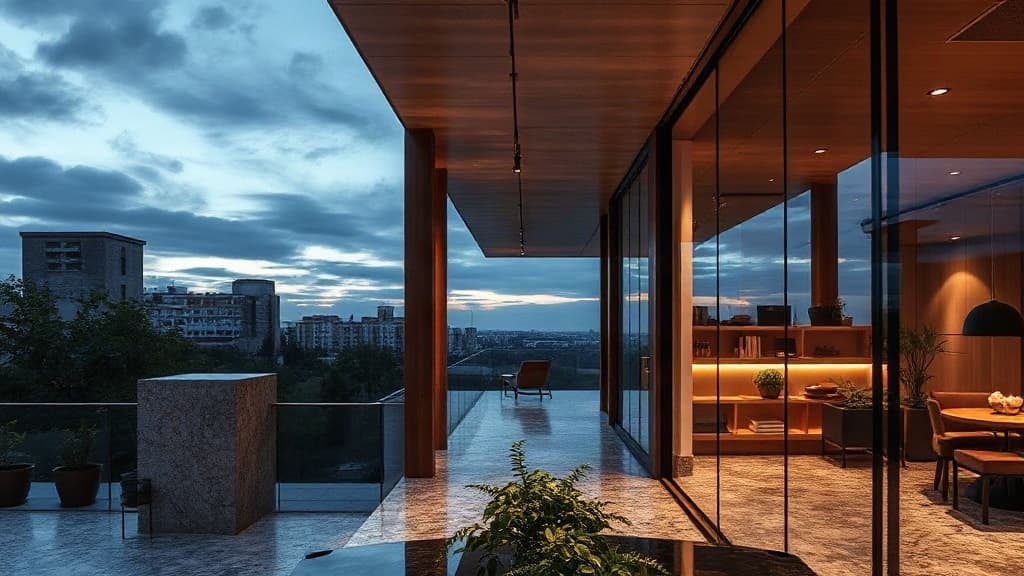
Sustainability in architecture often conjures images of high-tech glass panels and complex certifications. Yet, some of the most elegant and effective building solutions are not born in labs, but from millennia of human adaptation to local environments. Today's most inspiring projects look beyond mere efficiency, drawing profound inspiration from vernacular traditions to create spaces that are as culturally resonant as they are environmentally responsible. This is where true sustainability lives—in the dialogue between ancestral wisdom and contemporary needs.
Consider the revived art of passive cooling, a principle perfected in the ancient wind catchers (Badgirs) of Persia and the Mashrabiya screens of the Arab world. Modern architects are reinterpreting these concepts, not as mere aesthetic references, but as functional, climate-responsive building skins. In the arid Gulf, new civic buildings employ deeply recessed windows and terra-cotta brise-soleils that mimic traditional geometries, drastically reducing solar heat gain while creating captivating plays of light and shadow. These are not retro designs, but intelligent evolutions where the solution is literally baked into the fabric of the building.
The material palette is undergoing a similar renaissance, guided by the principle of 'bioregionalism'. A stunning hotel in Southeast Asia uses bamboo not as a quaint accent, but as a primary structural element, celebrating its incredible tensile strength and rapid renewability. In coastal communities, projects are incorporating panels made from recycled ocean plastics, turning a crisis into a resilient cladding material. Meanwhile, rammed earth walls, a technique found from Yemen to China, are being refined with modern stabilizers, offering sublime thermal mass and a tactile connection to the site itself. Each material tells a story of place, resourcefulness, and low embodied energy.
These real-world examples prove that sustainable building is not a restrictive checklist, but a boundless source of design inspiration. It challenges architects to be anthropologists, material scientists, and poets all at once. By looking to the ingenious ways different cultures have historically built with—not against—their environments, we find a deep well of solutions that offer beauty, identity, and resilience. The future of building may well be found in a thoughtful glance to the past. For further explorations of how design meets durability, see more Magazine stories.
Read Also
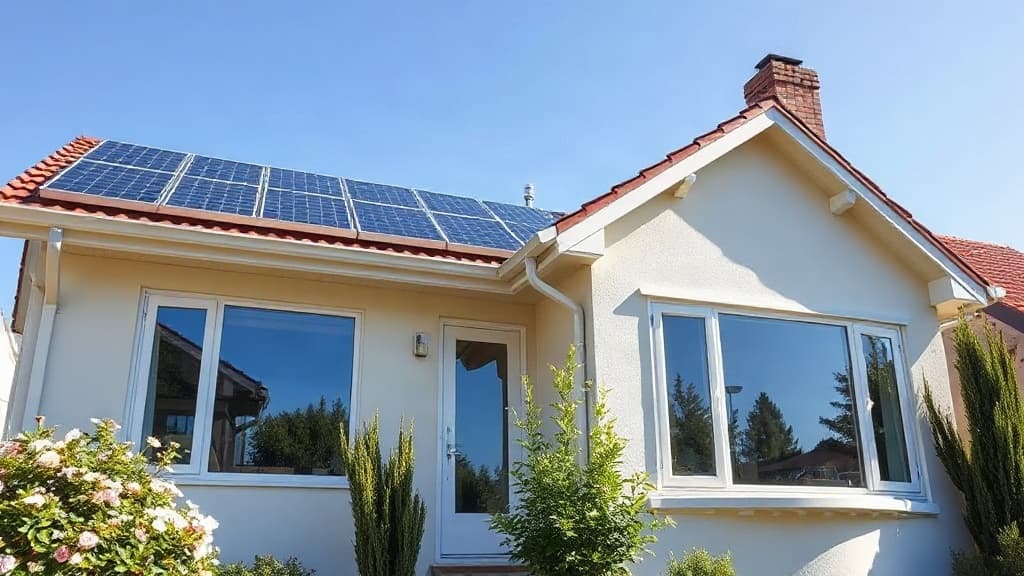
How to Make Your Home More Energy Efficient: 10 Practical Upgrades
Learn 10 specific, effective ways to reduce your energy bills, from sealing air leaks to choosing the right appliances.
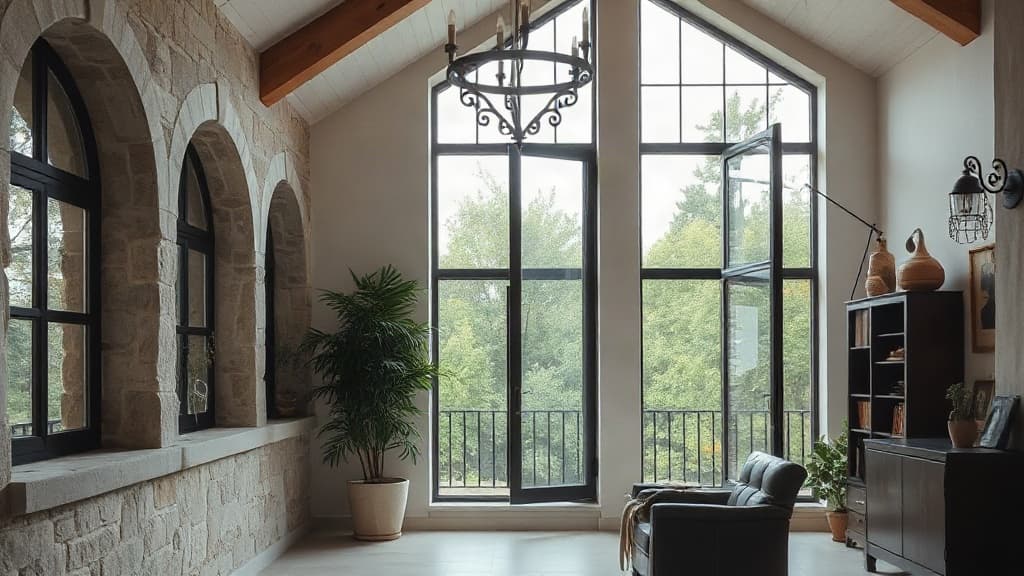
Your Sustainable Home Starts Here: Everyday Upgrades That Make a Difference
Sustainability isn't just a buzzword for new builds. Discover practical, actionable upgrades any homeowner can implement to enhance comfort, save money, and build a greener future.
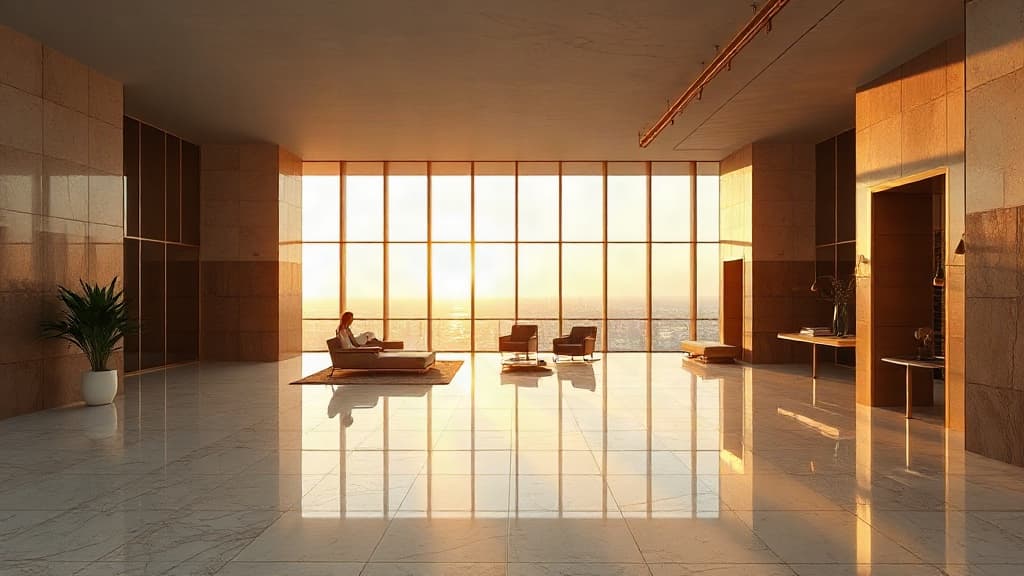
The Silent Dialogue of Architecture: How Materials, Light, and Detail Converse
Beyond efficiency, true sustainability emerges from the eloquent conversation between enduring materials, sculpted light, and meticulous detail, creating spaces that are both timeless and responsible.